
Your Premier IV Fluid Solutions Provider
- High production efficiency
- Stable product performance
- Simple and reliable operation
AIPAK Engineering IV Fluid Production Lines
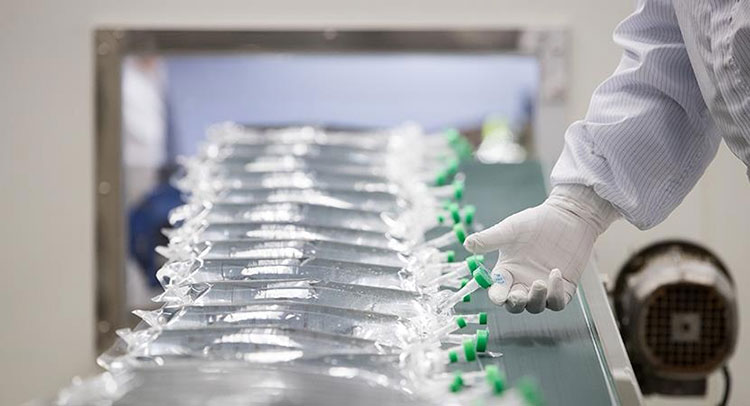
AIPAK Engineering IV fluid production line can automatically complete the processes such as film opening, printing, batch number printing, bag making, filling, automatic cap feeding, cap welding and bag discharge.The production line can be equipped with soft bag transmission, sterilization, leak detection, light inspection, packaging and other auxiliary equipment to complete the whole production line. It is mainly used for automatic filling of conventional infusion, special infusion, flushing / urinary, parenteral nutrition, dialysate, antibiotics, blood products, lipids and special drugs.The design, manufacturing, assembly and debugging of the whole IV fluid production line meet the requirements of the new GMP standards for drug production.Adopts hot plate stamping with single color, the whole production line can print production date, validity period, approval number at the same time.
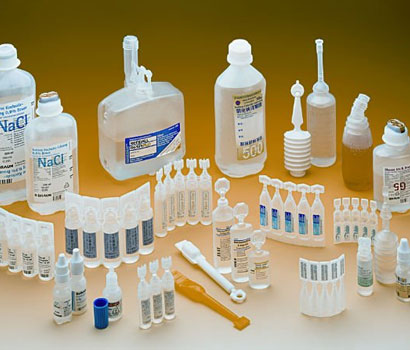
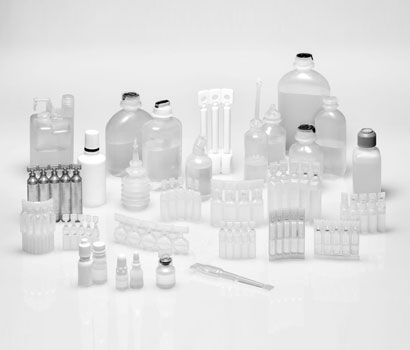
Non PVC Infusion Soft Bag IV Production Line
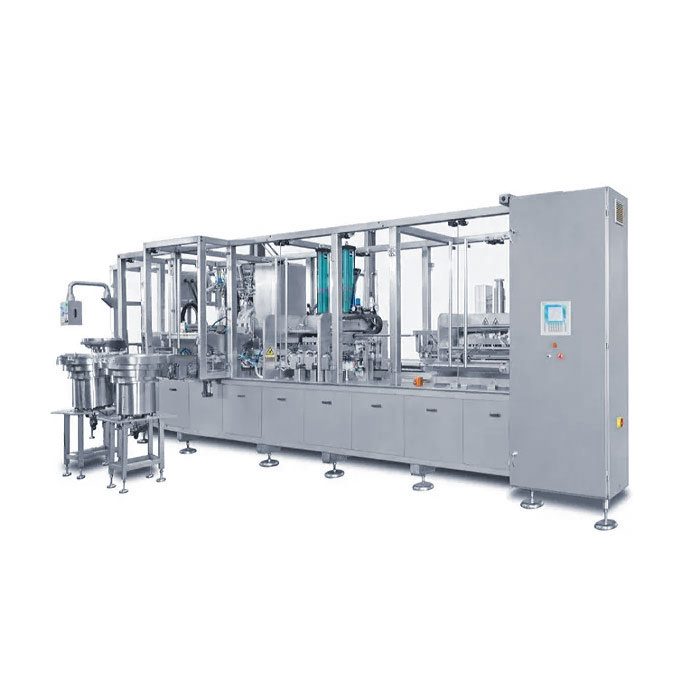
SRD(Single Hard Port) series Non PVC soft bag IV solution production line
AIPAK Engineering SRD(Single Hard Port) series Non PVC soft bag IV solution production line is used to automatically produce 1200-6000ml single hose Non-PVC soft bags. It is designed for Aiapk Engineering use according to the GMP and FDA guidelines.It can automatically complete the processes such as film opening, printing, batch number printing, bag making, filling, automatic cap feeding, cap welding and bag discharge; the production line can be equipped with soft bag transmission.
GMP standards for drug production
Filling Accuracy of soft bag filling machine: ≤ ±1%
Fully automatic control and monitor of production process
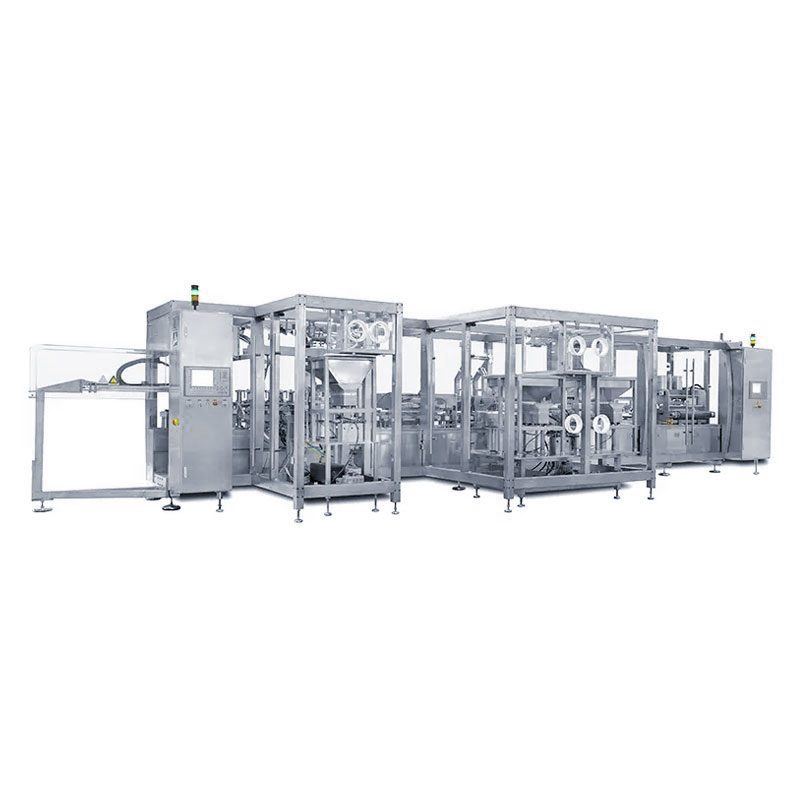
SRDS(Double Hard Port) series Non PVC soft bag IV solution production line
AIPAK Engineering SRDS(Double Hard Port) series Non PVC soft bag IV solution production line can automatically finish film feeding, printing, bag making, filling and sealing in one machine. It can be applied to 1000-5000ml Non-PVC soft bag for general solution, special solution, dialysis solution, parenteral nutrition, antibiotics, irrigation and disinfectant solution etc.Because of the different material and thickness between the boat type ports and the film, it adopts 2 pre-heating, 2 heat seal welding and 1 cool welding,to enable it to suit with different plastic material and film, bring the user more selection, higher welding quality, low leakage rate within 0.3‰.
Bag making high efficiency
Compact structure,reduced workshop
Low energy consumption
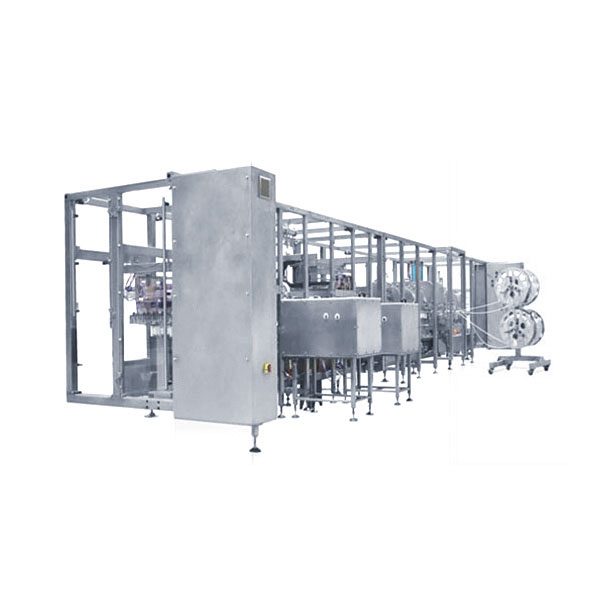
SRDRS(Double Soft Tube) series Non PVC soft bag IV solution production line
AIPAK Engineering SRDRS(Double Soft Tube) series Non PVC soft bag IV solution production line can automatically feed film to the printing and forming station, the film roll is fixed by easy operated cylinder clamps. The fixation doesn't need any tools and manual labor.Adopts peripheral welding with bilaterally open moulds structure, up and down moulds are opened bilaterally and equipped with cooling plate, to heat both moulds to the same temperature up to 140ºC and above. No film over-baked during bag forming or machine stopping. Improve the product welding quality and save more film.
Short debugging time
Small area occupation
Easy operation&clean
The Buyer's Guide
How to Select an IV Fluid Production Line, Design a Manufacturing Plant and Plan the Required Equipment?
Today, IV fluid solution is considered as safe and frequently used in clinical and hospital practice for all group age populations. However, it is required with high skills, certifications, and proper professionals to implement them.
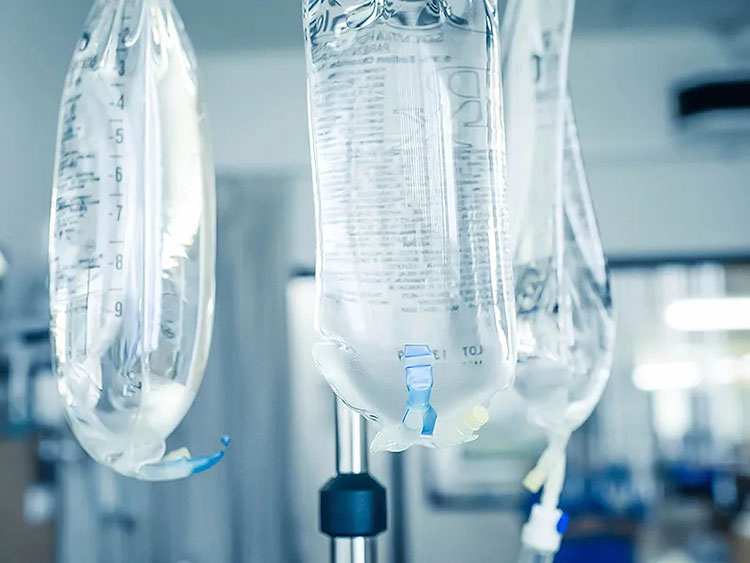
IV Fluid Solution- Picture Courtesy: Stepward
But what is actually an IV fluid solution? And what should you know if you’re associated with this field?
In this blog, we are going to discuss IV fluid solutions, their types, significance, and relevant details.
1. What Is an IV Fluid Production Line?
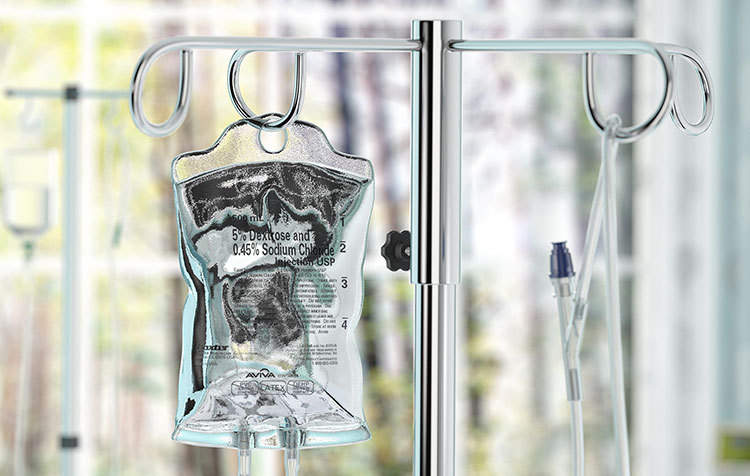
IV Fluid Solution- 3d Molier International
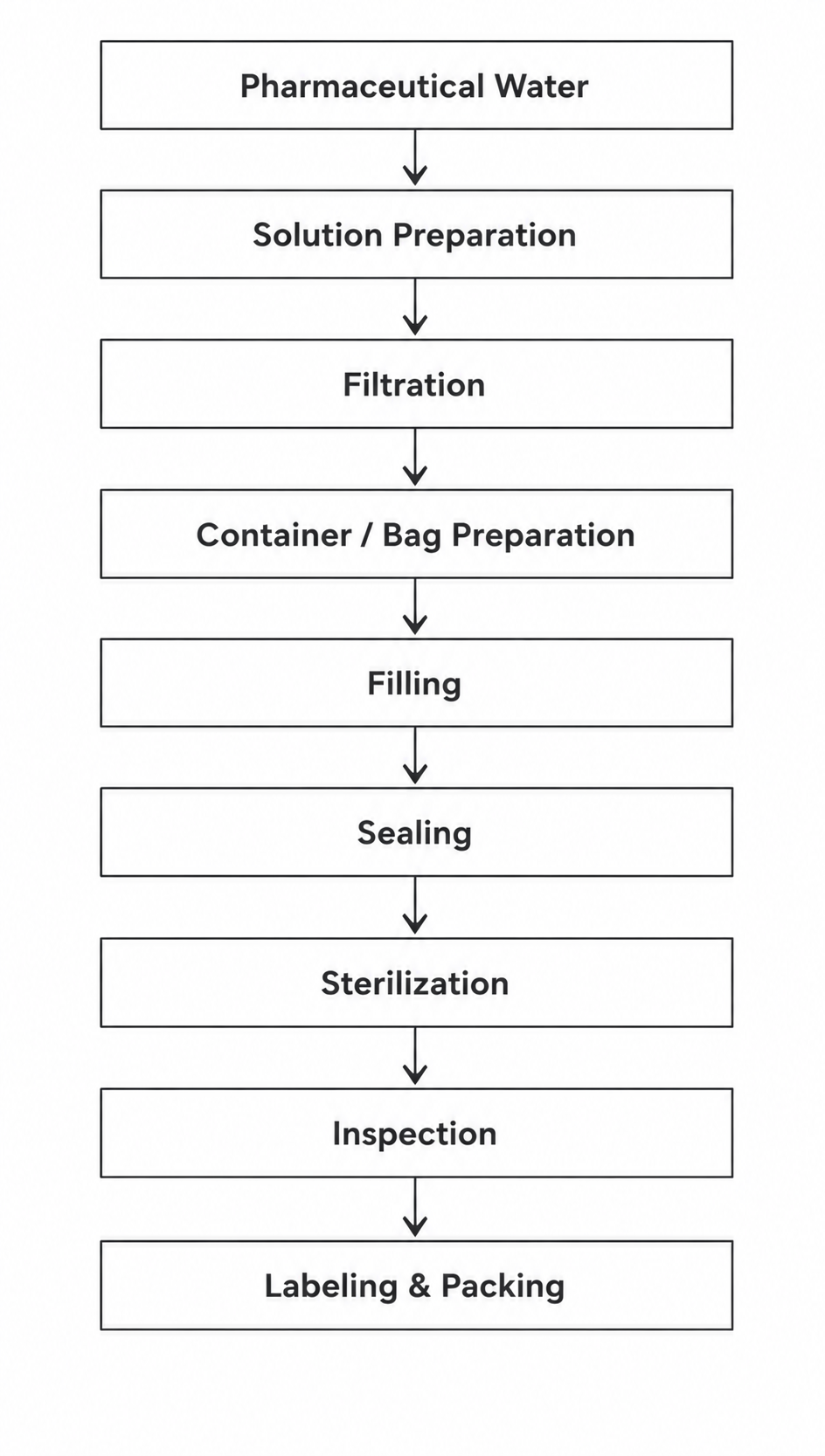
An IV fluid production line is an integrated pharmaceutical manufacturing system used to prepare, filter, fill, seal, sterilize, inspect and package large-volume parenteral (LVP) solutions.
Depending on the product formulation, container type and required production capacity, an IV fluid manufacturing line may include pharmaceutical water treatment, solution preparation, filtration, container or bag preparation, filling and sealing, terminal sterilization, visual inspection, leak detection and secondary packaging.
A complete project may also include cleanroom and HVAC systems, utility systems, process piping, CIP/SIP systems, quality control equipment and pharmaceutical validation documentation.
The selection of an IV fluid production line should therefore be based on the target products, container format, production capacity, manufacturing process, regulatory requirements and the required level of automation.
2. What Types of IV Fluid Production Lines Are Available?
IV fluid products can be manufactured using different container and processing technologies. The most suitable production line depends on the product formulation, container format, target capacity, sterilization strategy and project requirements.
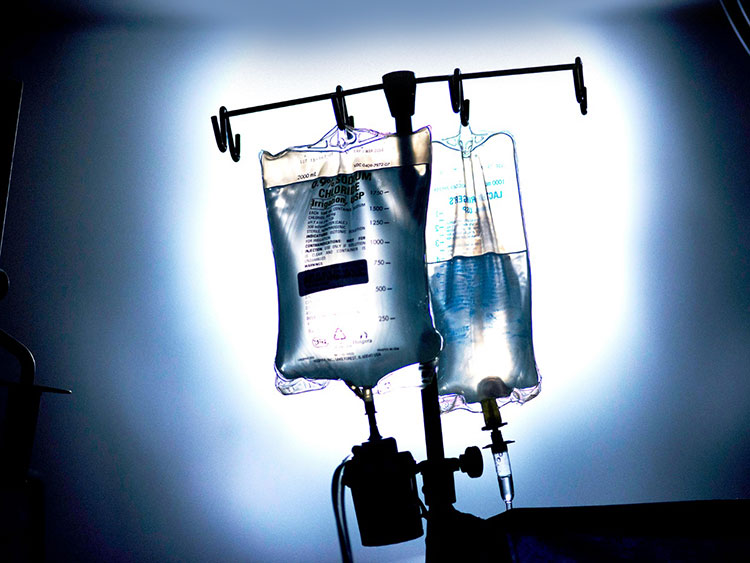
Common IV fluid production technologies include non-PVC soft bag lines, plastic bottle lines, glass bottle lines, BFS systems and multi-chamber bag systems.
| Production Technology | Typical Container | Main Characteristics | Suitable Project |
| Non-PVC Soft Bag Line | Non-PVC flexible bag | Lightweight and flexible packaging format | Modern LVP production |
| Plastic Bottle Line | PP plastic bottle | Rigid container format | Large-volume parenterals |
| Glass Bottle Line | Glass bottle | Established packaging technology | Traditional LVP production |
| BFS Line | Blow-formed plastic container | Container forming and filling integrated in one process | Sterile liquid production |
3.What Types of IV Fluids Can Be Manufactured?
IV fluid manufacturing projects may cover a range of formulations, including sodium chloride solutions, dextrose solutions, Ringer’s lactate solutions and other large-volume parenteral formulations.
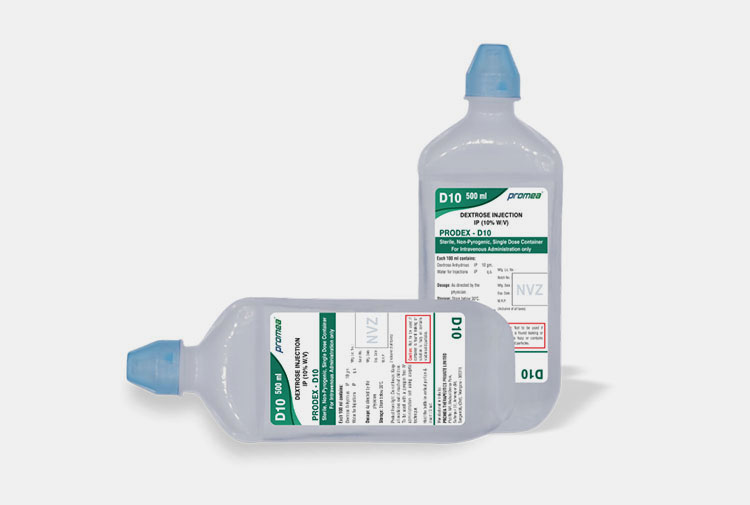
The formulation directly affects the preparation process, material selection, filtration requirements, filling process, sterilization strategy and quality control requirements.
For this reason, an IV fluid production line should be designed around the customer's target product portfolio rather than selected only according to the filling capacity.
Common IV Fluid Products
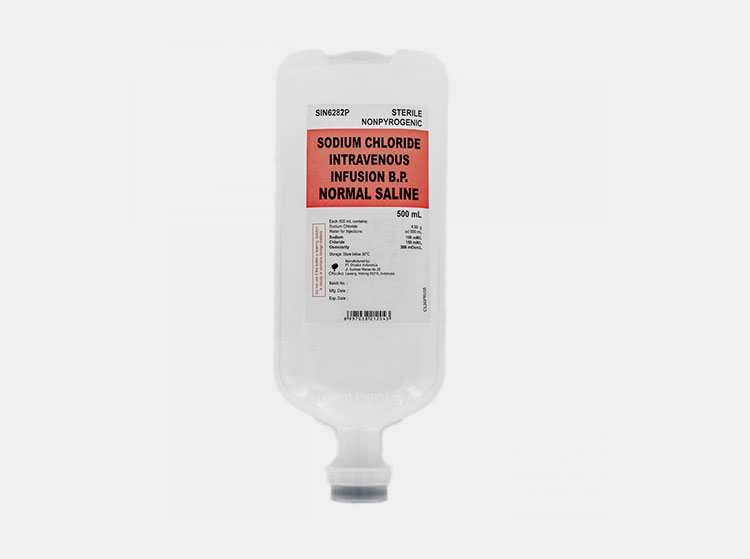
Normal Saline
Sodium chloride solution commonly manufactured in large-volume parenteral formats.
Dextrose Solution
Dextrose-based solutions used as parenteral products in different concentrations.
Ringer’s Lactate Solution
A multi-component electrolyte solution requiring controlled preparation and mixing.
Other LVP Formulations
Depending on the market and approved product portfolio, an IV fluid plant may manufacture other parenteral solutions.
The final formulation, manufacturing process and quality specifications must be established according to the approved product requirements and applicable regulatory standards.
4. What IV Fluid Bag Sizes and Production Capacities Are Available?
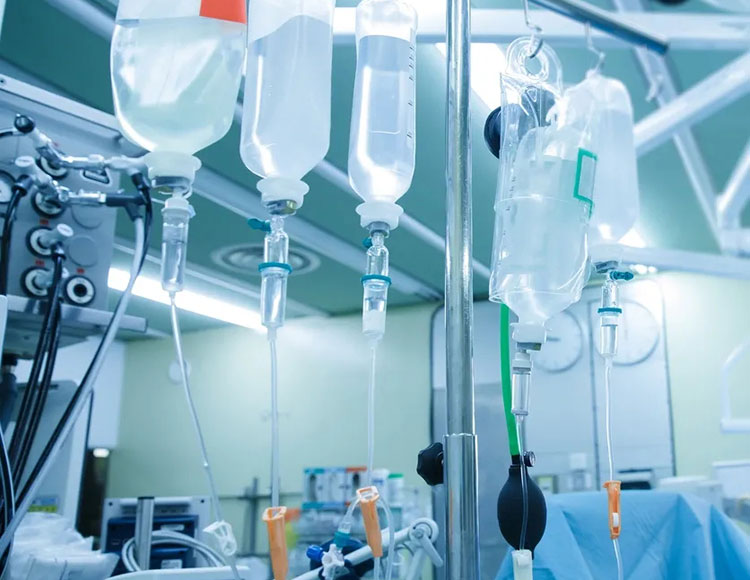
IV fluid solution Volume Ranges- Picture Courtesy: dipideomas
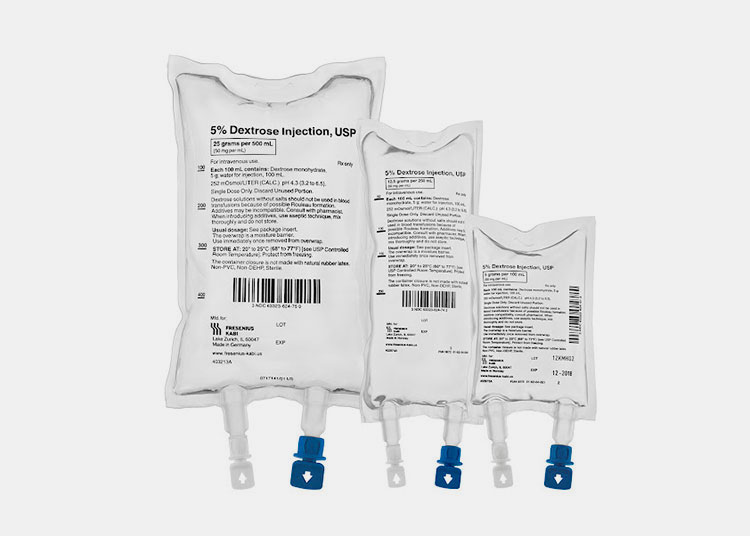
IV fluid products are commonly supplied in different fill volumes according to the product formulation, market requirements and intended use.
Typical commercial fill volumes may include 100 mL, 250 mL, 500 mL and 1000 mL formats, although the actual product range depends on the target market and approved product portfolio.
For an IV fluid production project, container size should be considered together with production capacity. A line designed for multiple fill volumes may require appropriate format-change components, filling system configuration and packaging adjustments.
| Fill Volume | Typical Use | Production Consideration |
| 100 mL | Smaller-volume IV products | Format change and filling accuracy |
| 250 mL | Selected IV formulations | Flexible production planning |
| 500 mL | Common LVP format | High-volume production |
| 1000 mL | Large-volume IV products | High-capacity filling and packaging |
Need a production capacity calculation? Contact our engineering team with your target fill volumes and annual output requirements.
5. What Are the Applications of IV Fluid Manufacturing?
IV fluid manufacturing supports pharmaceutical production for a wide range of large-volume parenteral products used in hospitals, clinics and other healthcare settings.
Common product categories include hydration solutions, electrolyte solutions, dextrose solutions and other approved parenteral formulations.
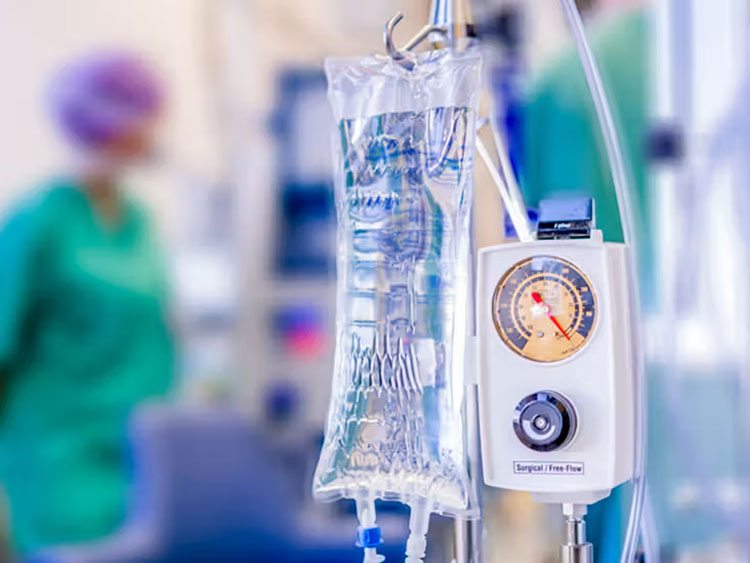
From a manufacturing perspective, the key consideration is not only the intended application of the final product, but also the required formulation, fill volume, container format, sterilization method, production capacity and regulatory requirements.
Typical Product Categories
- Hydration Solutions
- Electrolyte Solutions
- Dextrose Solutions
- Parenteral Nutrition Products
- Irrigation Solutions
- Other LVP Products
6.What Equipment Is Included in an IV Fluid Production Line?
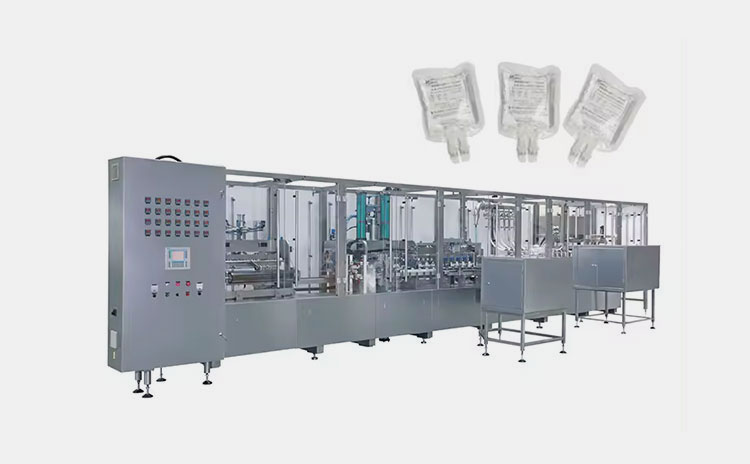
A complete IV fluid production line is normally composed of multiple interconnected systems rather than a single filling machine.
Depending on the project scope, an integrated IV fluid manufacturing plant may include pharmaceutical water treatment, solution preparation, filtration, container or bag preparation, filling and sealing, sterilization, inspection, labeling and secondary packaging.
A turnkey project may also include cleanroom and HVAC systems, utility systems, process piping, CIP/SIP, electrical and control systems, and validation documentation.
| Production Section | Typical Equipment |
| Water Treatment | RO, EDI, WFI system, storage and distribution |
| Solution Preparation | Preparation tanks, mixing system, weighing system |
| Filtration | Process filtration system |
| Bag / Bottle Preparation | Bag forming or bottle forming system |
| Filling & Sealing | Filling and sealing machine |
| Sterilization | Pharmaceutical sterilizer / autoclave |
| Inspection | Visual inspection, leak detection |
| Labeling | Labeling / coding system |
| Secondary Packaging | Cartoning, case packing, shrink wrapping |
| Engineering | Cleanroom, HVAC, utilities, process piping |
| Validation | DQ, IQ, OQ, PQ, FAT, SAT documentation |
7.What Quality and Sterility Requirements Should Be Considered?
IV fluid products are sterile pharmaceutical products, so manufacturing systems must be designed to control microbial contamination, particulate contamination, product quality and container integrity.
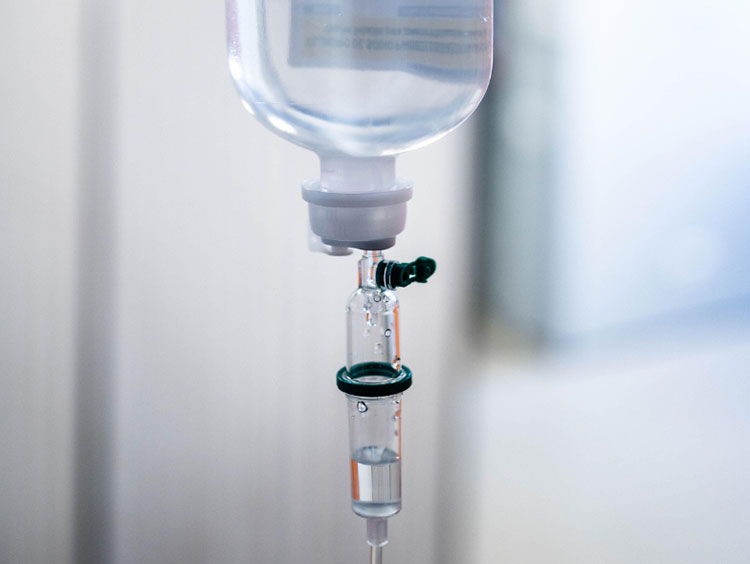
Depending on the product and manufacturing process, the project may require controlled pharmaceutical water, validated filtration, controlled preparation conditions, validated sterilization processes, container closure integrity controls and appropriate quality control testing.
The specific controls and acceptance criteria should be defined according to the approved product specifications, manufacturing process and applicable regulatory requirements.
Key Quality Considerations
- Sterility
- Bacterial Endotoxins
- pH
- Assay / Concentration
- Fill Volume
- Particulate Matter
- Container Closure Integrity
- Seal Integrity
- Stability
- Appearance
8. How Is IV Fluid Prepared in a Pharmaceutical Manufacturing Plant?
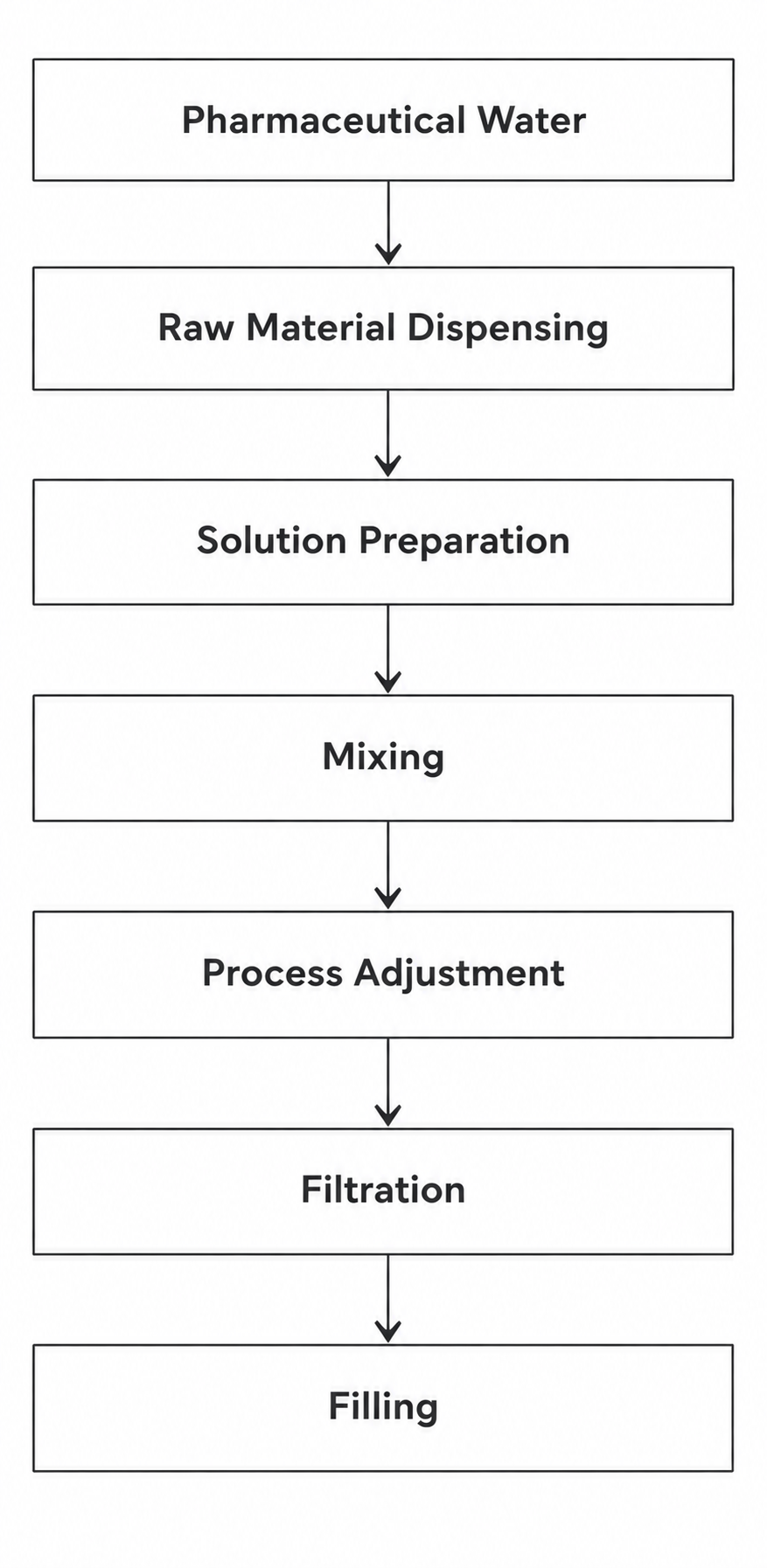
IV fluid preparation is a controlled pharmaceutical process that typically involves pharmaceutical water, raw material dispensing, dissolution and mixing, process adjustment, filtration and transfer to the filling system.
The exact process depends on the formulation and the approved manufacturing procedure.
Step 1 — Pharmaceutical Water
Pharmaceutical-grade water is prepared and distributed according to the requirements of the product and manufacturing process.
Step 2 — Raw Material Dispensing
The required raw materials are weighed and dispensed according to the approved formulation.
Step 3 — Solution Preparation
Raw materials are added to the preparation tank and mixed under controlled process conditions until the required solution is obtained.
Step 4 — Process Adjustment
Where required by the formulation, parameters such as pH, concentration or other critical process attributes are adjusted within the approved process range.
Step 5 — Filtration
The prepared solution passes through the specified filtration system before being transferred to the filling stage.
Step 6 — Filling
The prepared product is transferred to the filling system under controlled manufacturing conditions.
9. How Are IV Fluid Bags Manufactured and Filled?
IV fluid soft bag production typically involves container material preparation, film forming or feeding, bag forming, port or connector integration, filling, sealing, sterilization, inspection and packaging.
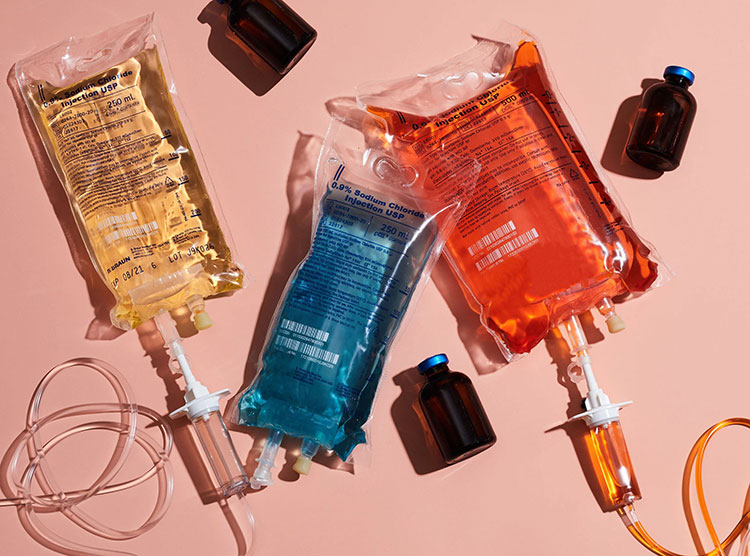
The exact process depends on the selected bag technology and whether bag production and filling are integrated into the same production line.
Step 1 — Film Preparation
The selected pharmaceutical-grade film is prepared and supplied to the bag-forming system according to the approved container specification.
Step 2 — Bag Forming
The film is formed and heat-sealed to create the required bag shape and dimensions.
Step 3 — Port / Connector Integration
Required ports, tubes or connectors are integrated into the bag according to the selected container design.
Step 4 — Filling
The prepared IV solution is accurately filled into the bag.
Step 5 — Sealing
The bag is sealed to provide the required container closure integrity.
Step 6 — Sterilization
The filled product undergoes the specified validated sterilization process where terminal sterilization is applicable.
Step 7 — Inspection
Bags are inspected for appearance, fill volume, seal integrity and other defined quality requirements.
Step 8 — Packaging
Finished bags proceed to labeling and secondary packaging.
10. What Quality Control Tests Are Required for IV Fluid Manufacturing?
Quality control for IV fluid products covers the product itself, the manufacturing process and the final container. The exact test program depends on the formulation, dosage form, approved specifications and applicable regulatory requirements.
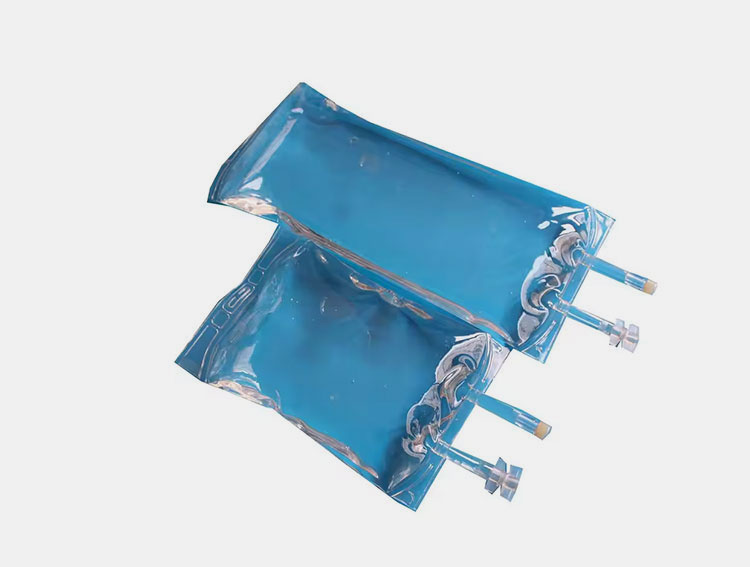
Typical quality control considerations may include:
| Test / Control | Purpose |
| Sterility | Verify microbiological sterility |
| Bacterial Endotoxins | Control endotoxin levels |
| pH | Confirm the specified pH range |
| Assay / Concentration | Verify formulation strength |
| Fill Volume | Verify the required product volume |
| Particulate Matter | Control visible and sub-visible particles as applicable |
| Container Closure Integrity | Verify package integrity |
| Seal Integrity | Check the integrity of bag seals |
| Stability | Evaluate product stability over the defined storage period |
11. What Should Be Considered When Setting Up an IV Fluid Manufacturing Plant?
Setting up an IV fluid manufacturing plant requires more than purchasing a filling machine. The project normally involves product definition, capacity planning, process design, pharmaceutical water, cleanroom and HVAC, production equipment, sterilization, quality control, utilities, validation and regulatory preparation.
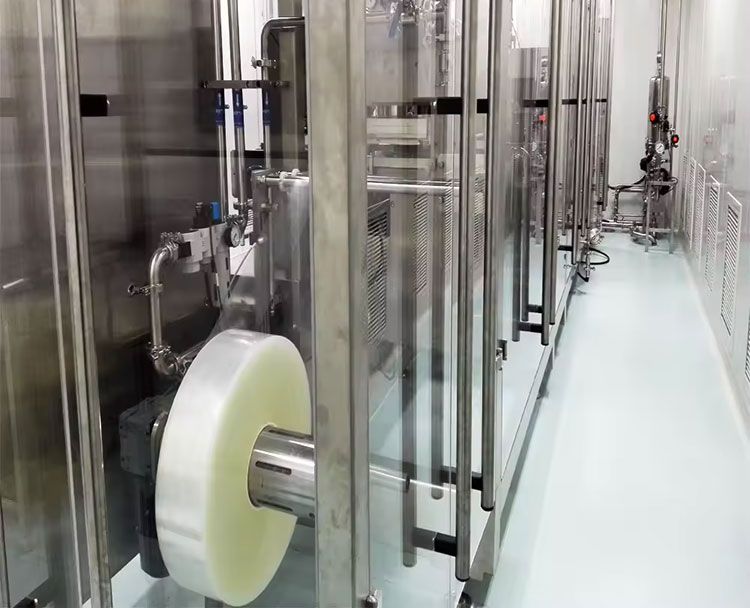
The key factors should be reviewed before equipment selection and plant construction.
11.1 Define the Product Portfolio
Determine which IV fluid formulations, fill volumes and container formats the plant will manufacture.
11.2 Define Annual Production Capacity
Establish the required annual output and peak production requirements before selecting the line speed and equipment configuration.
11.3 Select the Container Technology
Choose between non-PVC soft bags, plastic bottles, glass bottles, BFS or other approved container technologies based on the product portfolio and market requirements.
11.4 Design the Pharmaceutical Water System
The project should define the required pharmaceutical water generation, storage and distribution systems according to the product and process requirements.
11.5 Design the Cleanroom and HVAC
Cleanroom zoning, HVAC, pressure cascade, personnel flow, material flow and environmental control should be incorporated into the plant design according to the applicable manufacturing requirements.
11.6 Select the Main Production Equipment
The equipment configuration should cover preparation, filtration, filling, sealing, sterilization, inspection and packaging.
11.7 Plan Utilities
Utility requirements may include purified water or WFI, clean steam, compressed air, electrical power, chilled water and other project-specific services.
11.8 Plan Validation Documentation
The project should define the required engineering and qualification documentation, including URS review, DQ, FAT, SAT, IQ, OQ and PQ where applicable.
11.9 Plan Regulatory Requirements
Regulatory expectations should be identified early so that facility design, equipment selection, documentation and validation activities can be aligned with the target market.
11.10 Plan Training and Start-Up
Operator training, maintenance training, commissioning and start-up support should be included in the project execution plan.
For a turnkey project, these requirements should be evaluated as one integrated system rather than as isolated equipment purchases.
12. How Much Does an IV Fluid Production Line Cost?
The cost of an IV fluid production line depends on the project scope and cannot be determined by the filling machine alone.
Major cost factors may include:
- Production capacity
- Container technology
- Automation level
- Preparation system
- Pharmaceutical water system
- Sterilization system
- Cleanroom and HVAC
- Inspection and packaging equipment
- Utilities
- Validation documentation
- Installation and commissioning
- Turnkey EPC scope
For this reason, a project-based quotation is normally more meaningful than a standard machine price.
To estimate the investment for your project, provide your target products, fill volumes, annual capacity and target market requirements.
13. What Equipment Is Required for a Complete IV Fluid Manufacturing Plant?
A complete IV fluid manufacturing plant normally includes production equipment as well as pharmaceutical utilities and facility systems.
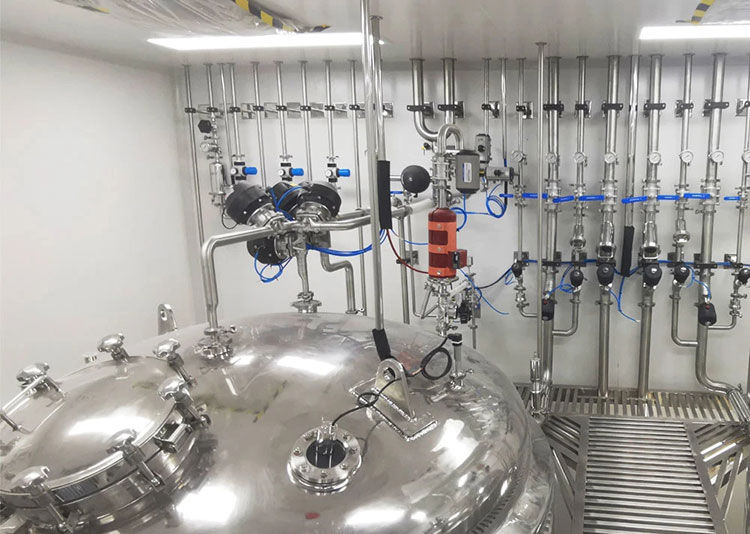
Depending on the project scope, the plant may include:
Production
- Solution preparation
- Filtration
- Filling and sealing
- Sterilization
- Inspection
- Packaging
Utilities
- Pharmaceutical water
- Clean steam
- Compressed air
- HVAC
- Electrical systems
Facility
- Cleanroom
- Material flow
- Personnel flow
- Process piping
- Storage areas
Validation
- DQ
- FAT
- SAT
- IQ
- OQ
- PQ
A turnkey IV fluid project should be designed as an integrated process, utility and facility system.
14. How Long Does It Take to Set Up an IV Fluid Manufacturing Plant?
The project timeline for an IV fluid manufacturing plant depends on the project scope, production capacity, equipment configuration, facility construction, regulatory requirements and validation scope.
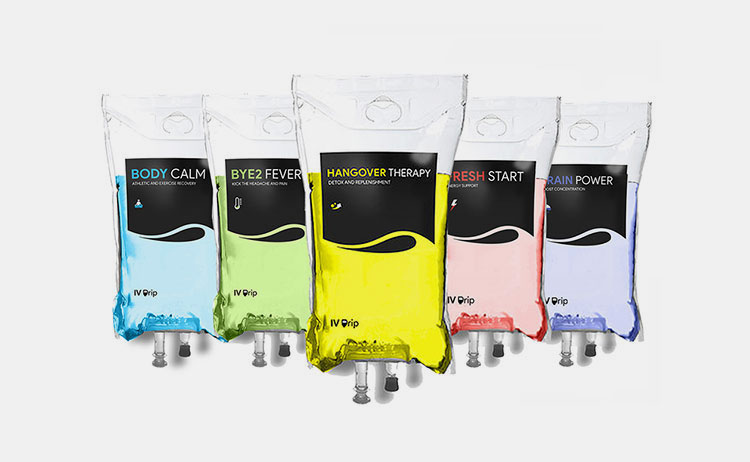
A typical project may involve:
- Product and capacity definition
- URS preparation and engineering design
- Equipment manufacturing
- Factory Acceptance Test (FAT)
- Shipment and site installation
- Commissioning
- Site Acceptance Test (SAT)
- Qualification and validation
- Operator training
- Production start-up
The actual schedule should be developed project by project after the production scope and engineering requirements are defined.
15. What Validation Documents Are Required for an IV Fluid Production Line?
Pharmaceutical equipment projects may require engineering and qualification documentation throughout the project lifecycle.
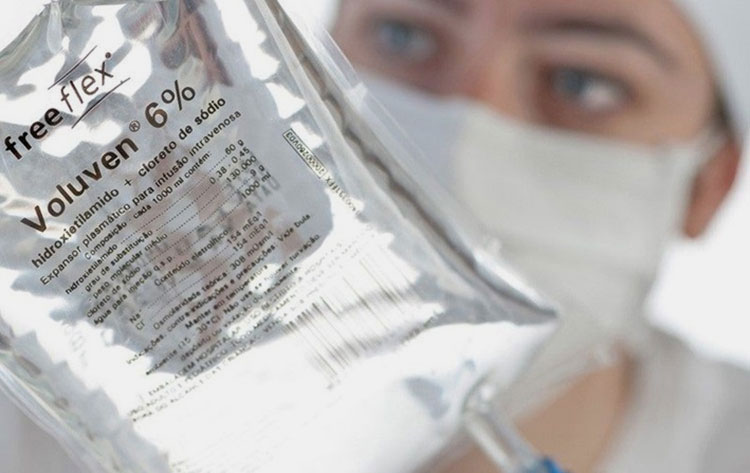
Depending on the project scope, the documentation package may include:
Design & Engineering
- URS review
- General arrangement drawings
- P&ID
- Electrical drawings
- Equipment specifications
- Utility requirements
Qualification & Testing
- DQ
- FAT
- SAT
- IQ
- OQ
- PQ
Operation & Maintenance
- Operation manuals
- Maintenance manuals
- Spare parts lists
- Training documentation
Quality Documentation
- Material certificates
- Calibration certificates
- Inspection records
The exact document set should be defined according to the equipment, project requirements, validation strategy and applicable regulatory expectations.
Conclusion
Setting up an IV fluid manufacturing plant requires careful planning of the production process, equipment, pharmaceutical water, sterilization, packaging and validation requirements. AIPAK Engineering provides integrated solutions for IV fluid production projects, from equipment selection and process design to installation, commissioning and validation support. Contact our engineering team to discuss your IV fluid production line requirements and project configuration.
CONTACT US
Tell us your raw material and project budget to get quotations within 24 hours.
WhatsApp:+86 181 6426 8586
Tell us your material or budget, we'll reply you ASAP within 24 hours