


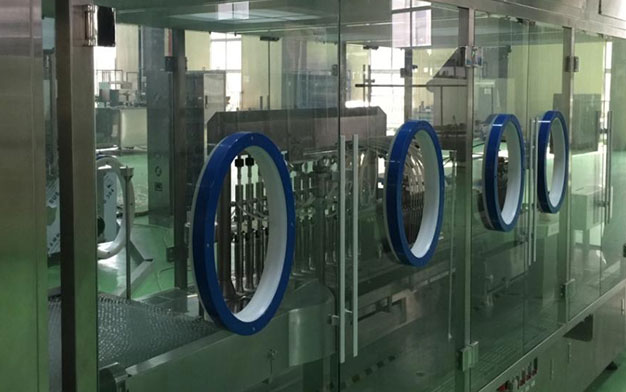
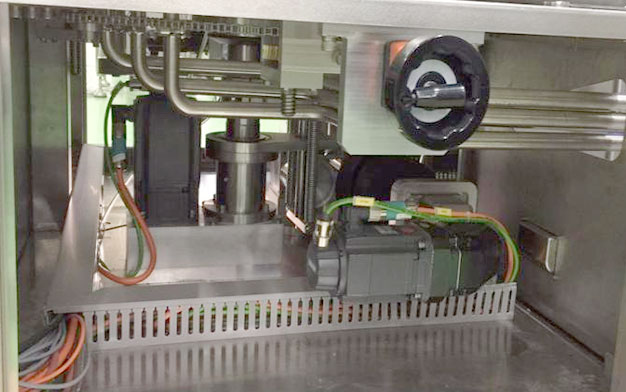
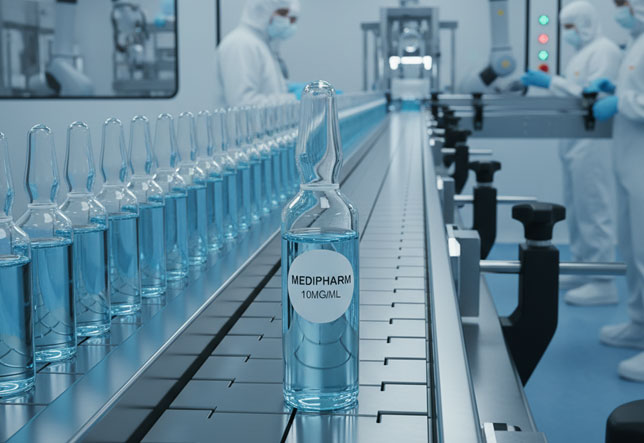
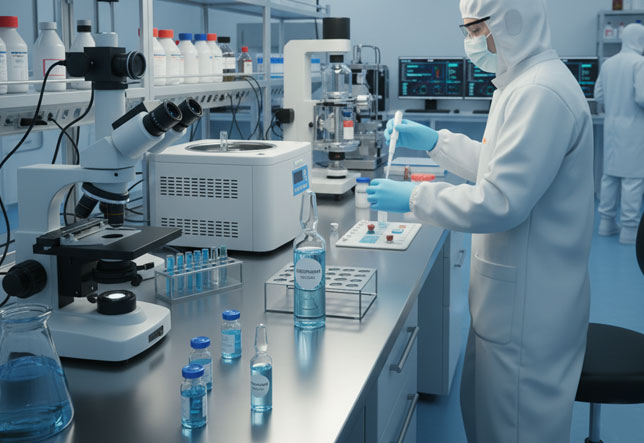


Download Our Latest Catalogue
Discover our full range of pharmaceutical liquid solutions. Download the catalogue to explore specifications, features, and applications.
- Full product range
- Detailed technical specs
- Industry applications

Discover our full range of solutions. Enter your email to get the catalogue now!
The Buyer's Guide
Ampoule Filling Line: The Complete FAQ Guide In 2025
Why ampoules are so special in the medical sector?
This is the question that knocks everyone’s mind. Isn’t it? A cost-effective and precise concentration at individual servings makes it popular among all of you.
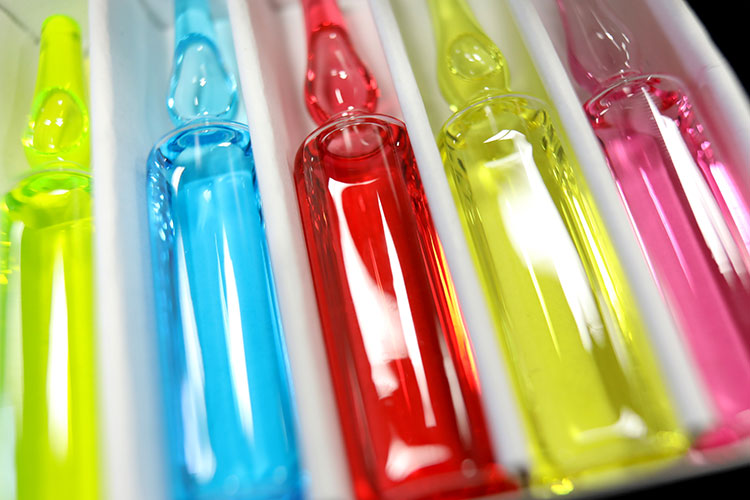
How they are prepared? Nevertheless, the preparation ampoule is passed by a series of different equipment known as the ampoule filling line. Today, we have designed a blog related to ampoule filling line.
Before purchasing or adding any one of the units, we would like to go through this blog to avail useful points that you shouldn’t miss. Come on and read this informative article.
1.What Is An Ampoule Filling Line?
An ampoule filling line is an integrated pharmaceutical production system designed to wash, depyrogenate, fill and seal glass ampoules for sterile liquid products.
A complete line may include an ampoule washing machine, hot air depyrogenation tunnel, filling and sealing machine, controlled filling environment and automated transport systems.
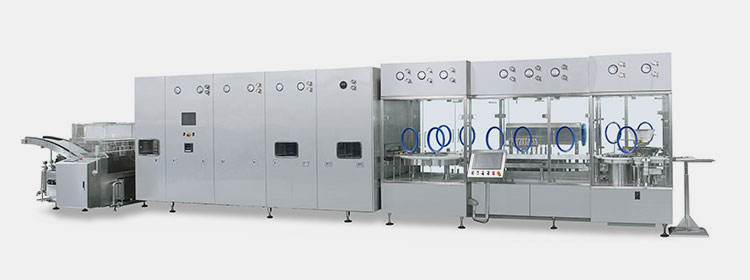
AIPAK ENGINEERING Ampoule Filling line
Depending on the configuration, AIPAK’s ampoule filling line is designed for 1–10 mL ampoules, with high-speed configurations supporting up to 600 ampoules per minute based on 2 mL filling conditions.
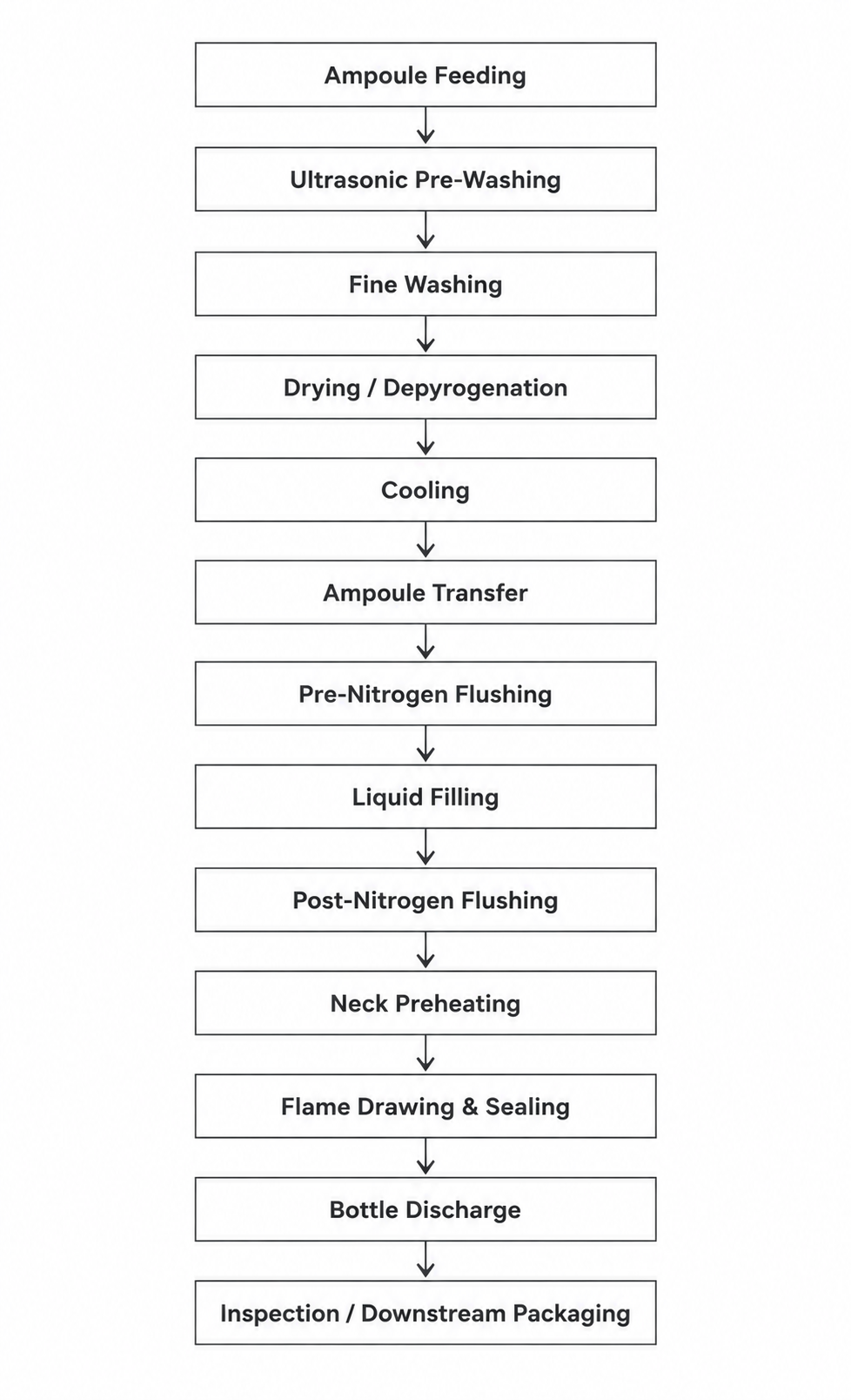
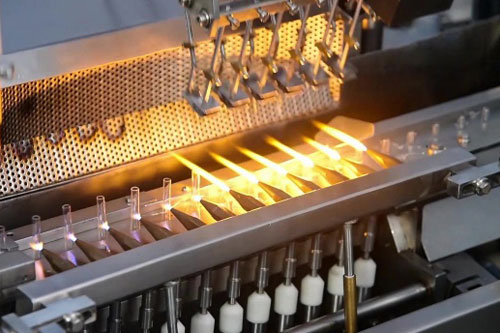
The filling process can include pre-nitrogen flushing, liquid filling, post-nitrogen flushing, ampoule neck preheating and flame-based drawing and sealing.
2.Why Is an Ampoule Filling Line Important for Sterile Pharmaceutical Manufacturing?
1. Integrated Process
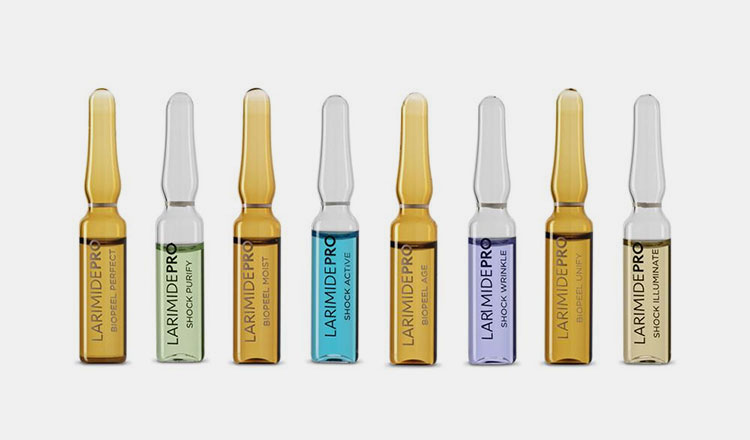
Washing, depyrogenation, filling and sealing can be integrated into one continuous production system.
2. High-Speed Production
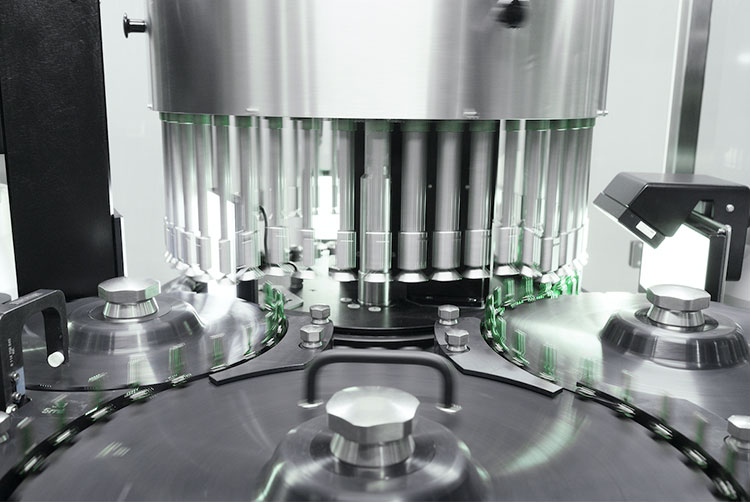
The referenced configuration supports up to 600 ampoules per minute based on 2 mL filling conditions.
3. Controlled Filling Accuracy
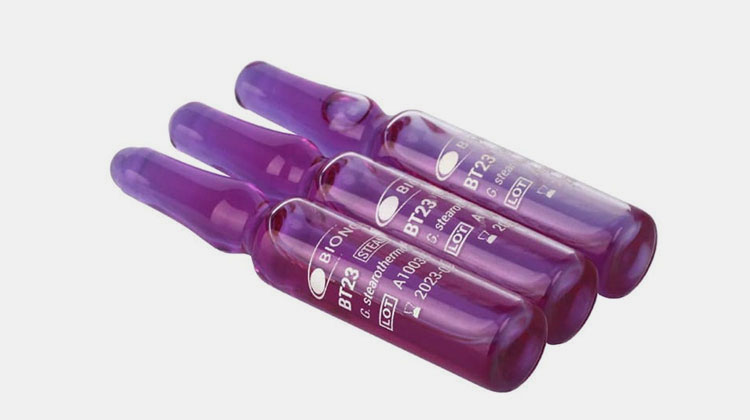
The technical specification states a filling volume deviation of ≤±1% under the specified test condition.
4. Nitrogen Flushing
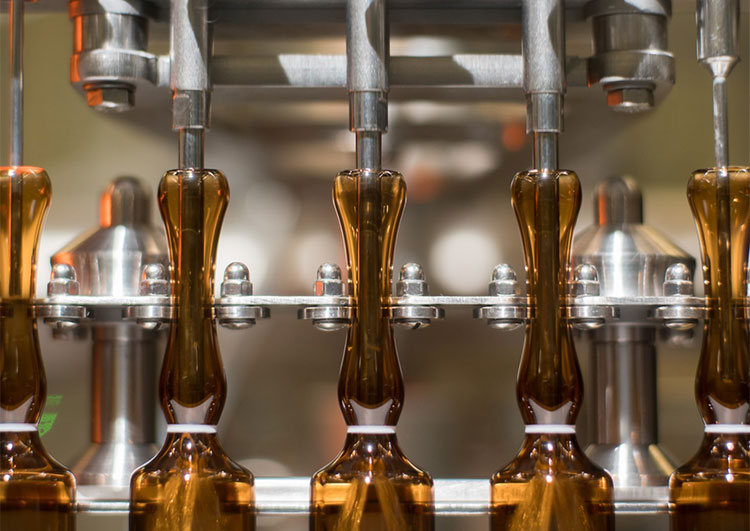
Pre- and post-filling nitrogen flushing can be configured to support the required product processing conditions.
5. Controlled Sterile Filling Environment
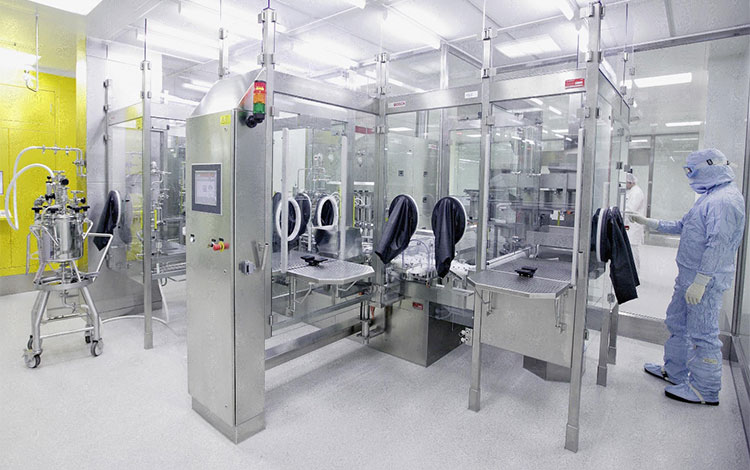
The filling machine can be equipped with an ORABS system designed to provide a controlled Class A filling environment.
3.Where Are Ampoule Filling Lines Used?
Pharmaceutical Manufacturing
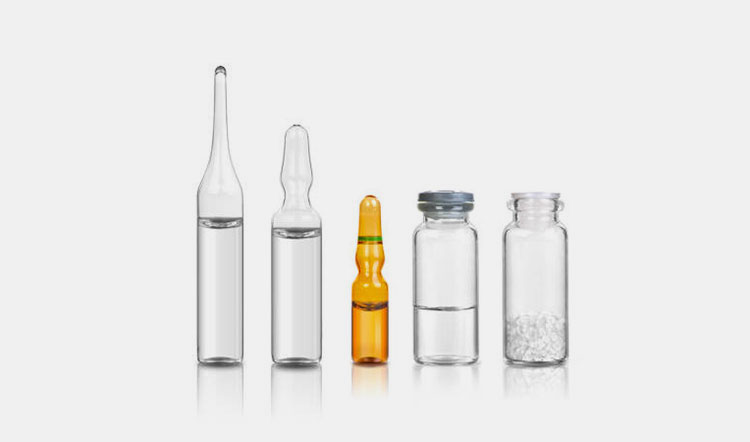
Ampoule filling lines are widely used for sterile liquid pharmaceutical products supplied in single-dose glass ampoules.
Injectable Products
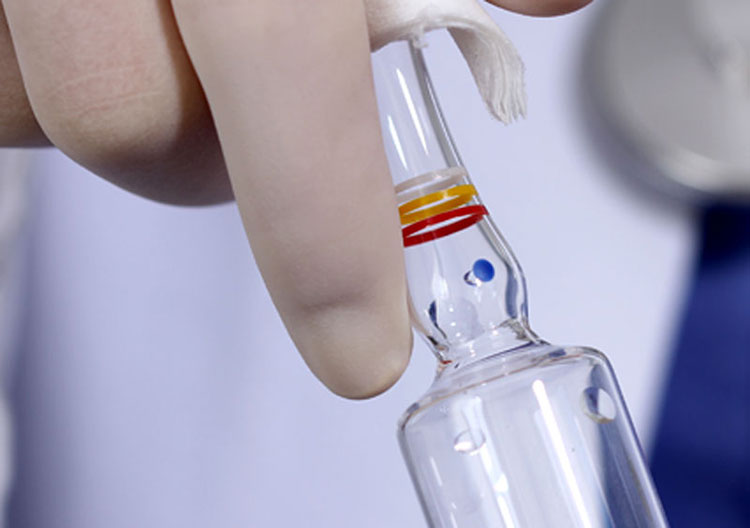
Depending on the product formulation and approved process, ampoule lines can be configured for selected liquid injectable products.
Diagnostic and Other Sterile Liquid Applications
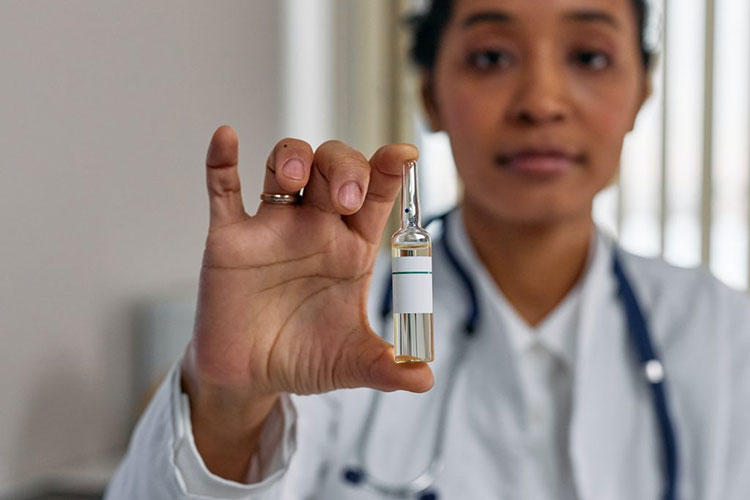
Ampoule filling technology may also be applied to selected diagnostic or specialty liquid products where the container format and process requirements are appropriate.
For pharmaceutical projects, the filling process, sterile environment, material compatibility and validation strategy should be defined according to the specific product and regulatory requirements.
4.What Equipment Is Included in an Ampoule Filling Line?
| Equipment | Main Function | AIPAK Configuration |
| Vertical Ampoule Washing Machine | Cleaning glass ampoules | 120 heads |
| Depyrogenation Tunnel | Drying, sterilization and depyrogenation | 900 mm effective width |
| Ampoule Filling & Sealing Machine | Filling and flame sealing | 16 filling nozzles |
| ORABS / Laminar Flow System | Controlled sterile filling environment | One-way airflow |
| Nitrogen System | Pre- and post-filling flushing | Process-dependent |
| Transport System | Automatic transfer between stations | Servo-controlled |
| Control System | Process control and data management | Siemens PLC/HMI |
| Online Monitoring | Environmental/process monitoring | Optional/configured |
The composition of the ampoule filling line is mentioned below:
Ampoule Washing System
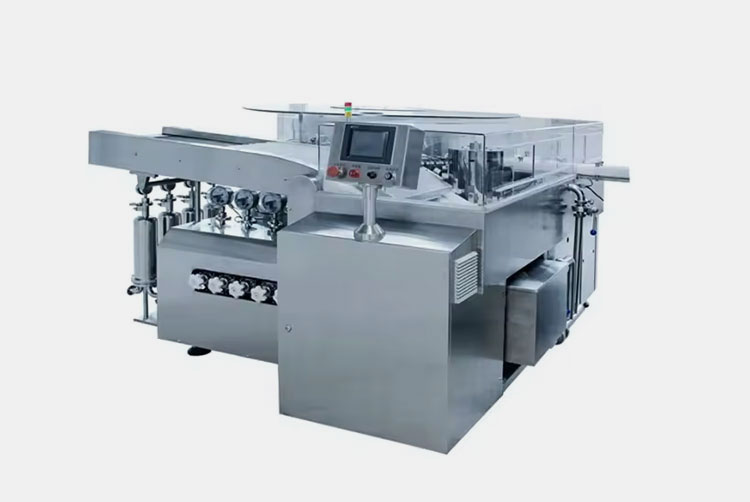
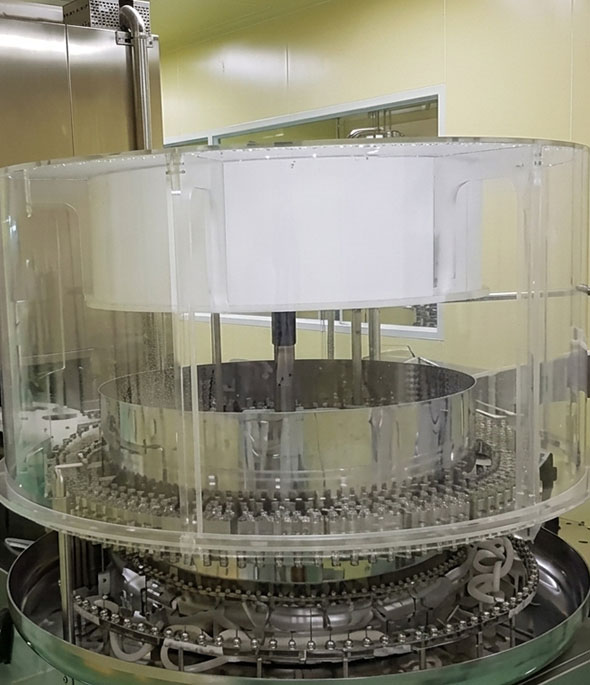
AIPAK Engineering ampoule washing machine
The washing system uses ultrasonic pre-cleaning followed by alternating water and air flushing. The reference configuration includes 120 cleaning needles and a circulating water system for process water recovery. The technical specification states a clarity pass rate of ≥99.9% and a bottle breakage rate of ≤0.3%.
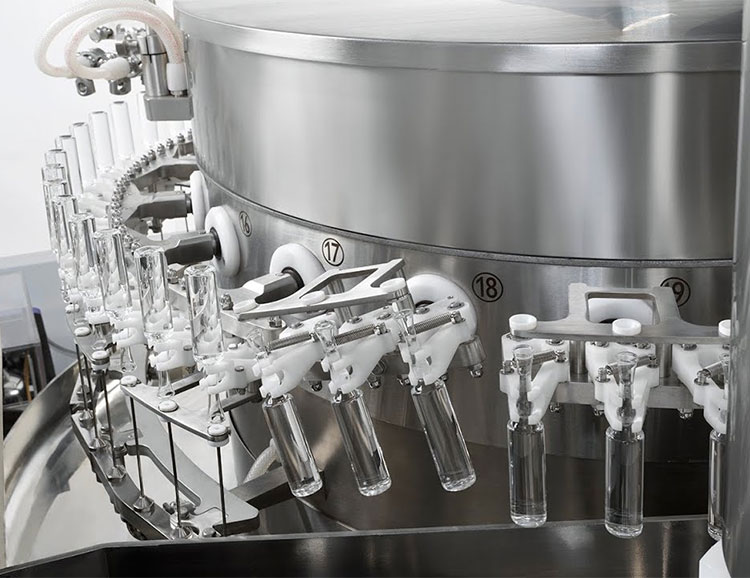
Deep ampoule washing unit
One is an ultrasonic washing machine that utilizes a high-frequency vibration technique that mainly helps you in the removal of sticky debris or stains over the surface of the ampoule. The ultrasonic vibration hits water molecules in and out surface of the ampoules and knocks out the sticky materials or any unwanted foreign substances that can affect the quality of the ampoules.
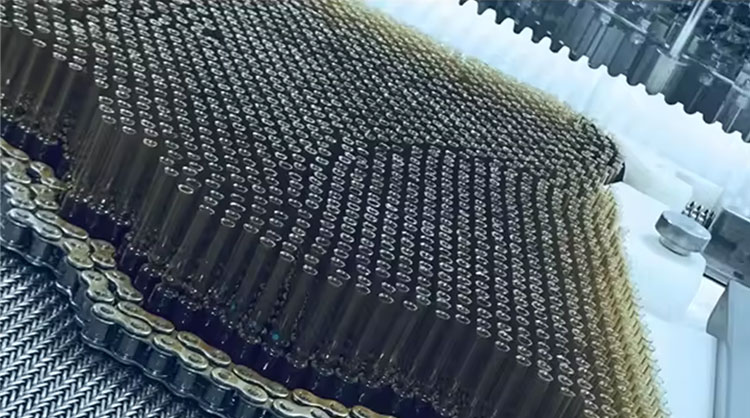
Moreover, the equipment inherits the higher strength sound which is helpful in the elimination of microbes just by sound waves.
Besides this., the rotary ampoule washing machine utilized a rotary carousel with intense water flow subjected to each ampoule presented in the washing unit.
Once they're washed, an out-feed worm unit allows the neat and sterile ampoule release.
Hot Air Sterilization Tunnel
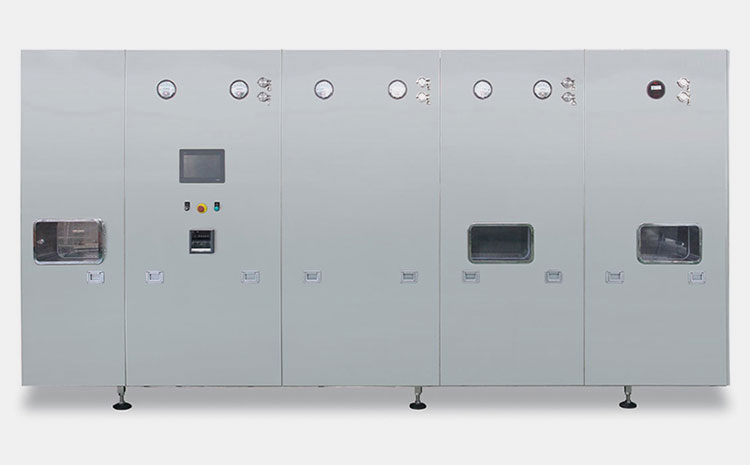
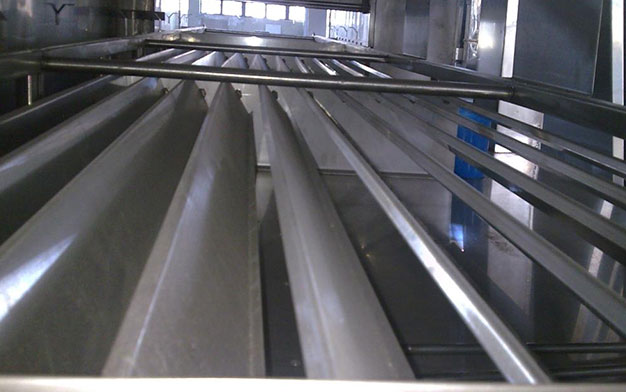
AIPAK ENGINEERING hot air circulation sterilization tunnel
The depyrogenation tunnel is designed to dry, sterilize and depyrogenate glass ampoules before filling. The reference configuration accommodates 1–10 mL ampoules and is designed for a linked production speed of 550 ampoules/min based on 2 mL conditions.
The tunnel includes preheating, high-temperature and cooling sections, with high-efficiency filtration, temperature monitoring, differential pressure control and mesh belt cleaning functions.
| Parameter | Reference Specification |
| Ampoule range | 1–10 mL |
| Speed | 2 mL: ≥550 ampoules/min |
| Operating temperature | 280–330°C |
| Heat distribution | ≤±8°C |
| FH value | ≥1365 |
| Effective belt width | 900 mm |
Ampoule Filling and Sealing Machine
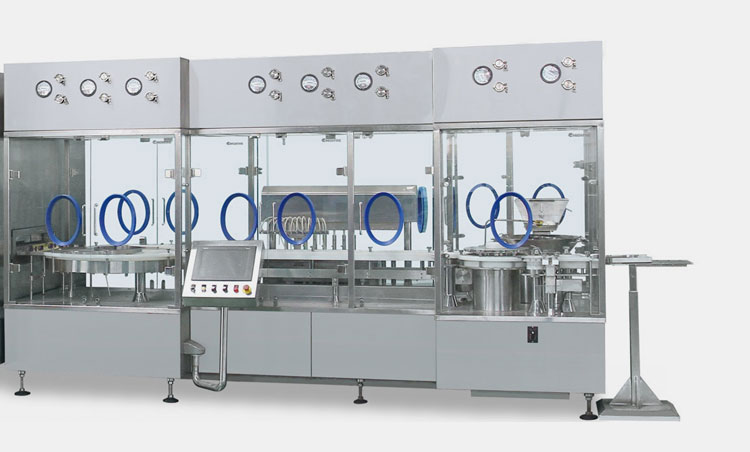
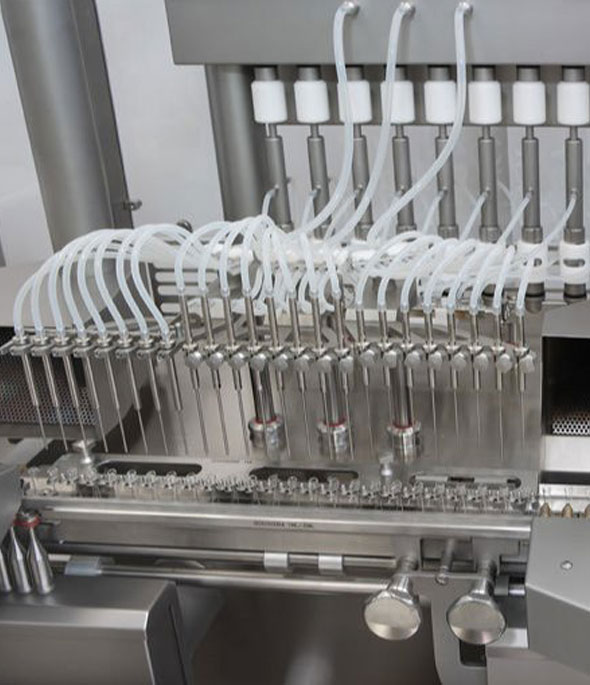
AIPAK ENGINEERING ampoule filling and sealing machine
This is the significant part of the ampoule filling line playing an important role in the processing of formulations in the manufacturing industries worldwide especially in the pharmaceutical industries.
The biological equipment manufacturers take care of your needs that’s why this machine is designed to meet all requirements for liquids as well as other formulations in the ampoule.
The wire mesh once received sterilized ampoules that are mainly filled and neck sealed by this unit. The machine offers fast production to you with pre gassing and post gassing feature for every ampoule.
Due to high production, you make the feat of high goal every hour. Moreover, this equipment gives well well-controlled fire or flame flow with a cooling system to avoid overheating the machine ultimately making it long long-lasting investment for you.
Moreover, this is very easy to integrate with other machinery hence you can meet the needs of production demand up to a great level.
5.How Does an Ampoule Filling Line Work?
6.What Ampoule Sealing Method Does the Filling Line Use?
Ampoule sealing is performed after filling and, where required, nitrogen flushing. In the referenced AIPAK configuration, the ampoule neck is preheated before drawing and sealing. The sealing mechanism uses heated glass and drawing pliers to form the sealed ampoule neck.
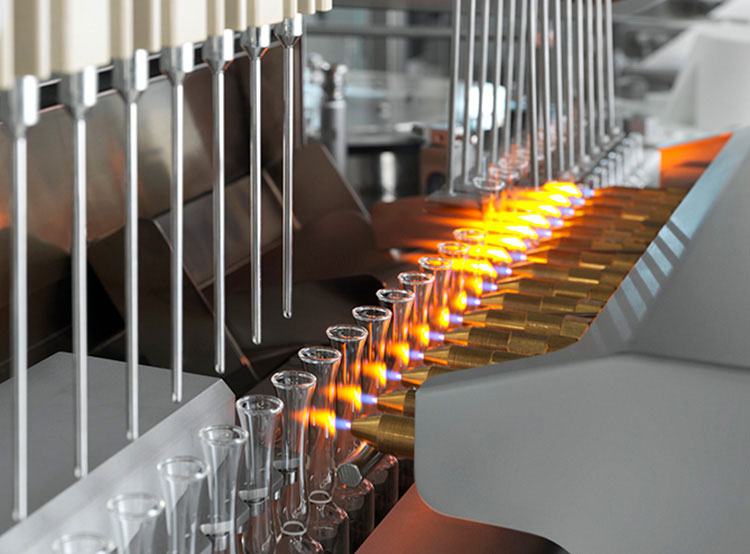
The sealing configuration should be selected according to the ampoule specification, glass characteristics, product requirements and validated process conditions.
7.What Are The Parts Machines Involved In The Ampoule Filling Line?
The parts of machines used in the ampoule filling line are discussed below:
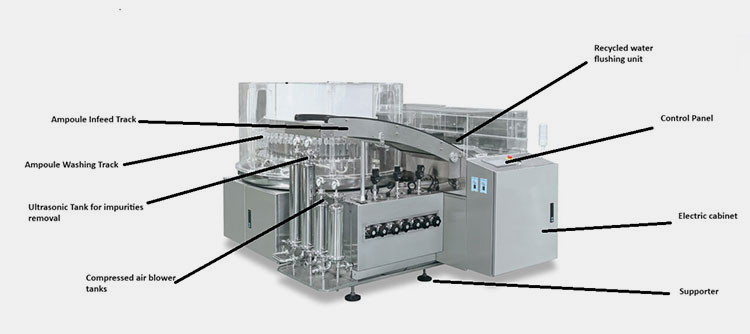
AIPAK ENGINEERING parts of the ampoule washing machine
| Ampoule Infeed Track | Glass ampoules are always prone to scratches or damage during handling. This part of the machine is specially made to ensure uniform and gentle loading of the ampoules feeding in the machine. A chain just behind the infeed is meant to allow flexible movement and maintain the space among them hence jamming could be avoided. |
| Ampoule Washing Track | A series of ampoules moves from one phase to another phase via a conveyor system known as an ampoule washing track which assures that the procedure is taken place progressively correctly and washing steps (pre-washing, rinsing, pose washing) and rinsing are done smoothly. |
| Ultrasonic Tank for Impurities Removal | Ultrasonic washer generates small and tiny bubbles that gently that ensure disposing of the impurities surrounding the ampoule. |
| Compressed Air Blower Tank | The ampoules once they’re washed are subjected to the blower that uses high pressure to clear water particles around them and make them ready for further sterilization phase |
| Recycled Water Flushing Unit | The used water is cleaned and filtered again and recycled in the washing procedure which minimizes the extra water wastage during the processing and helps in the conservation of natural sources. |
| Control Panel | Its main control panel is based on the touch screen interface which is composed of essential keys and hooked to physical switches and buttons which helps in fast, safe, and efficient processing.
Moreover, you can be notified about the working status by the control panel showing on a monitor. |
| Electric Cabinet | This is indeed a critical and well-protected zone that is composed of circuits and electrical components sophisticatedly fixed inside the electric cabinet ensuring the user’s safety and protection against electrical hazards. |
| Supporter | The entire framework of the washing unit is mainly based on the four supporting units which negate the generation of vibration during work, unwanted noise, and firm fixation in your unit. |
Hot Air Circulation Sterilization Tunnel
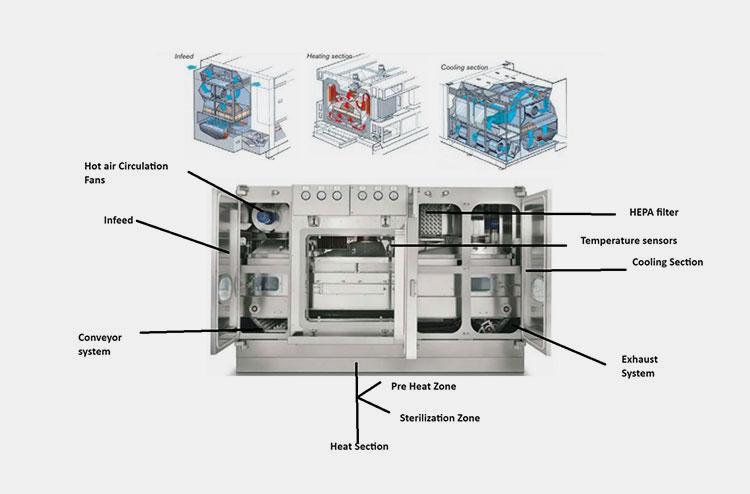
Hot air circulation sterilization tunnel
| Infeed | This is the gateway allowing ampoules to be entered inside the tunnel by the help of a conveyor which passes through the washing section towards the sterilization phase. |
| Hot air Circulation Fans | For effective circulation of warm and heated air, these fans are playing a significant role in the distribution of hot air particles in each corner of the tunnel. This is an excellent way to attain a uniform temperature inside and bring fruitful eradication of unwanted material inside and outside the ampoules. |
| Conveyor System | This is designed inside the tunnel followed by its entire length. The purpose of the conveyor system is to provide set of ampoules into each zone respectively and save your time. |
| Heating Section | This is the second section which is mainly divided into two zones, a pre-heat zone and sterilization zone to provide extensive heat into each ampoule. The difference between these two zones is the temperature which is higher in the sterilization zone than pre-heat that is typically above 320 to 350 degrees centigrade. |
| HEPA Filters | HEPA filter which is known as a High-Efficiency Particulate Air filter mainly used in every sterilization plant to ensure the inside environment is free from contaminated particles else it traps and maintain the sterile condition in the entire working process. |
| Temperature Sensors and Controllers | The inside tunnel is mainly set with various sensors and controllers that help you in the sensing and regulate the temperature. |
| Cooling Zone | This is the third zone where the temperature drops down gently in order to make the ampoule safe to touch and protect it against thermal shock. |
| Exhaust System | The generation of heat inside the tunnel is being emit out by the help of exhaust systems which make equipment well-controlled and preventive against heating up. |
Ampoule Filling And Sealing Machine
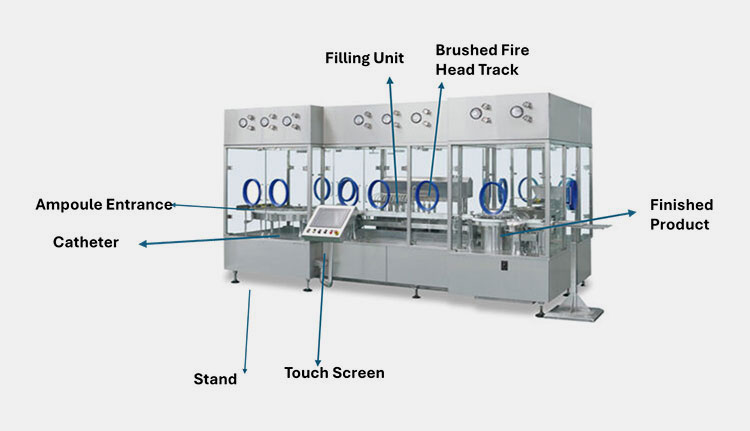
Parts of AIPAK ENGINEERING ampoule filling and sealing machine
| Ampoule Entrance | In this machine, automatic or manual loading of ampoules takes place and the conveyor is responsible for transporting them towards the filling station. |
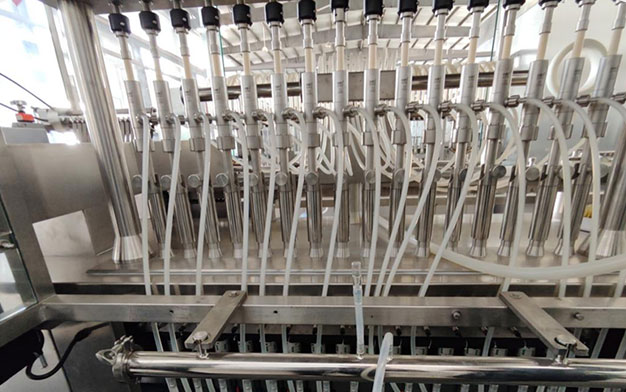
| Filling unit | This is the zone where ampoules are subjected to filling and are mainly composed of the catheter, and series of the pump where circulation of the solution takes place. |
| Catheter | A catheter is a delicate and needle-like tool that is mainly used to introduce the solution to be dispensed in the ampoule. The purpose of using a catheter is to fill your product with the precise volume of the drug and without causing it to waste during the filling process. |
| Brushed Fire Head Track | If you observe a video on our page, you will notice some burner radiating flame. These are meant to seal the ampoules hermetically. The burner produces fire that melts the surface or neck of the ampoule and the molten state forms the proper sealing shape of the ampoule. Moreover, the control regulators assess the positioning and temperature of the burners. |
| Finished Product | Once the ampoules are sealed, the gentle movement of the conveyor allows them to transfer out of the machine and makes its temperature lower. The finished product is collected outside the machine and sent for further packaging processes. |
8.What Is the Difference Between Manual, Semi-Automatic and Automatic Ampoule Filling Lines?
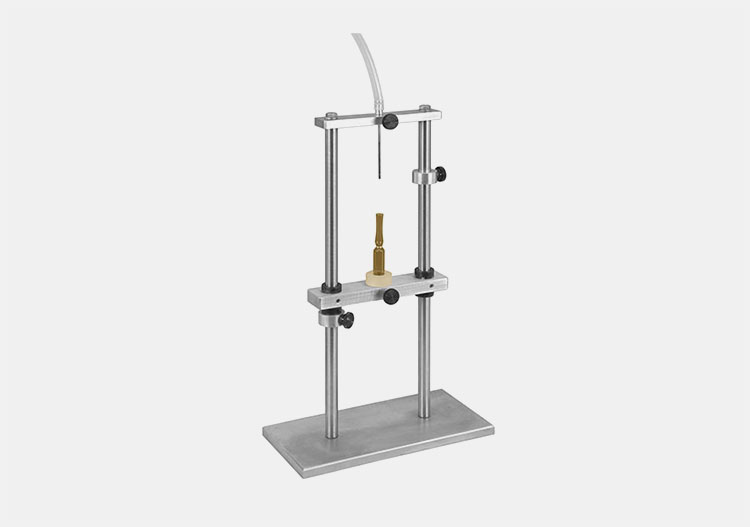
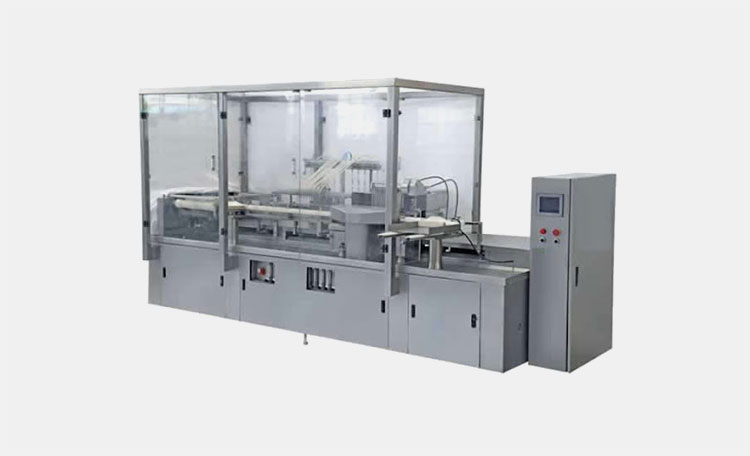
Manual and automatic ampoule filling machine
| Configuration | Typical Characteristics | Suitable For |
| Manual | More operator involvement | Small-scale or development use |
| Semi-Automatic | Partial automation | Smaller production projects |
| Automatic | Integrated washing, filling, sealing and transport | Commercial pharmaceutical production |
9.What Factors Should Be Considered When Selecting an Ampoule Filling Line?
1. Product Characteristics
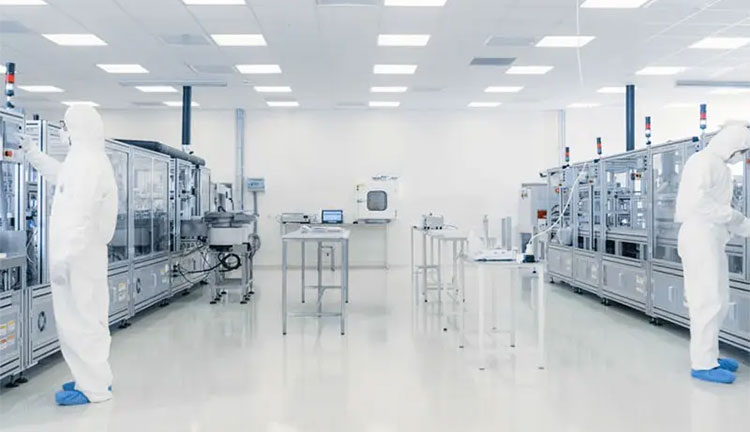
Define the product formulation, viscosity, sensitivity to oxygen and required filling conditions before selecting the filling system.
2.Ampoule Size
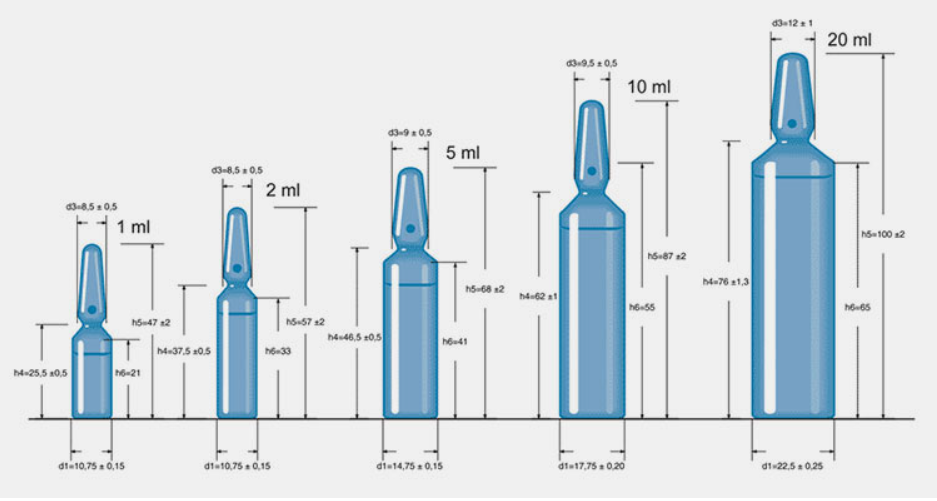
Choose a machine configuration that supports the required ampoule range and allows efficient format change between different sizes.
3. Production Capacity
550 ampoules/min stable linked line speed
4. Filling Accuracy
ORABS
0.45 m/s ±20%
PAO test interface
pressure differential monitoring
5. Sterile Filling Environment
ORABS
0.45 m/s ±20%
PAO test interface
pressure differential monitoring
6. Automation & Data Management
- PLC + HMI
- recipe management
- alarms
- production parameter recording
- secure login
- 3-level user rights
- electronic signature
7. Integration
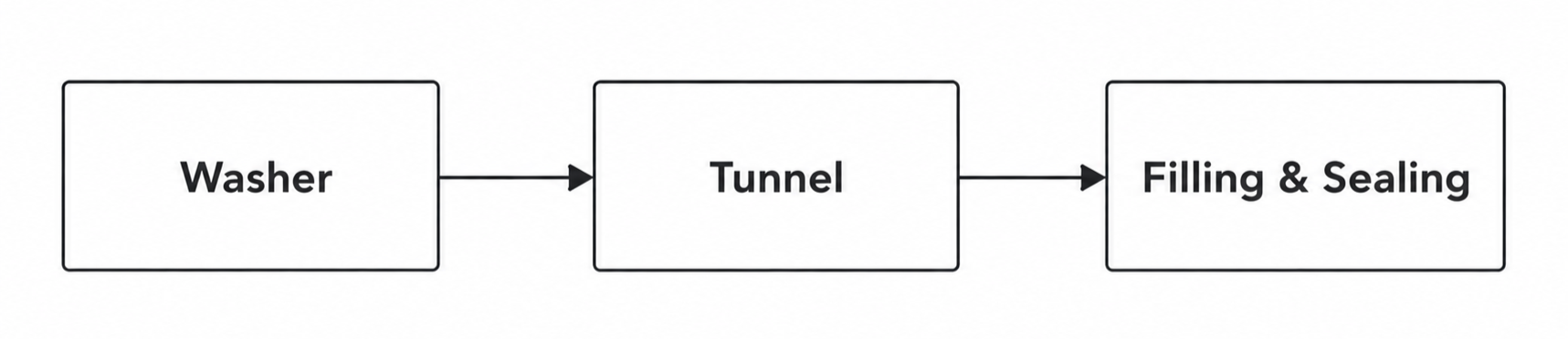
10.What Are the Common Problems in Ampoule Filling and Sealing?
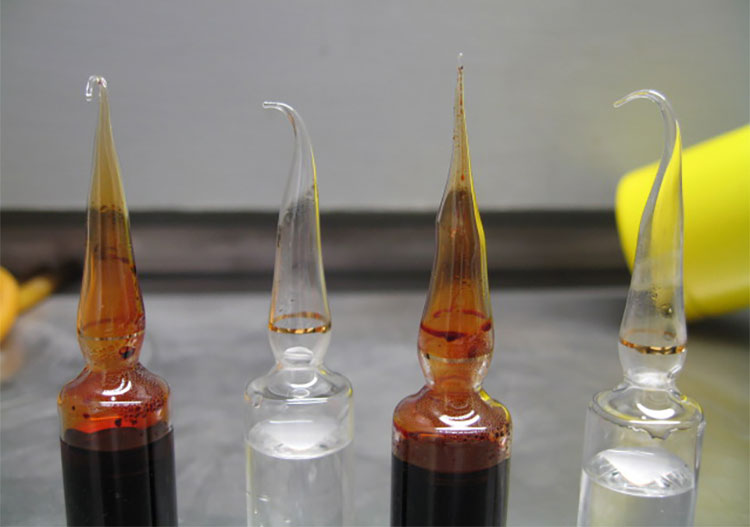
| Problem | Possible Causes | First Checks |
| Fill volume deviation | Pump setting, air bubbles, formulation condition | Check pump/filling parameters |
| Ampoule breakage | Improper positioning, transfer impact, sealing condition | Check transport and sealing |
| Poor sealing | Heating or drawing parameters | Check burner and drawing settings |
| Contamination | Inadequate cleaning or environmental control | Check cleaning and controlled environment |
11.What Validation and Documentation Are Required for an Ampoule Filling Line?
Pharmaceutical ampoule filling projects may require engineering, testing and qualification documentation throughout the equipment lifecycle.
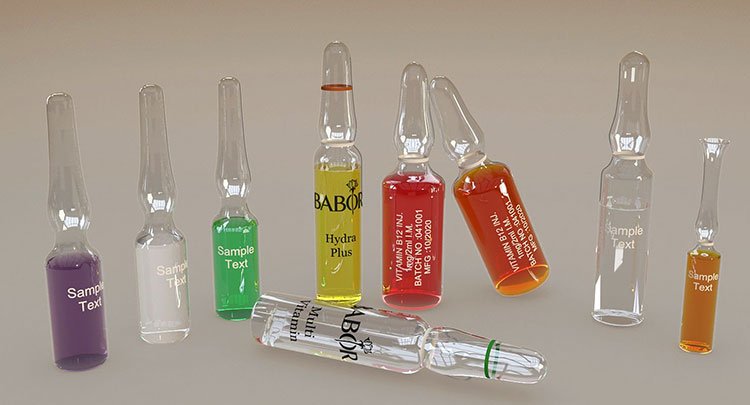
Depending on the project scope, the documentation package may include:
- Design Qualification (DQ)
- Installation Qualification (IQ)
- Operational Qualification (OQ)
- Performance Qualification (PQ)
- Factory Acceptance Test (FAT)
- Site Acceptance Test (SAT)
- Equipment Layout
- Certificate of Conformity
- Operation and Maintenance Documentation
- Electrical and Pneumatic Drawings
The exact documentation package should be defined according to the equipment configuration, project URS, validation strategy and applicable regulatory requirements.
Conclusion
Selecting an ampoule filling line requires careful consideration of ampoule size, production capacity, filling accuracy, washing and depyrogenation, sterile filling conditions, automation and validation requirements. AIPAK Engineering provides integrated ampoule washing, depyrogenation, filling and sealing solutions for 1–10 mL ampoules, together with engineering documentation and qualification support. Contact our team to discuss the right ampoule filling line configuration for your project.
CONTACT US
Tell us your ampoule size and target output to get quotations within one working day.
WhatsApp:+86 181 6426 8586
 Send your ampoule size (2–20 ml) and target output, and we will return a line configuration.