
The Client
An established pharmaceutical manufacturer and a long-standing AIPAK Engineering customer. Having previously purchased ampoule and vial filling lines and downstream equipment from us, the company returned to AIPAK Engineering to develop a new large-volume parenteral (LVP) product line.
The Challenge — Recommending the Right Technology
Two-step ISBM produces the bottle in two stages — first injection molding a preform, then reheating and stretch-blowing it into the final container. This separation gives better control over wall thickness and material use for large-volume bottles.
Two-step ISBM process: preform injection molding → reheating → stretch blow molding into the final infusion bottle.
The client's technical team first approached us about BFS (blow-fill-seal) equipment. But as we explored their actual requirements — high speed (12,000 bottles/hour) and large fill volumes (500 ml and 1 L), with a goal of reducing consumable cost — our engineers saw that a different technology would serve them better.
Based on our experience, we recommended a two-step ISBM (injection stretch blow molding) solution rather than BFS. For high-speed, large-volume infusion containers where material efficiency matters, two-step ISBM offered the better fit.
Because the client did not yet have a detailed URS, we worked from the available information to provide guidance and produced a complete reference proposal to help them define the project.
The Solution — An Integrated ISBM Turnkey Line
The proposed line runs as one integrated flow — from bottle forming through filling, sterilization, inspection and packing:
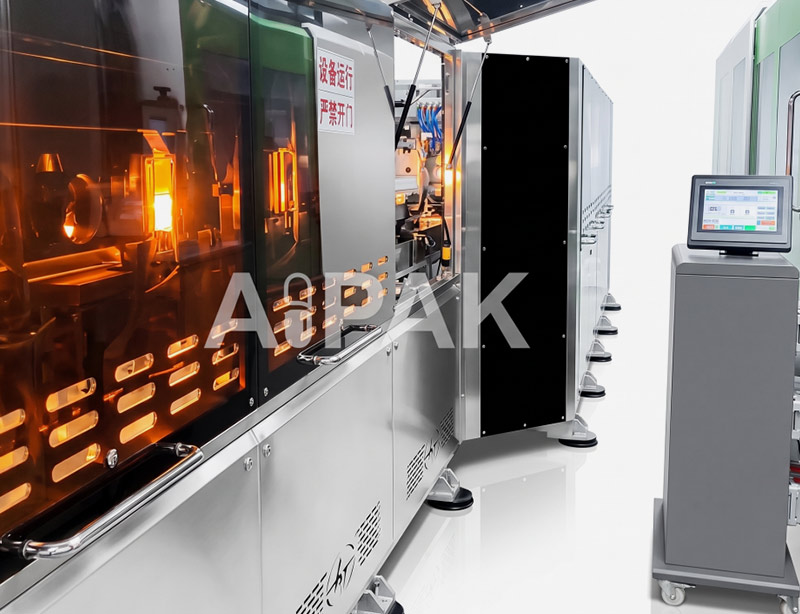
1. ISBM Forming & Filling
Preform injection, bottle blowing and blow-fill-seal
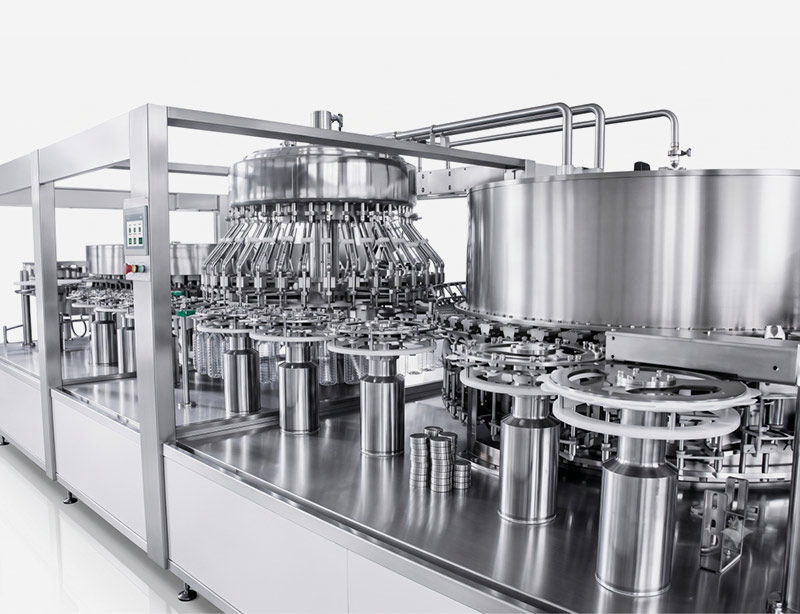
2. Track Loading/Unloading
Automated in-line transport
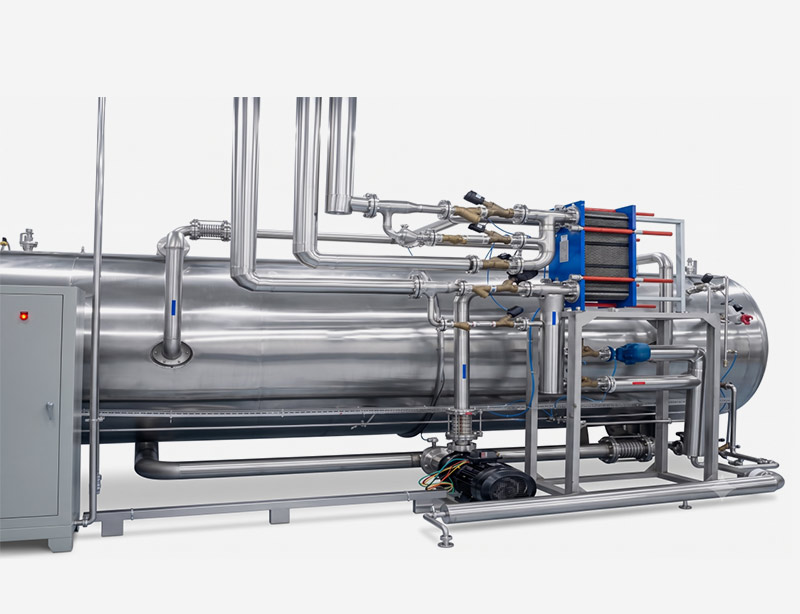
3. Sterilization
Sterilizer with autoclave

4. Air-Shield Drying
Downstream bottle surface drying

5. Inspection & Leak Detection
Visual inspection + leak detection with rejection

6. Labeling & Packing
Final labeling and cartoning
Balancing Capacity Against Practical Constraints
The client was satisfied with the proposal but asked to raise capacity to 15,000 bottles/hour. On evaluation, our engineers identified a practical problem: at that capacity, the required sterilizer chamber would be too large to fit into a standard shipping container.
Rather than pushing a solution that would create shipping and logistics complications, we advised the client of the trade-off. The client agreed to maintain 12,000 bottles/hour — a capacity that meets their production needs while keeping the equipment practical to ship and install.


The Result
The proposal was presented to the client's leadership, who were fully satisfied with the technical solution. The client's facility is currently under construction, expected to be completed in late 2026, with the project planned to start around that time. Our team will continue working closely with the client to finalize the project.
Planning a High-Speed Infusion Line?
Whether you're considering BFS, ISBM or glass — tell us your target speed, fill volume and goals, and our engineering team will recommend the right technology and prepare an integrated proposal.