
Insulin Vial Types: What Do You Know?
Are you feeling overwhelmed by your diabetes diagnosis? Are you wondering why there are so many types of insulin? How do they provide relief?
Insulin is the main medication for managing symptoms of diabetes. But with so many types of this preparation, people often get confused. Each type has its own special trait and certain mechanisms of action to manage glycemic levels in the blood.
If you’re a diabetic person, caregiver of a diabetic individual, or just someone curious about insulin, in this article, “Insulin Vial Types: What Do You Know?”, we’ll dive into the fascinating world of insulin vials and unlock the secrets within these small containers. So, let’s learn together!
1.What is an insulin vial?
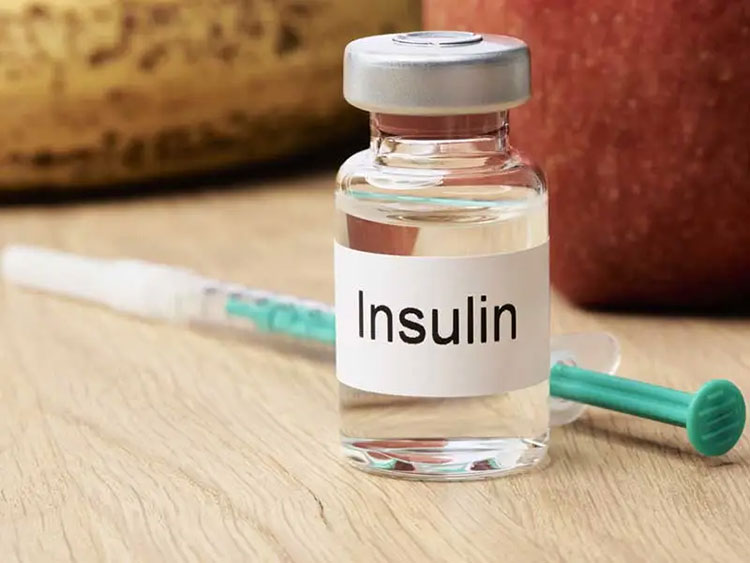
Insulin Vial- Picture Courtesy: Diabetes Voice
From an industrial automation perspective, an insulin vial operates as a critical, hermetically sealed containment vehicle engineered to sustain the chemical stability of highly sensitive parenteral fluid formulations.
Typically manufactured from high-purity Type I borosilicate glass or specialized medical-grade polymers, these small cylindrical containers are scaled to interface directly with high-speed pharmaceutical packaging lines. Because industrial insulin suspensions present strict anti-contamination and volumetric precision metrics, downstream capital processing lines must integrate automated ultrasonic washing, hot-air depyrogenation sterilizing, and precise piston-driven liquid closing systems to manage commercial batch outputs.
2.What Structural Material Classes Differentiate Commercial Insulin Vial Configurations?

High-speed container handling matrix aligning molded glass vials for automated pharmaceutical liquid filling
In heavy-duty bio-pharmaceutical manufacturing, insulin vial types are strictly categorized by their chemical resistance and mechanical tolerances under extreme processing temperatures.
Type I high-borosilicate molded glass remains the global engineering gold standard due to its superior hydrolytic resistance, preventing any alkaline leaching that could alter the pH balance of biological proteins. For specialized delivery vectors, advanced medical-grade cyclic olefin polymers (COP) are deployed, offering zero-breakage resilience and tight dimensional consistency during high-velocity transport through automated track systems.
3.Why Do Automated Washing, Depyrogenation, and Capping Lines Dictate Insulin Packaging Safety?

AIPAK fully automated vial filling, stoppering, and capping production line integrated with a high-temperature depyrogenation tunnel
Sustaining absolute sterility across complex insulin vial types dictates an integrated mechanical line executing continuous downstream processing.
The production train coordinates high-frequency ultrasonic vial washers, continuous hot-air depyrogenation tunnels operating up to 180°C, and multi-head volumetric piston filling blocks that eliminate fluid dripping. Operating under positive-pressure laminar flow hoods, the hardware executes real-time rubber stoppering followed immediately by high-torque aluminum capping and rolling, sealing the active hormones against ambient oxidation and microbial biofilm formation.
The automated washing blocks require a continuous supply of highly purified water processed via rigid membrane validation to prevent any heavy-metal particulate carryover. The pure water generation loop must strictly validate systemic microbial indices adhering to the frameworks enforced by the ISPE Baseline Guide: Water and Steam Systems (Third Edition) Sanitary Validation Frameworks, ensuring zero biofilm accumulation across all distribution piping.
4.Are there any tips for injecting insulin vial types?
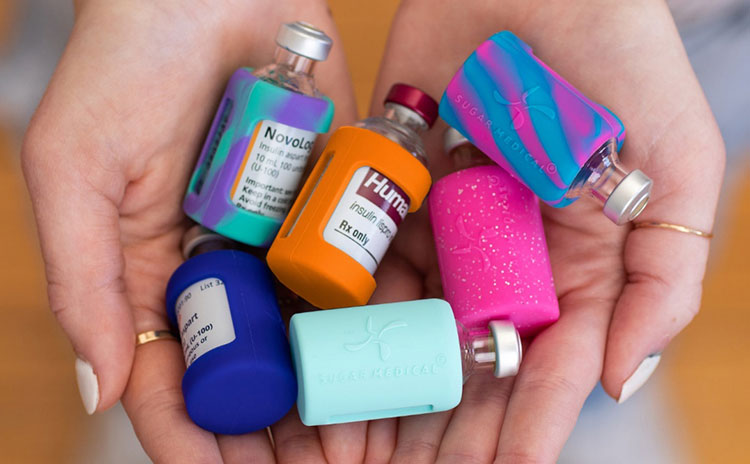
Insulin Vial Safety- Picture Courtesy: Sugar Medical
Let’s be real- safety always comes first when you’re using insulin vials of any kind. It is not optional but is essential. Some useful tips are penned below.
| Clear or Cloudy | Before injecting insulin, take a good look at it. Many of your insulin vial types are completely clear. So, make sure there are no floating pieces, small bits, visible clumps, white particles, or crystals of any kind in your vials. If you get intermediate-acting insulins, well, they come with a cloudy look. So it is imperative that you gently roll and invert them for about 10 minutes each, till you see your insulin formulation turning milky white. |
| Clean Needle, Every Time | Use a fresh needle or pen for injection every time- no ifs and buts. And of course, don’t forget to wipe the rubber stopper of your insulin vial with an alcohol swab before putting the needle inside it. |
| Check That Date | Insulin doesn’t last forever. Subsequently, check the back label of the insulin vial before every use. If you notice that the expiry date has passed or the vial smells weird, then trust your guts and throw it out. |
| No Shaking, no Bubbles | Are you seeing tiny bubbles in your vials? It happens when you forcefully shake vials. So don’t agitate them before use, as this messes up your insulin dose. |
5.How to decide which insulin vial types are best for you?
Nowadays, you’ll likely see people surfing the internet to find the right insulin type for their sugar treatment. However, before going on the internet, first you must consult your physician because they prescribe you the most suitable insulin vial type by looking at your symptoms, eating schedule, and activity levels. However, here are some useful factors that normally influence the selection of the best insulin vial type for you:
Diabetes Type

Type of Diabetes- Picture Courtesy: Business Insider
Have type 1 diabetes? Then your health physicians normally give you a combination of rapid-acting and long-acting (basal-bolus) insulin treatment plans. On the other hand, if you’re a type 2 diabetic person, then long-acting or premixed insulin is prescribed to you. For women with gestational diabetes, doctors review their needs and may suggest short-acting or intermediate-acting insulin.
Daily Routine

Daily Routine- Diabetes UK
Do you work according to a preplanned schedule? Premixed insulin could be perfect for you. Conversely, if you’re juggling odd hours, then a combination of rapid-acting and long-acting insulin vial types offers you more freedom.
Eating Habits

Eating Habits- Picture Courtesy: Health Coach Kait
If you eat regular meals, premixed insulin might do the trick. But if your eating schedule’s all over the place, rapid-acting insulin can keep up.
Activity Levels

Activity level- Picture Courtesy: Inside Tracker
Individuals with more busy routines are at higher risk of hypoglycemia, so, in this case, long-acting or ultra-long-acting insulins are more appropriate. They offer more stable coverage without resulting in glucose level drops in the blood.
Age

Insulin and Children- Picture Courtesy: Kids Health
Diabetic type 1 is quite common in both kids and grown-ups alike. To combat it, kids need insulin doses that are accurate and easily changed. That’s why they often get a double-pack combo of rapid-acting + long-acting insulin. As complex insulin regimens are troublesome for older adults to adhere to, they’re generally offered simpler premixed alternatives.
Conclusion
Insulin treatment isn’t like one shoe size fits all. Like other meds, insulin vials come in many forms. Each one performs its job differently and stays active for different periods. Your body needs, personal lifestyle, and doctor's counsel matter the most when picking out the right insulin vial type for you. However, when using insulin, you must store it properly, inject it safely, and follow a proper administration schedule and your doctor's advice. Got more questions about insulin vial types? Reach out to AIPAK Engineering from anywhere in the world. We’ve got your back!
References
1.ISPE Baseline Pharmaceutical Engineering Guide: Volume 4 - Water and Steam Systems —— International Society for Pharmaceutical Engineering (ISPE)
2.FDA Guidance for Industry: Sterile Drug Products Produced by Aseptic Processing — Current Good Manufacturing Practice —— U.S. Food and Drug Administration (FDA)
3.The Mechanical Stability and Volumetric Precision Requirements for Parenteral Insulin Formulations —— Journal of Pharmaceutical Sciences
4.Packaging Materials for Biological Liquids: Type I Borosilicate Glass vs. Cyclic Olefin Polymers —— Bioprocess Engineering Compendium
Meet Our Lead Technical Contributor

Mason Senior Pharmaceutical Automation Engineer & Fluidic Systems Specialist at AIPAK ENGINEERING
Mason: Mason brings over a decade of hands-on technical experience in engineering high-containment fluid delivery loops, industrial water purification infrastructure (WFI), and cGMP-compliant sterile packaging lines for international markets. Specializing in the mechanical design of multi-station washing-filling-sealing production matrices, automated high-voltage leak detection (HVLD), and ATEX-certified component isolation, his validation workflows ensure that volatile and light-sensitive chemical formulations achieve complete regulatory harmony across complex ASEAN and European biopharmaceutics logistics sectors.
CONTACT US
Tell us your raw material and project budget to get quotations within 24 hours.
WhatsApp Us: +86 181 6426 8586