
Liquid Penicillin: The Complete FAQ Guide In 2025
Were you curious the first time you saw the bottle of liquid penicillin and wondered what it actually is? Liquid penicillin is a power liquid that has ability to fight back bacterial infection. If you are worried about taking it-don’t be; it is easy to take as it is swallowed.
This quit mighty hero seems a simple liquid but it is powerful medication. This old-aged antibacterial medication that saved hundreds of thousands of people is still used in this advanced era. It helps you to get rid of life-threatening infections.
In this blog of AIPAK Engineering, you will be equipped with information that will help you in choosing a liquid penicillin- how does it work, can you store it in refrigerator, manufacturing process and others. let’s uncover the world of this sensitive solution.
1.What Do You Know About Liquid Penicillin?

Commercial oral suspension bottles of liquid penicillin formulations processed inside an automated pharmaceutical blending line
The large-scale industrial compounding and precision line filling of liquid penicillin formulations—specifically oral antibiotic suspensions and sterile injections—require highly controlled cross-contamination safeguards and rigid environmental monitoring.
Because beta-lactam antibiotics present extreme cross-reactivity risks, international regulatory bodies mandate that liquid penicillin synthesis happen inside dedicated, isolated manufacturing facilities completely segregated from other pharmaceutical lines.
This comprehensive technical guide establishes the cGMP engineering frameworks for vacuum emulsifying homogenization, high-accuracy bottle/vial filling lines, and continuous sterilization cycles to inform high-volume capital machinery procurement.
2.What Engineering Mechanisms Facilitate Homogeneous Agitation and Prevent Sedimentation in Liquid Penicillin Suspensions?
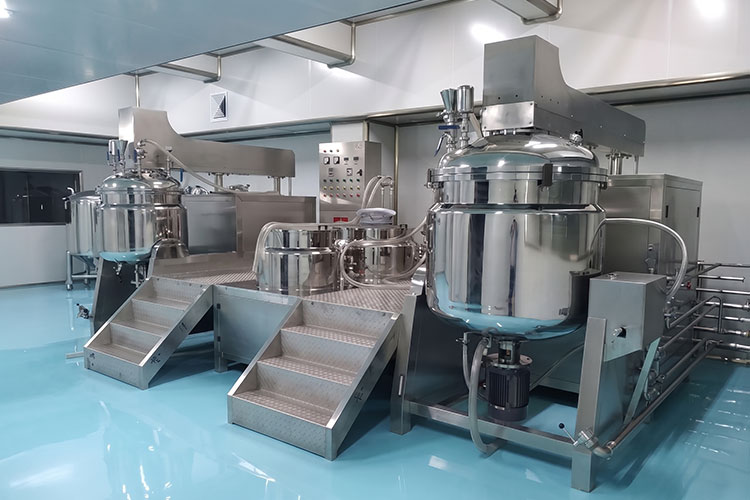
AIPAK vacuum emulsifying mixer with automated high-speed homogenizer for consistent antibiotic suspension compounding
Formulating a stable, homogeneous liquid penicillin suspension dictates an advanced thermodynamic compounding array capable of uniform polymer dispersion without inducing active ingredient degradation.
Utilizing an industrial vacuum emulsifying mixer, the engineering array drives counter-rotating open-loop scrapers and a high-speed centralized homogenizer to shear down thickening agents like xanthan gum and sodium CMC.
Processing under a strict internal vacuum state entirely eliminates atmospheric micro-bubbles, preventing the oxidation of sensitive penicillin derivatives and completely mitigating the risk of gravimetric particle sedimentation or uneven component dosing across large product batches.
3.How does a liquid penicillin work?
When a liquid penicillin slipped down the throat or injected, it starts working on its goal. Do you know its goal? Let’s explore it.
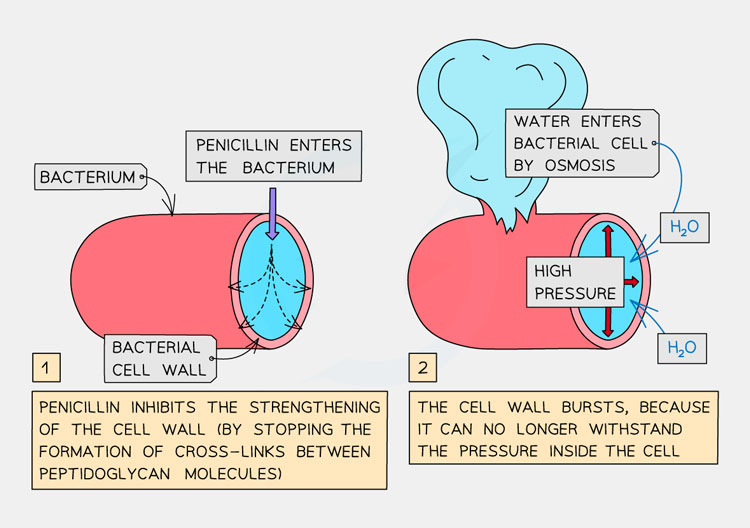
Penicillin work: picture courtesy: savemyexams.com
| Once it is swallowed, it is absorbed in blood stream through digestion. It travels in blood and looks for a target. |
| When it reaches the infection site, it starts its main mission here. It breaks the bacterial cell wall, protein that is helpful in replicating bacterial cells. Thus, bacterial cells will not grow further. The cell wall of bacteria cell is not strong enough now to protect the internal system. So, a pressure develops inside and burst. This results in death of bacteria cell. |
| Relieving of symptoms is done by immune system. A penicillin breaks down in liver and excreted through urine. |
4.Which Automated Filling Technologies Ensure Volumetric Precision and Contamination Exclusion in Antibiotic Packaging Lines?
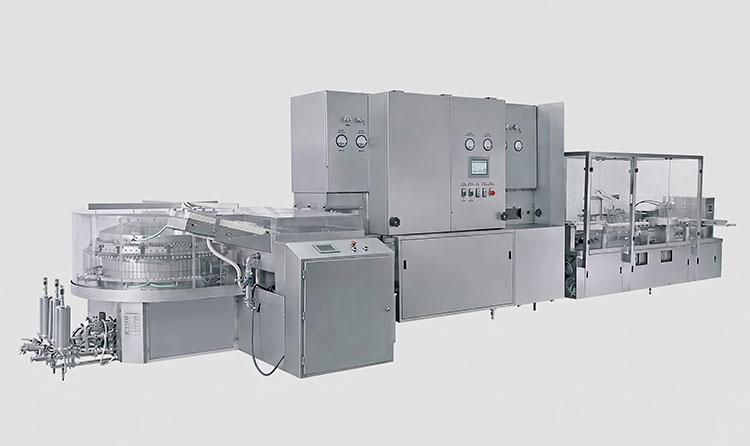
AIPAK automated high-accuracy liquid filling and capping production line integrated with a rotary sterilization oven
The downstream transport and primary packaging of liquid antibiotics are executed via fully integrated filling, stoppering, and capping arrays engineered for absolute volumetric accuracy.
For oral penicillin syrups, the production train links automated ultrasonic washers, localized hot-air depyrogenation tunnels, and multi-head piston filling blocks that eliminate fluid dripping. The system maintains a continuous positive-pressure laminar flow over the open containers.
Immediately post-filling, high-torque capping devices apply tamper-proof, tightly closed seals to eliminate external ambient moisture ingress, stopping chemical crystallization or microbial spoilage before final batch release.
Because beta-lactam processing lines present severe containment priorities, the physical layout of the mixing tank and filling loops must enforce strict dynamic pressure differentials.
The absolute separation of antibiotic exhaust loops must fully comply with the industrial safety benchmarks stated in the WHO Good Manufacturing Practices for Pharmaceutical Products Containing Hazardous Substances Frameworks, ensuring zero crossover contamination into adjacent processing cells.
5.What is the manufacturing process of liquid penicillin?
Liquid penicillin is made not from one step process. Different machines and steps are involved in its manufacturing process. Here you go.
| Steps | Explanation |
| Raw material blending and solution mixing
Raw material blending and solution mixing-Picture courtesy: iqsdirectory.com |
For formulation of liquid penicillin, raw material is necessary. Thus, raw materials are blended using blender and then, the blended powder ingredients are mixed to the liquid excipient to form a homogenous solution. |
| Sterile filtration of prepared solution
Sterile filtration of prepared solution-picture courtesy: prajhipurity.com |
The homogenous mixture of ingredients is passe to the filtration unit. Reason? It is passed to remove microbes and any clumps. So, there would be no hurdles. |
| Liquid penicillin filling
Liquid penicillin filling-Picture courtesy: recipharm.com |
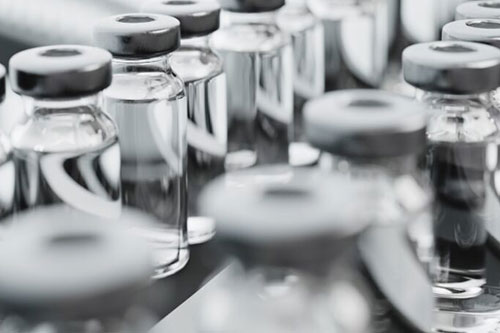
Liquid penicillin is filled in desired containers. Sealing is also done here to protect filled containers from contaminations. |
| Autoclave | Different tools are used in its manufacturing process. however, you should use autoclave to sterilize them. |
| Quality control test | To check defects in containers and even in solution, visible inspection is used. This checks any cracks, discoloration etc. of the container. |
| Labeling and packaging
Labeling and packaging-Picture courtesy: sciencemuseumgroup.com |
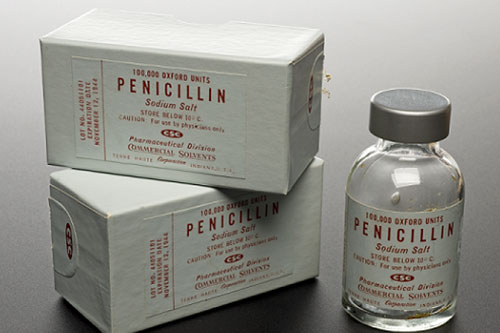
Last but not least, labeling and packaging of liquid penicillin is done. For labeling, you should use labeling machine and for making and inserting the vials or ampoules in cartons by cartoning machine. |
6.What are the machines used in formulation of liquid penicillin?
Followings are the machines involved in manufacturing liquid penicillin.
Vacuum emulsifying mixer
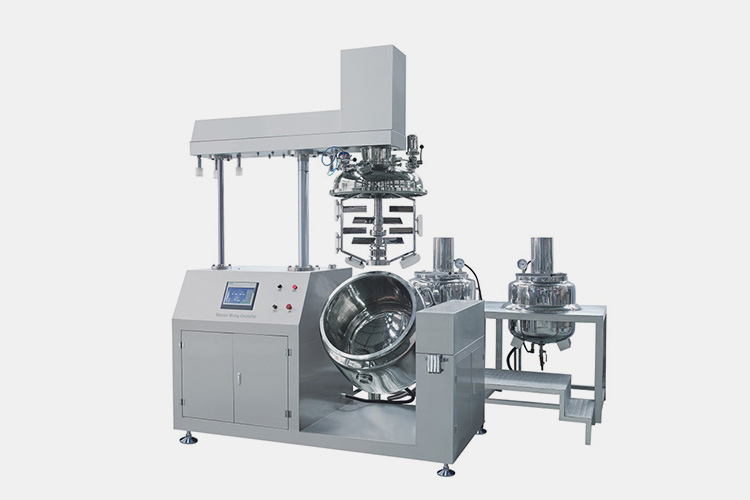
AIPAK vacuum emulsifying mixer
To make mixture of ingredients of liquid penicillin such as penicillin agents, suspending agent, stabilizer and others, vacuum emulsifying mixer is used. In this homogenizer, agitator rotates at high speed that enables a uniform forming and mixing of ingredients that ensures consistent flow, and reduces the risk of sedimentation in liquid penicillin.
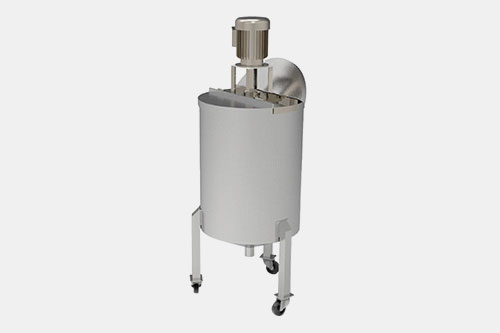
Mixing tank
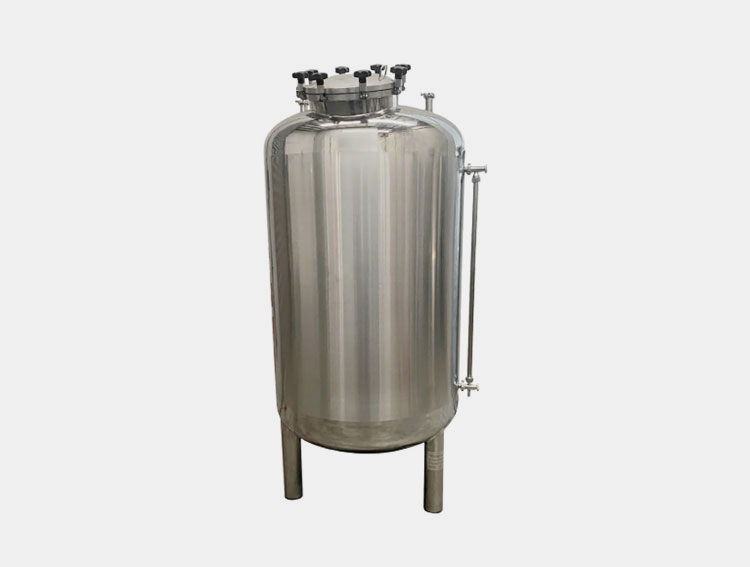
Mixing tank-Picture courtesy: homemakeit.com
The above blended powder is mixed with solvent and other liquid excipient in stainless steel tank. A uniform emulsion produced here by continuously stirring of agitator in tank. Agitator speed is controlled by control panel.
Sterile filtration unit
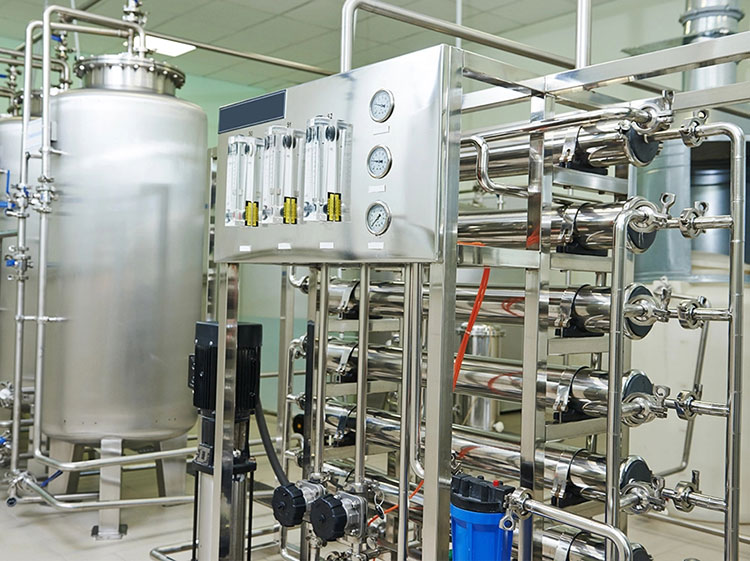
Sterile filtration unit-Picture courtesy: waterteachnology.com
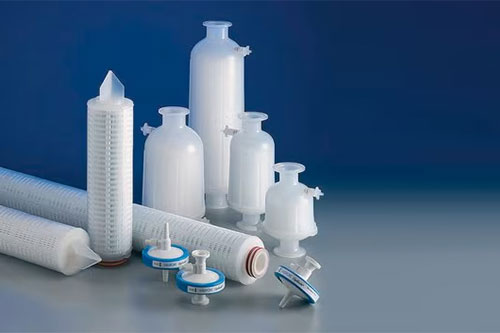
Before fill the solution in containers, it is necessary to remove the contaminants or microorganisms, if there. For this, sterile filtration unit is used. In it, there is different filter units, through which small or large solid clump or germs are removed or trapped. Like a 0.22-micron membrane filters trap bacteria and other particles.
Vial filling production line
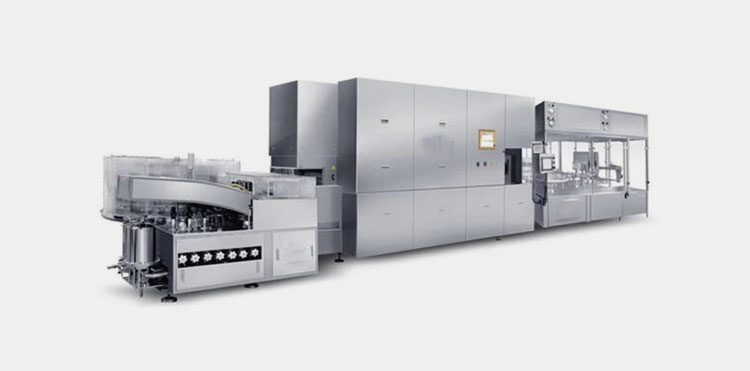
AIPAK vial filling production line
The above AIPAK production line is fully automated and efficient in handling filling process. Different machines are integrated. In washing machines, vials are washed from ultrasonic waves. Vials are sterile in depyrogenation tunnel. They are filled and applied stoppers by filling and stoppering machine. There is great accuracy in filling. Caps are applied using capping machine.
Ampoule filling production line
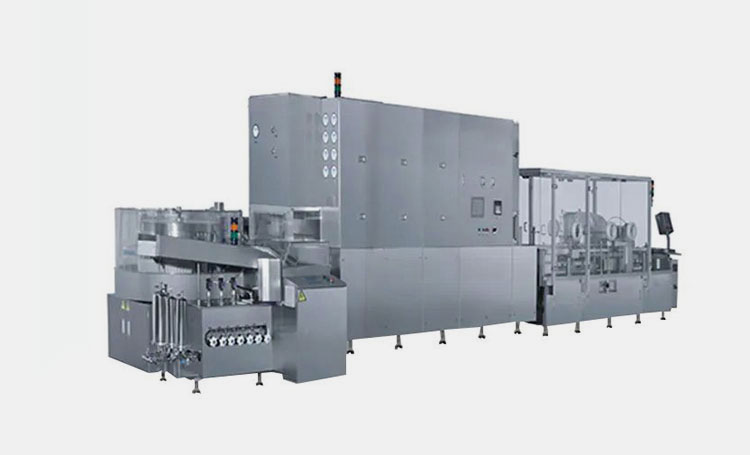
AIPAK Engineering ampoule filling line
Ampoule filling line is composed of ultrasonic washing machine, dryer sterilizer and ampoule filling and sealing machine. For washing ampoules, ultrasonic washing machine is used. To remove germs and dry it, dry sterilizer is used. Then, ampoules are filled and sealed by filling and sealing machine.
Bottle filling machine
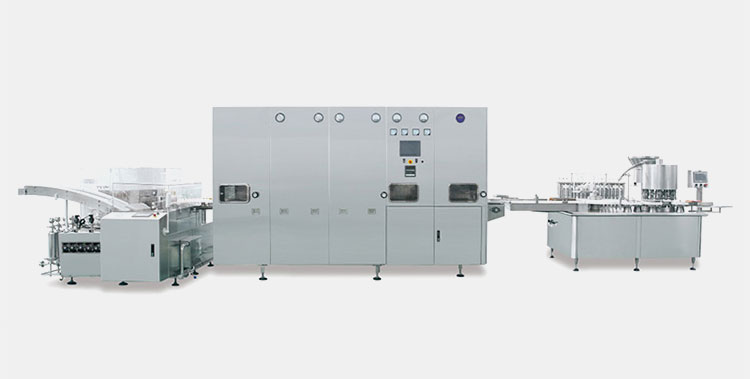
AIPAK Engineering high accuracy bottles filling production line
This production line of AIPAK ENGINEERING is very efficient in handling an oral syrup bottle. Here, three machines are integrated. In washing machine, bottles are washed and to make them dry and remove any microorganism, a sterilization oven is used. Lastly, filling and capping machine is used to fill bottles from liquid penicillin and caps are placed on it using capping machine
Autoclave
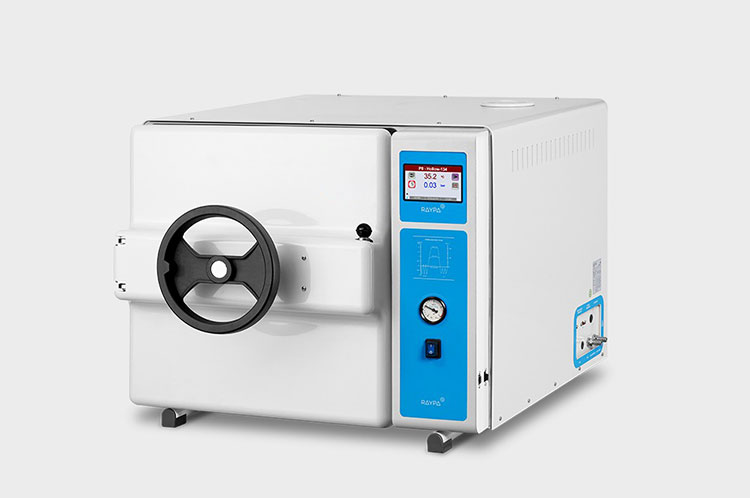
Autoclave-Picture courtesy: raypa.com
This equipment is used to sterile containers, and other tools use in manufacturing liquid penicillin. Sterility is the core factor that can compromise batches of liquid penicillin. A steam is used to kill bacteria, virus and other micro-particles.
Visual inspection machine
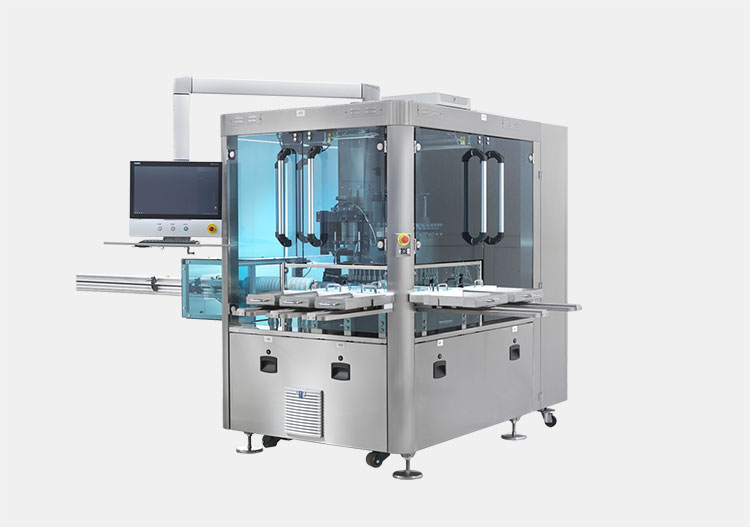
Visual inspection machine-Picture courtesy: brevetti-cea.com
After filling containers, their inspection is necessary. What is inspect by this machine is any change in liquid penicillin texture, cracks in containers, or other defects as this can misled the customers and also compromise its effectiveness. Containers move in machines and scanner scan them.
Labeling machine
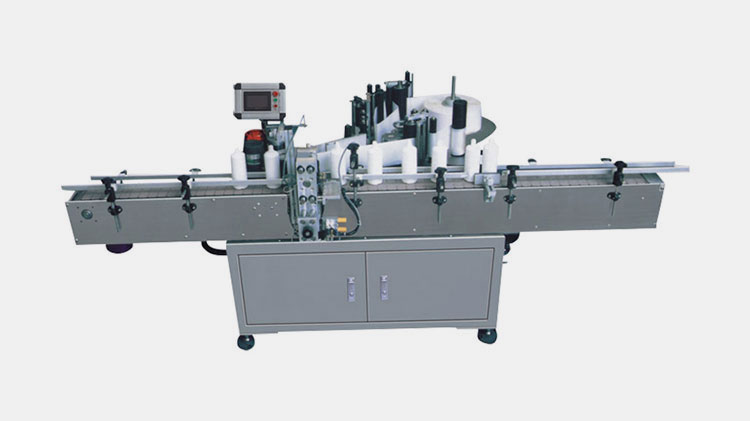
AIPAK Labeling machine
Label on containers is necessary in order to get inform the customers regarding liquid penicillin. So, labeling machine is used to stick labels on vials, ampoules or bottles.
Cartoning machine
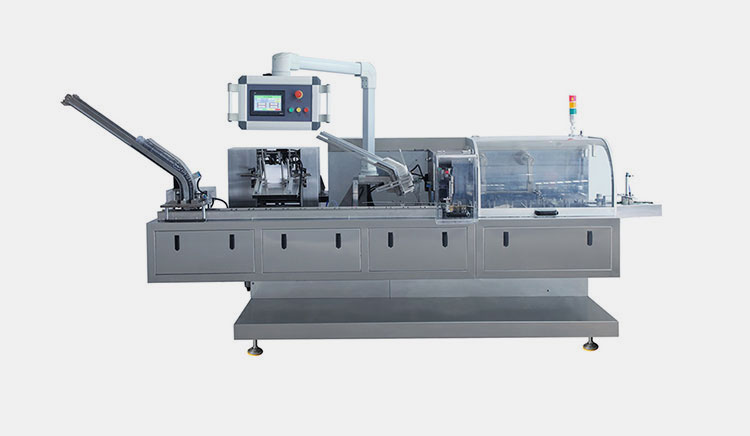
AIPAK Cartoning machine
The labeled containers are need to be packed in desired packaging styles. but do you know which machine is used for this? A cartoning machine form, erect and then insert the containers in cartons.
7.What are the storage conditions for liquid penicillin?
Have you ever wondered how to store a liquid penicillin? Why does proper conditions require? A liquid penicillin requires care to maintain its effectiveness and stability. To get benefit from this antibiotic based liquid, you should know the following below storage conditions.
Light
Always keep the liquid penicillin away from light. Exposing to UV rays degrade the ingredients that make it less effective and degrade. You may have seen storing this liquid in amber bottle that keeps the liquid penicillin away from light.
Temperature

Temperature-Picture courtesy: geographicbook.com
A liquid penicillin requires a low temperature and needs to be store in refrigerator. Do you know why? A high temperature breaks the heat sensitive ingredients of liquid penicillin that lose its potency.
Keep the bottles cap tightly close
Keep the bottles cap tightly close-Picture courtesy: steveregan.com
Do you keep the bottles caps tightly close? Have you ever thought what will happen when not seal caps properly? You should keep the caps of its containers tightly close. The moisture or air will get in the liquid penicillin that will react with it and will oxidize it. The contamination, microorganism or dust will enter in bottle and will spoil it.
Don’t freeze
You should not keep a liquid penicillin in freezer as freezing can damage its chemical structure. It will get crystalize and separate the solution which is unsafe for using as it loses its effectiveness or potency.
Read label on bottle
It must be made sure to read the label on this penicillin bottles. The liquid penicillin reconstituted date and its expiration date is clearly mentioned. Follow that, as different penicillin agents have different expiration and storage conditions.
8.Difference between liquid penicillin and tablets penicillin?
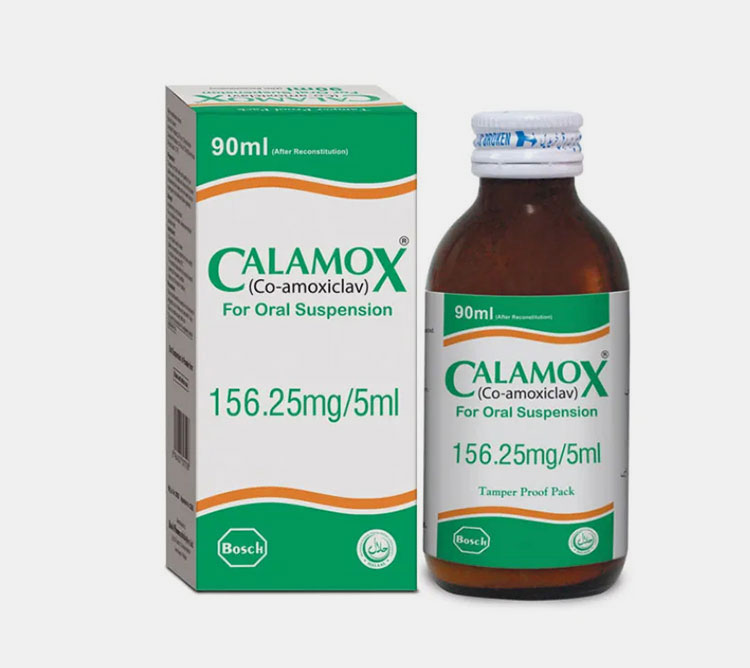
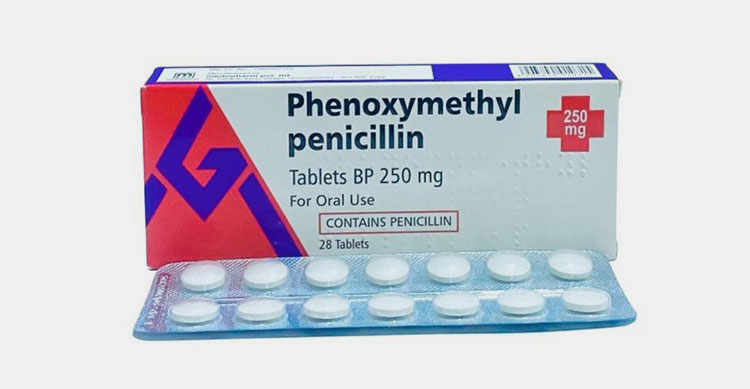
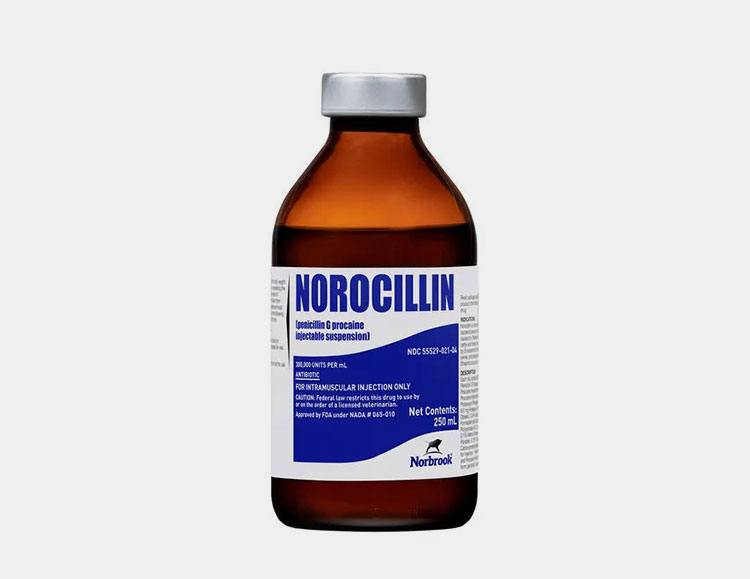
Liquid penicillin and tablets penicillin
As from its name, you can guess that both forms have penicillin. But have you wondered what can be a difference? Let’s unwrap the differences.
| Difference | Liquid penicillin | Tablet penicillin |
| Form | A liquid penicillin is a liquid or syrup type medication that is used to treat bacterial infection. | While a tablet penicillin is in solid form that are swallowed. |
| Ideal for | If you are curious who can take this penicillin, then for your information, it is ideal for children, elders and for those who has swallowing pills problems. | This form of penicillin can be ideal for elder children, adults and can also be use by elders. |
| Flexibility in doses | Aa liquid penicillin also has a pre-packed spoons and you can also use yours to measure a liquid penicillin dose. You can easily adjust the dosage according to the patient age and health condition. | While tablet penicillin has no flexibility in dosage. It comes in flexible count such as 200mg, 300mg and so on. |
|
Absorption in body |
When a fast action in body is required, mostly this form of penicillin is prescribed. It is fastly absorbed in digestive tract so quickly absorb. | While if you talk about the absorption speed of tablet penicillin, it absorbs slowly as it goes through a long process of breakdown in digestive tract, then absorption occur. |
|
Shelf life |
It has short shelf life once reconstituted. Generally, the shelf life of this is fourteen days. | It surpasses liquid penicillin in shelf life. How? It has longer shelf life for years, depends on type of penicillin used. |
|
Storage condition |
This requires refrigeration to maintain its potency. | It remains stable at room temperature and does not need refrigerator to maintain its effectiveness. |
9.What are the signs that shows that liquid penicillin has expired?
A liquid penicillin has not a long shelf life. Do you know how would you know that this penicillin is expired? It shows some of signs from that you can guess its expiration. It loses potency and can cause some risks when you use expired liquid penicillin. So, let’s jump into the signs it shows.
Change in color
Have you noticed any change of color of liquid penicillin changed? A fresh liquid penicillin is in light or milky color. But if its color change to yellow, dark or become cloudy, it means chemical structure of this penicillin has break down and is contaminated.
Clumping
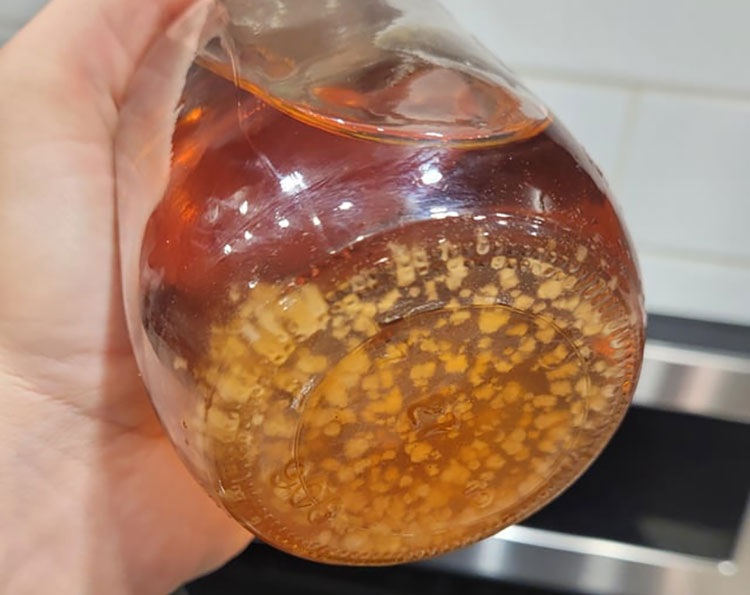
Clumping -picture courtesy: reddit.com
A good liquid penicillin is in suspension form. If you see a separation of this penicillin in layers, even after shake it which don’t mix, it means it is degraded and lose its effectiveness.
Unusual smell

Unusual smell-Picture courtesy: extension.com
Do you know liquid penicillin also smell bad when spoil? If you noticed a bad, bitter and foul smell from the liquid, it indicates its spoilage. The smell is created by break down of ingredients due to bacteria.
Unusual taste

Unusual taste-Picture courtesy: npr.com
Generally, liquid penicillin tastes sweet and flavory due to use of flavoring and sweetening agents. If you taste this liquid and it turned out bitter or sour, there is more chances of expiration.
10.Is liquid penicillin available in ready-to-use form or reconstituted frompowder first?
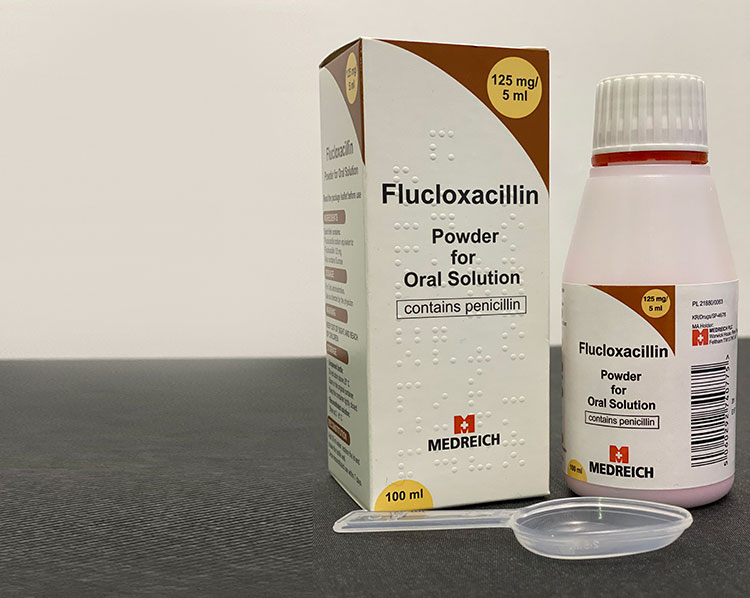
Liquid penicillin in reconstituted form
Most of the people use liquid penicillin for children and for those who can’t take tablet penicillin. Have you ever wondered is it available in ready to use form or does it need to be mix? Let’s discuss it.
A liquid penicillin comes mostly in powder form first in pharmacy where it is reconstituted with sterile water to make it in liquid form. It ensures a stable liquid penicillin during storage.
Do you know why it comes in powder form? Because powder form of penicillin has longer shelf life than liquid. Once reconstituted, it will need a refrigerator to store otherwise it will expire with in few days generally up to fourteen days. So, if it were come in ready to use form from pharmaceutical industry, it would expire while on its way before handed over to people and pharmacy.
Some of the liquid penicillin is available in ready to use form. What are those? These are in injectable form such as penicillin G benzathine. It is mostly use in hospitable where it is stored under strict condition and use them quickly. While in home, these are hard to keep them in safe condition.
11.Do you know the precautions that needs to be taken while using a liquid penicillin?
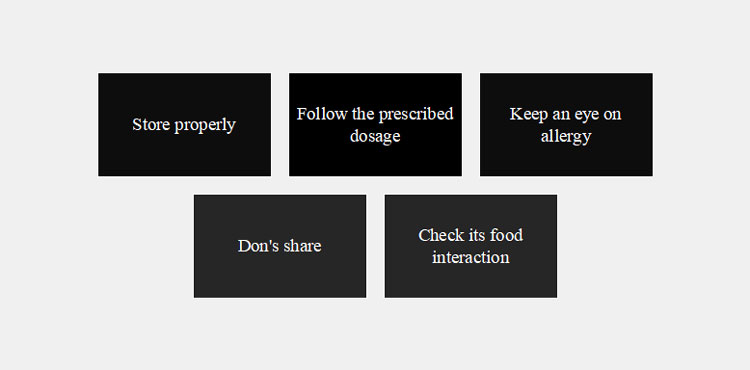
A liquid penicillin is used to inhibit bacteria growth or kill it. It needs care while handling it and small mistake can result in big deal. Followings are the precautions that has to be taken while using it.
| Precautions | Explain |
| Store properly | Keep the liquid penicillin in refrigerator of two to eight centigrade. After 14 days, if any signs of spoilage seen, throw it away. |
| Follow the prescribed dosage | You should follow the prescribed schedule. Take this at the proper and exact time. Try not to overdose or underdose even if you feel better. It can end up on antibiotic resistance. |
| Keep an eye on allergy | Before use, check your allergies. If your body shows symptoms of rashes, swelling or shortness of breath, stop the medication immediately as these are sign of penicillin allergy. |
| Don’t share | Don’t share your liquid penicillin with others even if symptoms are same, infection could be different. It can cause antibiotic resistance. |
| Check its food interaction | Read out the label of it to follow its usage instructions because some are taken with full stomach while some on empty stomach. |
Conclusion
To conclude this FAQ guide, it is concluded that liquid penicillin is used to kill or inhibit bacterial growth. It comes in reconstituted form from pharmacy but it also comes in liquid form in hospital. This liquid requires refrigerator for storage as it gets spoil in room temperature. Different machines use in its manufacturing. If you have any query, contact with us. Thanks!
References
1.WHO Technical Report Series: Good Manufacturing Practices for Beta-Lactam Antibiotic Production Facilities —— World Health Organization (WHO)
2.FDA Guidance for Industry: Non-Penicillin Beta-Lactam Drugs - Aseptic Processing and Cross-Contamination Prevention —— U.S. Food and Drug Administration (FDA)
3.The Engineering Metrics of High-Shear Blending and Viscous Oral Suspension Formulations —— Pharmaceutical Liquid Dosage Compendium
4.Sterile Filtration and Automated Depyrogenation Tunnel Validation in Modern Liquid Filling Lines —— International Journal of Pharmaceutics
Meet Our Lead Technical Contributor

Mason Senior Pharmaceutical Automation Engineer & Fluidic Systems Specialist at AIPAK ENGINEERING
Mason: Mason brings over a decade of hands-on technical experience in engineering high-containment fluid delivery loops, industrial water purification infrastructure (WFI), and cGMP-compliant sterile packaging lines for international markets. Specializing in the mechanical design of multi-station washing-filling-sealing production matrices, automated high-voltage leak detection (HVLD), and ATEX-certified component isolation, his validation workflows ensure that volatile and light-sensitive chemical formulations achieve complete regulatory harmony across complex ASEAN and European biopharmaceutics logistics sectors.
CONTACT US
Tell us your raw material and project budget to get quotations within 24 hours.
WhatsApp Us: +86 181 6426 8586