
Your Vial Lyophilization Line Provider
- Complete line: washing → filling & half-stoppering → freeze-drying → capping
- Automatic loading / unloading (ALUS / RBR) inside ORABS barrier
- 9.77 m² shelf area, 200 kg / batch ice capacity, GAMP5 / 21 CFR Part 11


The Buyer's Guide
A Complete Guide to Lyophilized Injectable Manufacturing, Vial Filling, Freeze Drying and Aseptic Transfer
Nowadays, lyophilized powder for injection is considered an extensive mode of drug administration than other routes (oral) for bedridden individuals.
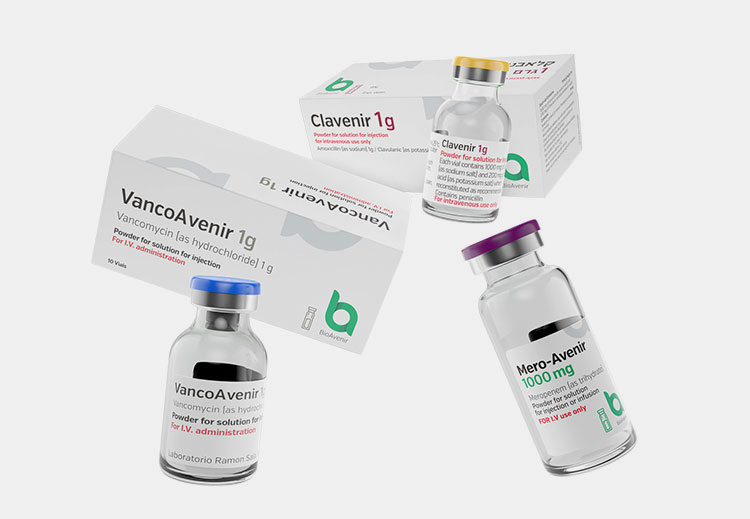
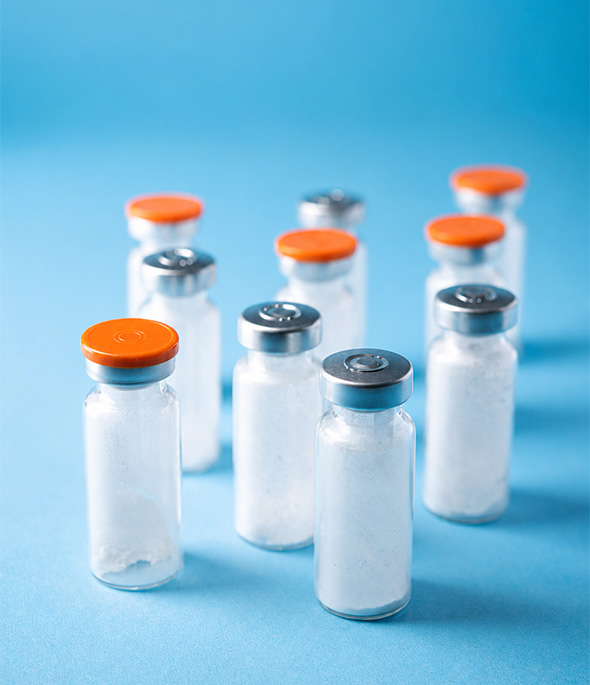
Picture Courtesy: BioAvenir
This is a significant route providing better compliance and a good stability profile. But what exactly is a lyophilized powder for injection? Why do you need it? There are many general questions that everyone has in their minds about products formed by the way of lyophilization.
In Lyophilized Powder for Injection: The Complete FAQ Guide In 2026, we have highlighted a detailed concept of lyophilized powder for injection and all related issues.
1. What Is a Lyophilized Injection?
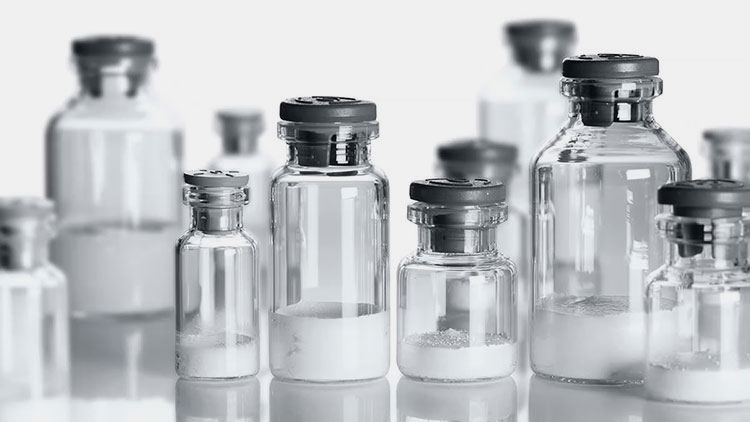
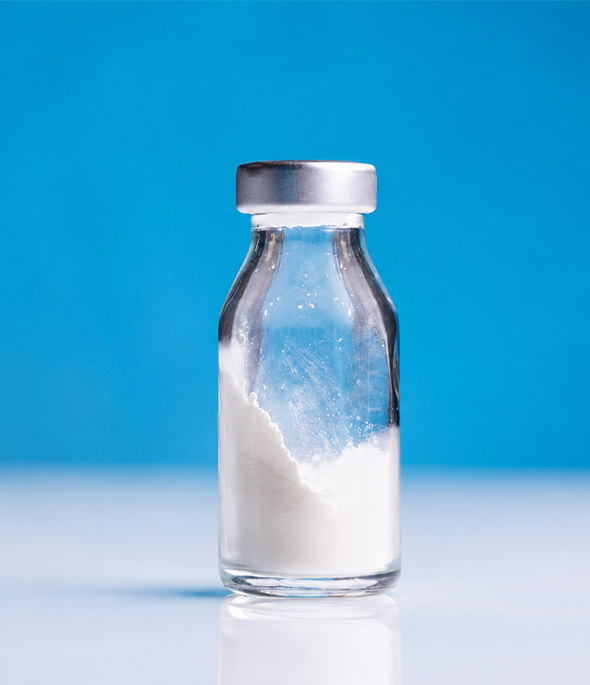
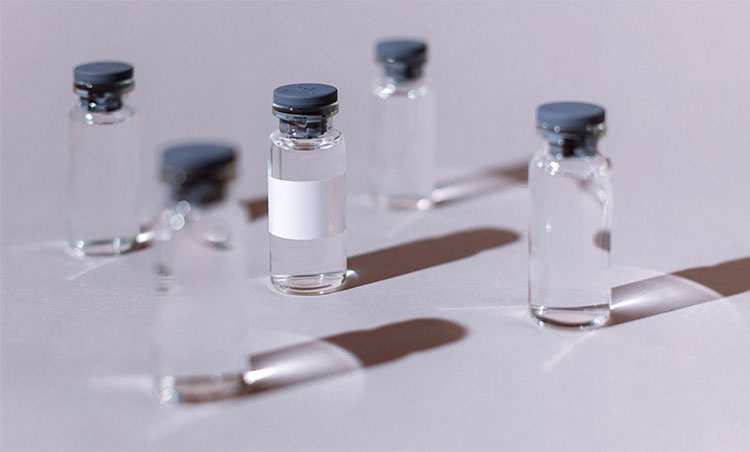
Lyophilized powder for Injection- Picture Courtesy: GEA
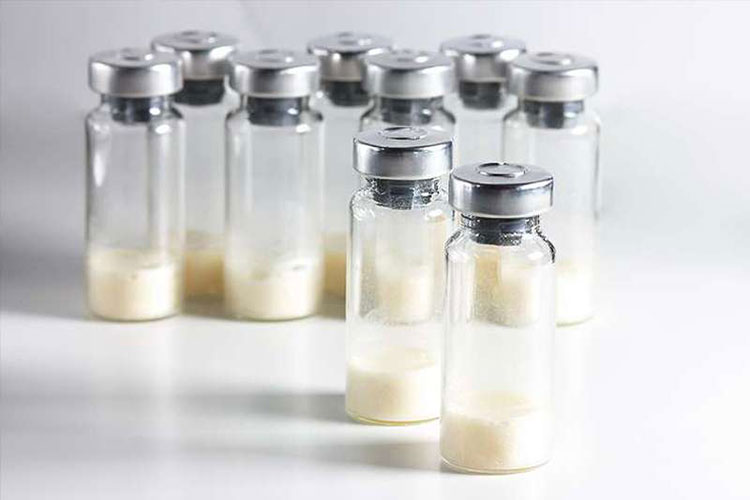
A lyophilized injection is a sterile pharmaceutical product that has undergone a freeze-drying process to remove water or other solvent under controlled temperature and pressure conditions.
Lyophilization can improve the stability of selected active pharmaceutical ingredients and may help extend the storage life of products that are sensitive to moisture or heat. The dried product is typically filled and sealed in a vial and may require reconstitution with an appropriate sterile diluent before administration, depending on the approved product formulation.
From a manufacturing perspective, producing lyophilized injections requires coordinated control of formulation, aseptic filling, partial stoppering, freeze-drying, stoppering, capping and pharmaceutical environmental conditions.
2. Why Are Injectable Products Lyophilized?
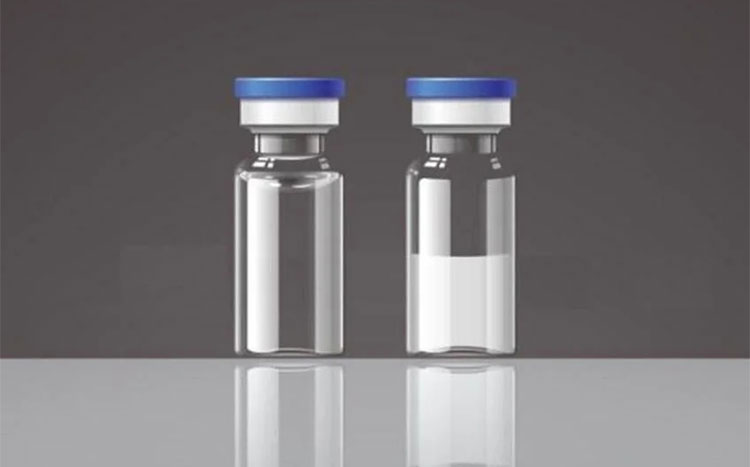
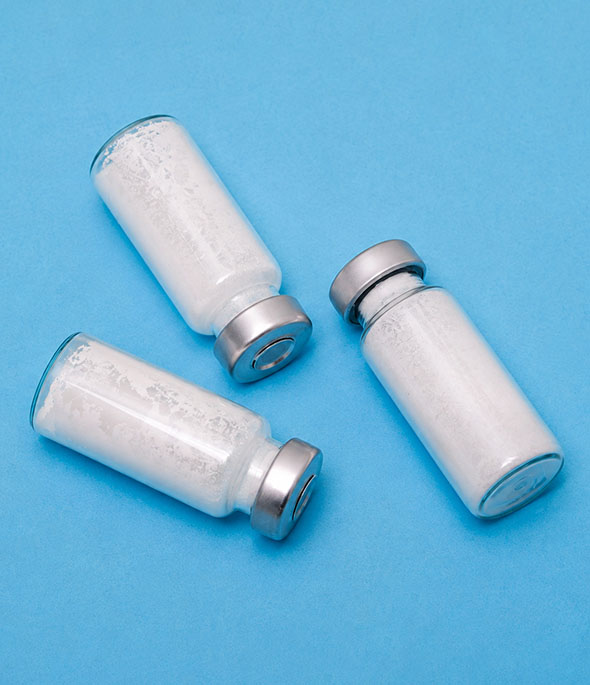
Lyophilized powder for injection
Lyophilization is commonly considered for injectable products when the active ingredient or formulation requires improved stability during storage. The suitability of freeze-drying depends on the formulation, product characteristics and validated manufacturing process.
Potential benefits of lyophilization may include:
Improved Stability
Removing a controlled amount of solvent can improve the stability of selected moisture-sensitive or heat-sensitive products.
Extended Storage Potential
A properly developed lyophilized formulation may offer improved stability over the intended shelf life.
Improved Product Handling
The dried product can be reconstituted before administration when required by the approved formulation.
Protection of Sensitive Ingredients
Freeze-drying can be useful for selected biological, pharmaceutical and other temperature-sensitive formulations.
3. What Types of Products Can Be Lyophilized?
Lyophilization is used for selected pharmaceutical products whose stability or formulation characteristics benefit from freeze-drying.
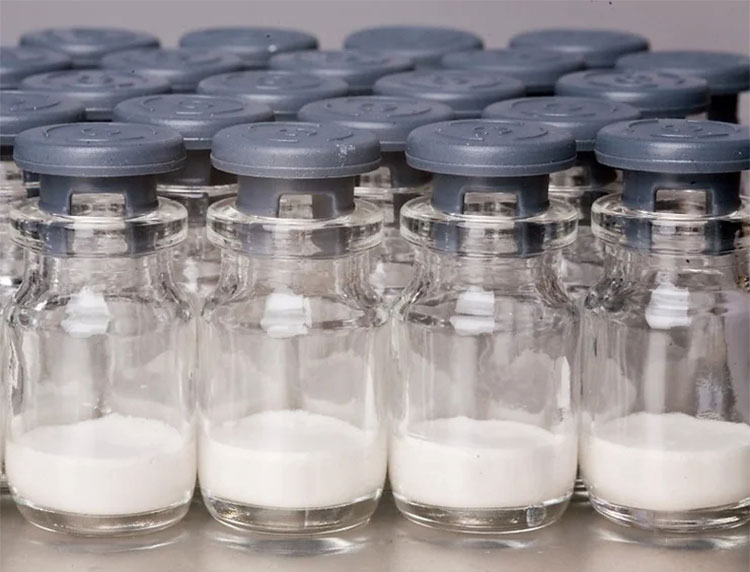
Depending on the product and approved process, applications may include:
- Selected injectable pharmaceuticals
- Biologics and protein-based products
- Certain vaccines
- Selected antibiotics
- Temperature-sensitive pharmaceutical formulations
- Other sterile products suitable for lyophilization
The suitability of lyophilization should be determined through formulation development and process studies before commercial-scale equipment is selected.
4. What Is the Lyophilization Process?
Lyophilization, or freeze-drying, removes solvent from a frozen product under controlled vacuum and temperature conditions. The process is normally divided into freezing, primary drying and secondary drying stages.
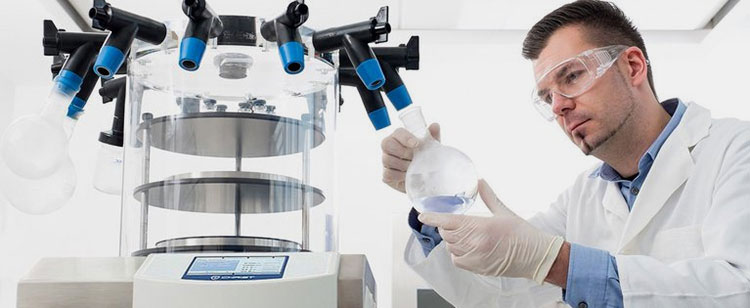
The actual cycle parameters depend on the formulation, vial configuration, equipment characteristics and validated process.
Step 1 — Freezing
The product is cooled below its freezing point to form a controlled frozen structure suitable for the subsequent drying stages.
Step 2 — Primary Drying
Vacuum is applied while controlled heat is introduced. Ice is removed primarily by sublimation, allowing the frozen solvent to transition directly into vapor.
Step 3 — Secondary Drying
Additional controlled heating under reduced pressure removes residual moisture to achieve the required final product condition.
5. What Equipment Is Required for Lyophilized Injection Production?
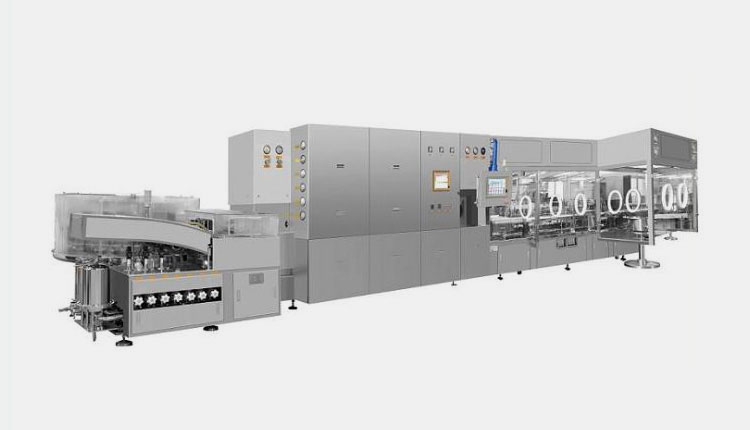
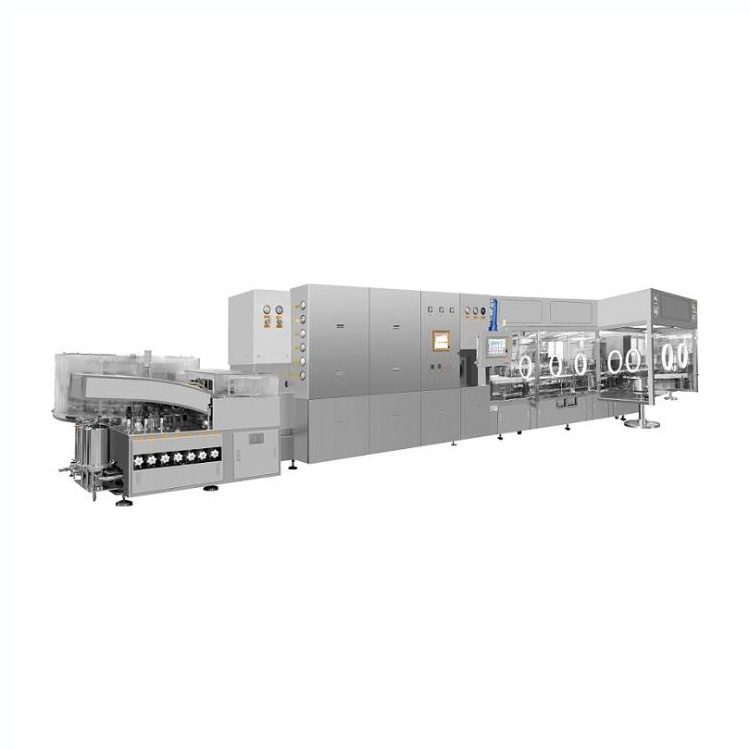
AIPAK ENGINEERING Production Line for Lyophilized Powder for Injection
A lyophilized injection production line is not limited to the freeze dryer itself. A complete vial-based production system may include vial washing, depyrogenation, aseptic filling and partial stoppering, automatic loading into the lyophilizer, freeze-drying, automatic unloading, final stoppering and aluminum cap crimping.
Depending on the project, the line may also include barrier systems, pharmaceutical utilities, environmental monitoring, control systems and qualification documentation.
| Equipment | Main Function |
| Vial Washing Machine | Clean vials before sterilization |
| Hot Air Depyrogenation Tunnel | Dry and depyrogenate vials |
| Filling & Stoppering Machine | Aseptic filling and partial stoppering |
| Automatic Loading System | Transfer filled vials into lyophilizer |
| Lyophilizer | Freeze-dry the filled product |
| Automatic Unloading System | Transfer lyophilized vials out of the chamber |
| Capping Machine | Apply and crimp aluminum caps |
| ORABS / Barrier System | Support controlled aseptic transfer |
| PLC / SCADA System | Process control and data management |
6. How Does a Vial Filling and Lyophilization Line Work?
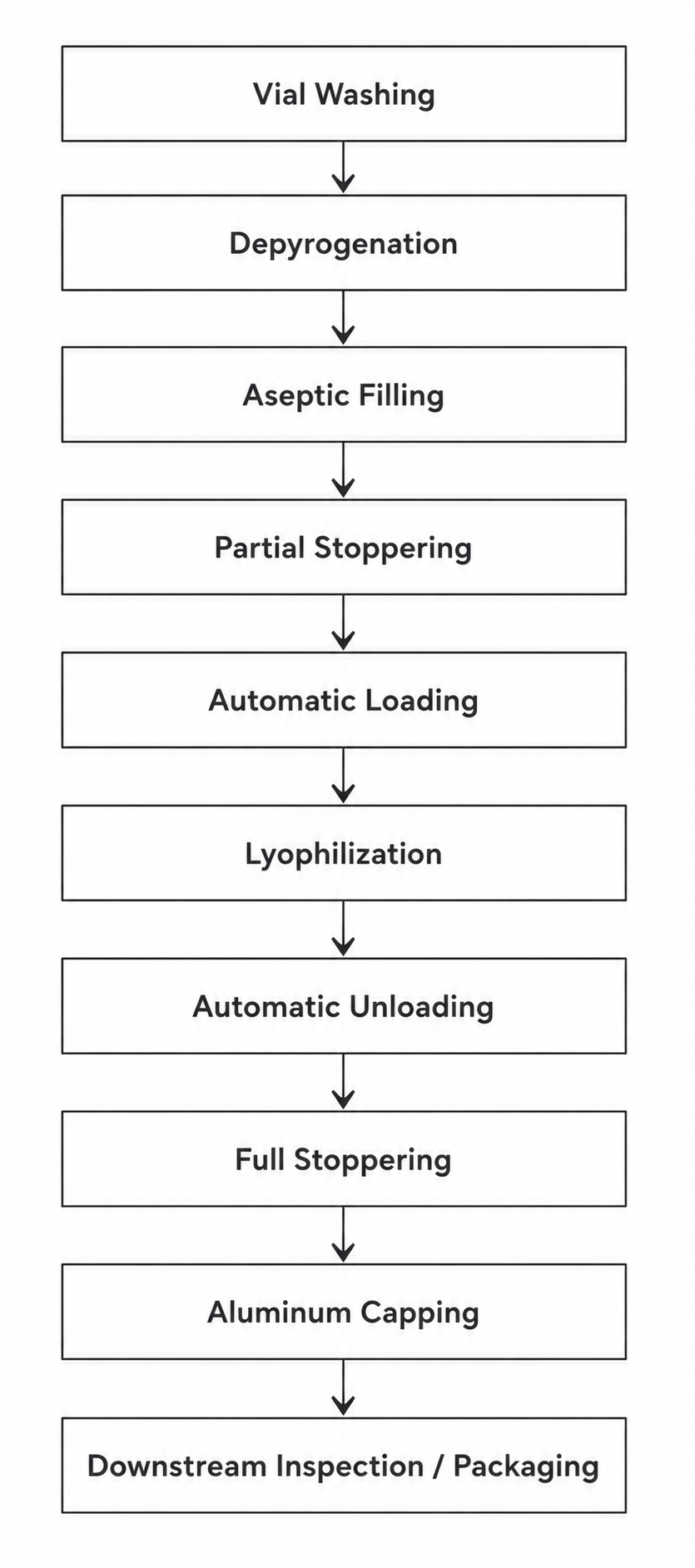
Integrated Vial-to-Lyophilizer Transfer
In an integrated lyophilized injection line, filled and partially stoppered vials can be transferred from the filling machine to the lyophilizer through an automated loading system. After completion of the freeze-drying cycle, the vials can be automatically unloaded, fully stoppered and transferred to the capping machine.
Integrating these stages helps reduce manual handling between critical processing steps and provides a more controlled transfer path for sterile products.
7. What Is the Difference Between a Standalone Lyophilizer and an Integrated Production Line?
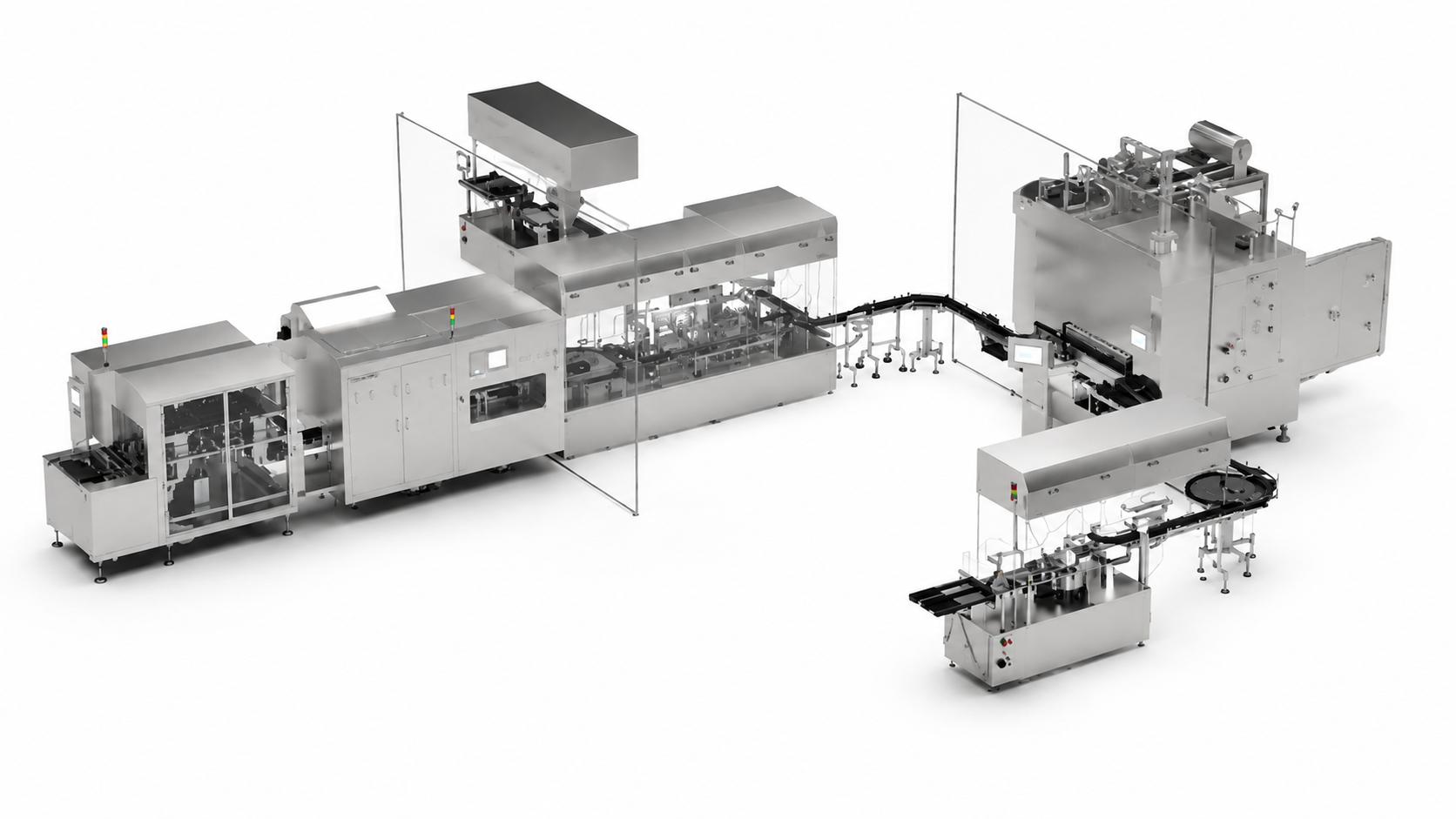
Standalone Lyophilizer
A standalone lyophilizer can perform the freeze-drying cycle, but product filling, stoppering and vial transfer are handled separately.
Integrated Production Line
An integrated system connects vial washing, depyrogenation, filling, partial stoppering, automatic loading, lyophilization, unloading, final stoppering and capping.
For new pharmaceutical plants or sterile injectable expansion projects, the required configuration should be determined according to production capacity, facility layout, aseptic process design and validation requirements.
8. What Vial Filling and Stoppering Systems Are Required Before and After Lyophilization?
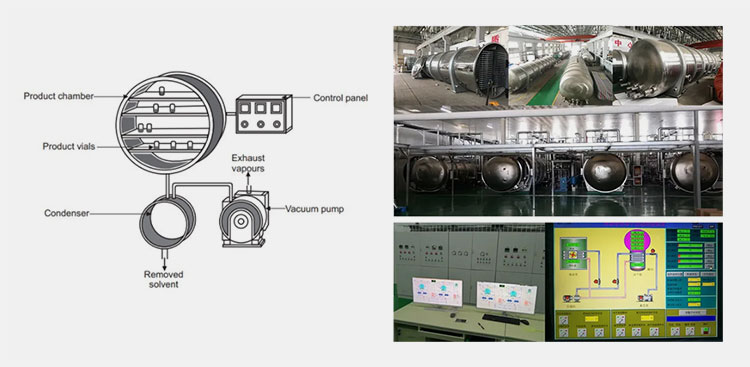
AIPAK ENGINEERING lyophilizer
Before Lyophilization
- Vial Washing
- Depyrogenation Tunnel
- Filling & Partial Stoppering
During Lyophilization
- Lyophilizer
- Loading System
- Barrier System
After Lyophilization
- Unloading System
- Full Stoppering
- Aluminum Capping
9. What Factors Should Be Considered When Selecting a Lyophilized Injection Production Line?
1.Product Characteristics
Define whether the product is suitable for lyophilization and determine its formulation and process requirements.
2.Vial Size
2–20 mL vials
Select vial handling and filling equipment according to the required vial sizes and format-change requirements.
3.Production Capacity
≥130 vials/min
The production capacity should be determined by annual demand, batch size, lyophilizer capacity and required cycle time.
4.Lyophilizer Capacity
Lyophilizer capacity must be considered together with filling speed, batch size, cycle duration and loading/unloading configuration.
5. Aseptic Transfer
Automated loading and unloading should be evaluated together with barrier technology and aseptic process design.
6. Stoppering
Determine whether partial stoppering and full stoppering are required and how the vials are transferred between filling, lyophilization and capping.
7. Data Management
- Siemens PLC
- SCADA
- recipe management
- data recording
- alarms
- secure access
10. What Vial and Closure Components Are Used in a Lyophilized Injection Line?
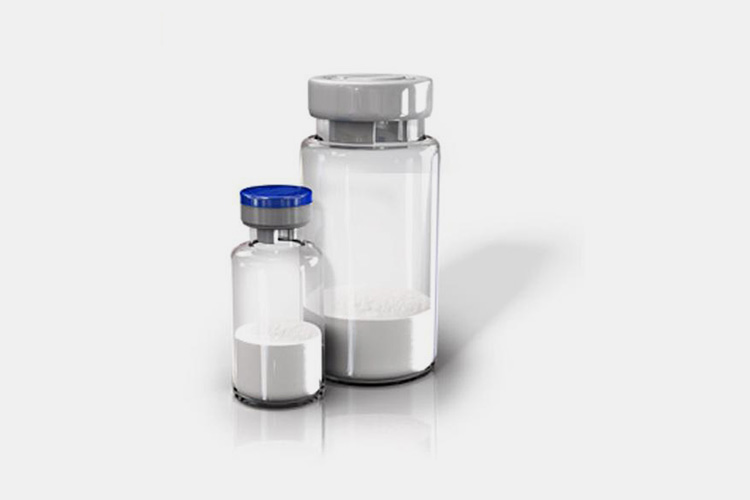
Vials
Glass vials are commonly used for lyophilized injectable products and must be compatible with washing, depyrogenation, filling, freezing and lyophilization conditions.
Rubber Stoppers
The stoppering system uses appropriate stoppers for partial and final stoppering according to the product and packaging specification.
Aluminum Caps
Aluminum caps are applied after final stoppering to secure the vial closure system.
11. How Are Lyophilized Vials Stoppered and Capped?
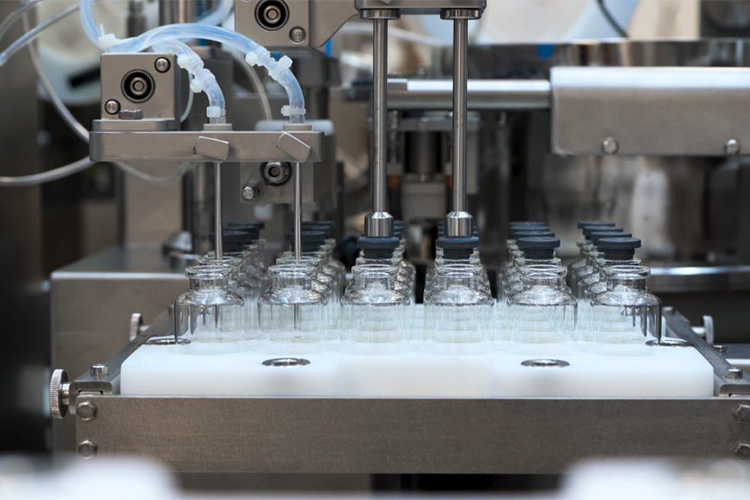
Step 1 — Partial Stoppering
After aseptic filling, vials are partially stoppered before loading into the lyophilizer, depending on the validated process design.
Step 2 — Freeze-Drying
The partially stoppered vials remain in the lyophilizer throughout the validated freeze-drying cycle.
Step 3 — Full Stoppering
After completion of the cycle, the vials are fully stoppered under controlled conditions.
Step 4 — Aluminum Capping
The stoppered vials are transferred to the capping machine, where aluminum caps are applied and crimped.
12.What are the problems during manufacturing Lyophilized Powder for Injection?
Manufacturing lyophilized powder for injection is quite a complicated process in problems are encountered routinely, which results in product instability and loss of yield. Nevertheless, these problems are easily overcome using skilled operators and state-of-the-art equipment.
Some troubleshooting tips for resolving problems associated with manufacturing lyophilized powder for injection are:
Presence of Common Problems During Lyophilized Injection Manufacturing
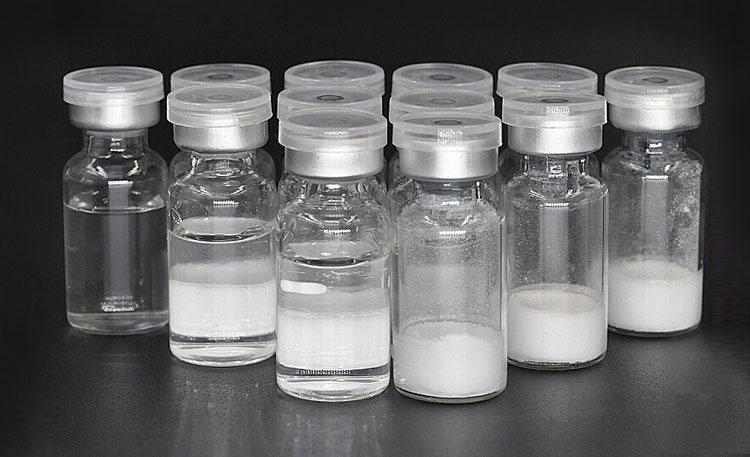
Presence of Residual Solvent
| Problem | Possible Causes | What to Check |
| Incomplete Drying | Inappropriate cycle parameters, loading conditions or product formulation | Freezing, primary drying and secondary drying parameters |
| Fill Volume Deviation | Filling system or process variation | Pump settings, calibration, formulation condition |
| Stopper Pop-Up | Incorrect stoppering or pressure conditions | Stoppering parameters and chamber conditions |
| Contamination | Aseptic handling or environmental control issues | Filling environment, transfer system, cleaning |
| Vial Breakage | Thermal stress or mechanical handling | Loading, unloading, freezing and transport |
| Poor Cake Appearance | Product formulation or freeze-drying cycle | Freezing and primary drying conditions |
Inaccuracy in Fill Volume
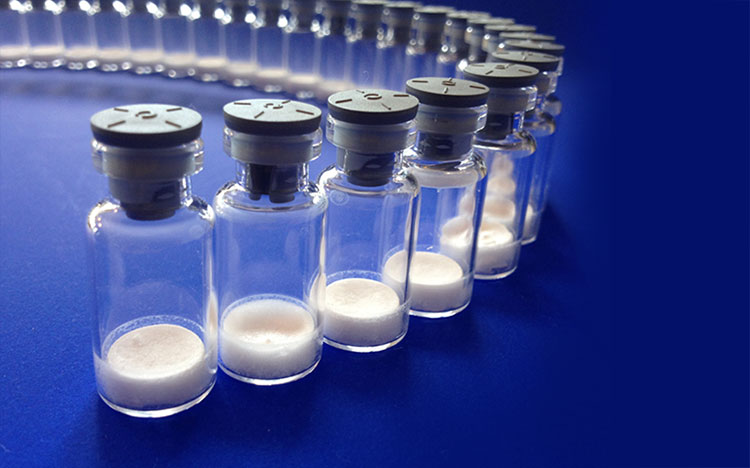
Inaccuracy in Fill Volume- Picture Courtesy: NEB
| Causes | Solutions |
| Filling equipment is defective or damaged.
Improper calibration of filling devices. There are variations in the viscosity of the solution. Presence of foaming. |
Maintain and repair filling equipment.
Properly calibrate the filling devices. Ensure uniformity in the viscosity of the solution. Utilize foaming agents if required. |
Stopper Pop-up
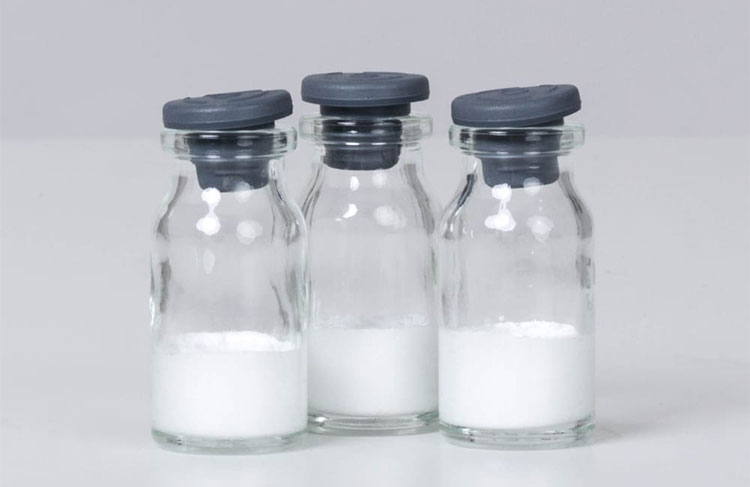
Stopper Pop-up- Picture courtesy: Buchi
| Causes | Solutions |
| Incorrect settings of stoppering parameters.
There is insufficient vacuum at the stoppering step. |
Adjust the settings of stoppering parameters to ensure the correct stoppering process.
Fix the vacuum settings so that there is sufficient generation of vacuum during the stoppering step. |
Contamination of Product
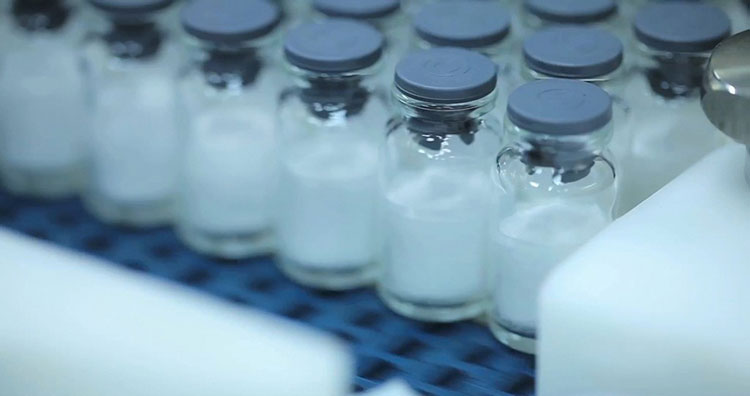
Contamination of Product- Picture Courtesy: Bioprocess Online
| Causes | Solutions |
| Presence of contaminants during filling or stoppering process.
Introduction of particles from rubber stopper. |
Maintain sterility during the filling and stoppering processes.
Use pre-sterile rubber stoppers. |
Breakage of Vial
Breakage of Vial- Picture Courtesy: The Tennessee Tribune
| Causes | Solutions |
| High thermal stress during the lyophilization process.
Rough treatment during handling and transportation. |
Use high-quality vials that can tolerate thermal stress.
Employ gentle handling techniques and utilize cushioning materials during transportation. |
13. What Validation and Documentation Are Required for a Lyophilized Injection Line?
A lyophilized injection production line may require engineering, testing and qualification documentation throughout the project lifecycle.

Depending on the project scope, the documentation package may include:
- Design Qualification (DQ)
- Installation Qualification (IQ)
- Operational Qualification (OQ)
- Performance Qualification (PQ)
- Factory Acceptance Test (FAT)
- Site Acceptance Test (SAT)
- Equipment Layout
- Operation and Maintenance Manuals
- Electrical and control documentation
- Process and utility documentation
For an integrated vial filling and lyophilization project, documentation should also cover the interfaces between filling, loading, lyophilization, unloading, stoppering and capping systems.
Conclusion
A lyophilized injection production line requires coordinated control of vial preparation, aseptic filling, partial stoppering, freeze-drying, final stoppering and capping. AIPAK Engineering provides integrated vial filling and lyophilization solutions with automatic loading and unloading, barrier systems, process control and qualification documentation. Contact our engineering team to discuss the right lyophilized injection production line for your product, vial size and production capacity.
CONTACT US
Tell us your raw material and project budget to get quotations within 24 hours.
WhatsApp:+86 181 6426 8586
Tell us your material or budget, we'll reply you ASAP within 24 hours