How to Select the Right Non-PVC Soft Bag IV Solution Production Line: SRD vs. SRDS Series
Are you struggling to choose the best production line for your pharmaceutical IV fluids? Many factory managers feel overwhelmed by the technical differences between single and double port technologies, fearing a wrong choice could hurt production efficiency. In this guide, I will compare the SRD and SRDS series to help you make the right investment.
The SRD series is ideal for standard single-port IV fluids like saline, offering reliable speeds for basic needs. The SRDS series features double hard ports for complex drug delivery, offering higher speeds and greater flexibility. Both systems use Non-PVC soft bag technology to ensure GMP compliance, high automation, and superior product safety.
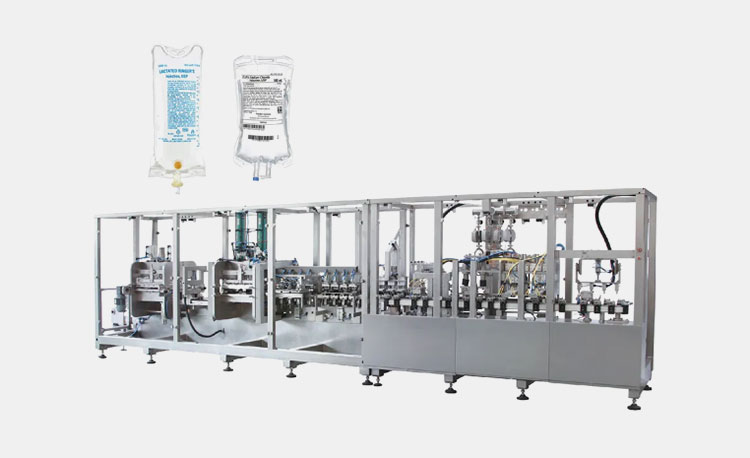
Non-PVC Soft Bag IV Solution Production Line Overview
Selecting the right equipment is the first step toward a profitable pharmaceutical business. However, you must understand the market trends before looking at machine specs.
1.Why is the global pharmaceutical industry shifting from glass bottles to Non-PVC soft bag technology?
Glass bottles were the standard for decades, but they are heavy, fragile, and difficult to transport safely. This creates high logistics costs and safety risks that modern pharmaceutical companies want to avoid. Non-PVC soft bags solve these problems by being lightweight, unbreakable, and chemically stable for sensitive drugs.
Non-PVC soft bag technology is rapidly replacing glass because it eliminates the need for air vents during infusion, reducing contamination risks. It offers superior chemical stability for drugs, lowers shipping costs significantly, and meets strict FDA and GMP safety standards, making it the preferred choice for modern IV solution manufacturing.
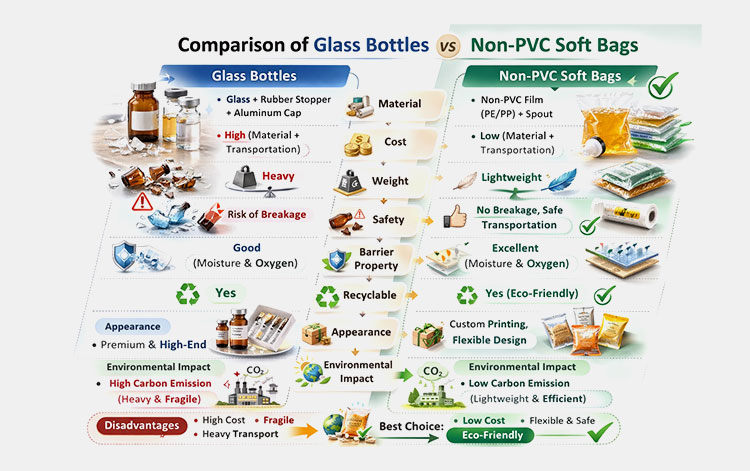
Comparison of Glass Bottles and Non-PVC Soft Bags
In my 10 years at AIPAK ENGINEERING, I have seen the industry change drastically. The shift to Non-PVC is not just a trend; it is a necessity for safety and compliance. Glass bottles require an air vent needle during use. This introduces outside air into the bottle. This air can carry bacteria or dust. Non-PVC bags collapse as they empty. They are a closed system. This prevents contamination.
Also, we must look at the material itself. Non-PVC film does not contain plasticizers like DEHP. These chemicals can leach into the drug solution. This is very dangerous for patients. Non-PVC film is safe and inert. It protects the drug quality.
From a factory manager's perspective, you also care about costs. Glass is heavy. Shipping glass bottles is expensive. They also break easily during washing, filling, or transport. Broken glass stops the production line. It creates a mess and wastes money. Soft bags are durable. They take up less space in a truck. This saves you money on logistics.
When you select a new line, you must think about compliance. The FDA and GMP rules are strict. They prefer packaging that lowers patient risk. Non-PVC bags fit this requirement perfectly. If you want to export your products, you almost certainly need this technology.
| Feature | Glass Bottles | Non-PVC Soft Bags |
| Air Vent Needed | Yes (Risk of contamination) | No (Self-collapsing) |
| Weight | Heavy | Light |
| Breakage Risk | High | Almost Zero |
| Chemical Safety | Good | Good | Excellent (No DEHP) |
| Transport Cost | High | Low |
2.What is the SRD (Single Hard Port) technology and who is it for?
Many manufacturers start with standard IV fluids, but they underestimate the volume required to be profitable. You might struggle to balance machine speed with the physical space available in your cleanroom. The SRD series creates a balance by offering a compact footprint with high output for standard single-port bags.
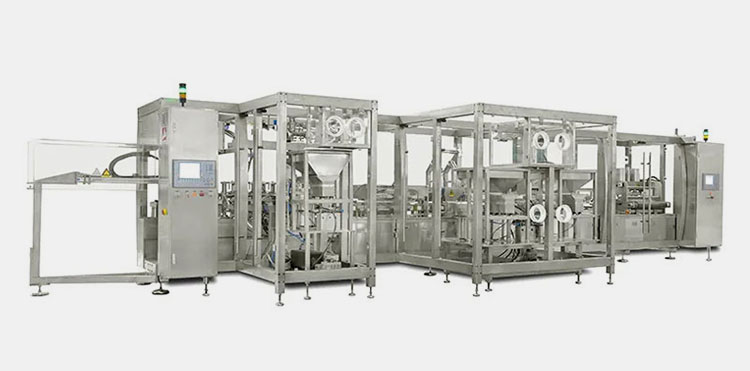
The SRD series utilizes Single Hard Port technology, which is specifically designed for standard large-volume parenterals like Saline (NaCl) and Dextrose. It excels in producing bag sizes from 100ml to 2000ml, providing a cost-effective solution for manufacturers focusing on basic hydration and electrolyte replacement therapies.
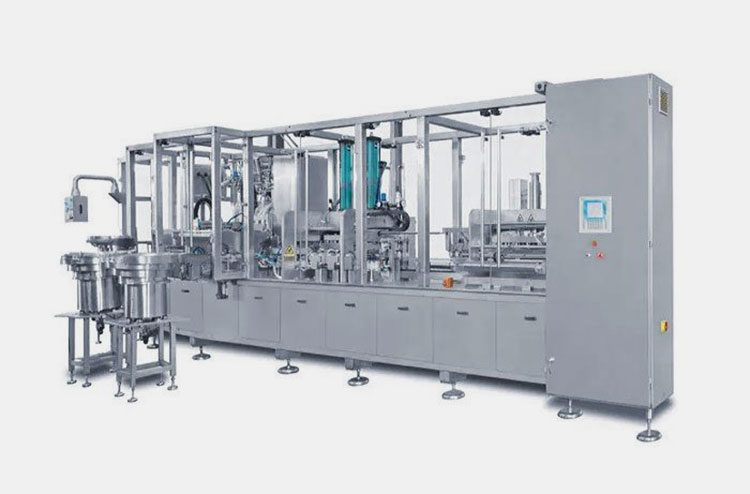
SRD Series Single Hard Port Machine
The SRD series is our workhorse. I always recommend this to clients who want to produce "bread and butter" products. These are the fluids hospitals use every day. Examples are 0.9% Sodium Chloride (Saline) or 5% Glucose. These bags usually have one hard port. This port is for the infusion set spike.
The SRD machine is fully automated. It takes the film roll and forms the bag. It prints the label. It fills the liquid. It seals the port. It does this all in one chamber. We call this "Form-Fill-Seal" or FFS style, but specifically for soft bags.
Let's talk about the SRD5000. This is a very popular model. It is designed for modern cleanrooms. Space is expensive in a cleanroom. You do not want a machine that is too big. The SRD5000 is compact but powerful.
Here is a breakdown of its performance. It can handle a wide range of sizes. You can make small 100ml bags for antibiotics. You can make large 2000ml bags for irrigation.
SRD5000 Performance Benchmark:
- 100ml / 250ml Bags:High speed. It can produce around 3000 to 3500 bags per hour.
- 500ml Bags: This is the most common size. It produces about 2500 to 3000 bags per hour.
- 1000ml Bags: Larger volume takes more time to fill. It produces about 1500 to 2000 bags per hour.
The filling accuracy is critical. Even for saline, you cannot be wrong. The SRD series uses mass flow meters. The error margin is usually within ±1.0% to ±1.5% depending on volume. But for most standard fluids, this is perfect.
If your business model focuses on high-volume, low-margin products, the SRD is your choice. It is reliable. It is simpler to maintain than the double port machines. It gets the job done efficiently.
3.What specific advantages does the SRDS (Double Hard Port) offer?
As your business grows, you will likely want to produce higher-value drugs that require more complex administration methods. Standard single-port bags cannot handle applications where doctors need to add medication to the bag immediately before use. The SRDS series solves this by integrating double hard port technology for advanced medical needs.
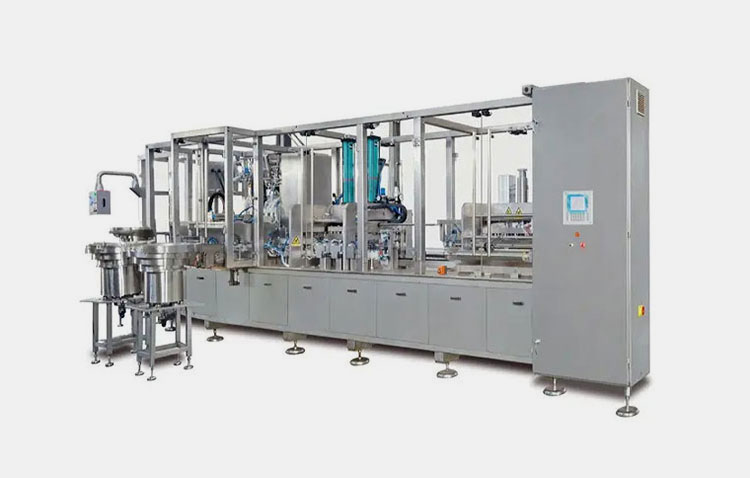
The SRDS series is engineered for complex medical applications like parenteral nutrition and drug reconstitution, featuring two hard ports—one for infusion and one for injection. The SRDS7500 model achieves high speeds of up to 4800 bags per hour while maintaining a strict ±0.3% filling accuracy, making it ideal for high-value pharmaceutical products.
SRDS Series Double Hard Port Machine
The SRDS series is the advanced brother of the SRD. The "S" stands for the specialized double port capabilities. Why do you need two ports? One port is for the infusion set to go to the patient. The second port is an injection port. Doctors use this to inject extra vitamins or drugs into the bag without breaking the sterility of the main line.
I often see clients switch to SRDS when they want to make more money per bag. Products like amino acids, specialized antibiotics, or parenteral nutrition need double ports. These products sell for a higher price than simple saline.
The SRDS7500 is a beast of a machine. It is designed for speed and precision. When you deal with expensive drugs, you cannot waste a single drop. That is why the filling accuracy is tighter. We achieve ±0.3% accuracy on large volumes. This is much better than the standard industry requirement.
Flexibility is another huge advantage here. The SRDS machine can handle different bag widths. We know that different markets prefer different shapes.
- 120mm width:Slim bags, good for packing more in a box.
- 130mm width: Standard size.
- 135mm width: Wider bags, often used for larger volumes.
The machine can switch between these with change parts. This allows you to serve different customers with one line.
Let's look at the capacity vs. precision. The SRDS does not sacrifice speed for quality. It integrates bag making, filling, and sealing into one smooth motion. It uses servo motors for precise control.
SRDS Series Key Capabilities:
| Parameter | Specification | Benefit |
| Port Type | Double Hard Port | Allows drug reconstitution and medication addition |
| Max Speed | 4800 Bags/Hour (SRDS7500) | High output maximizes daily production |
| Filling Accuracy | ±0.3% (Mass Flow Meter) | Reduces waste of expensive drug ingredients |
| Bag Widths | 120, 130, 135 mm | Adapts to different market packaging preferences |
If you plan to produce premium pharmaceutical products, the SRDS is the only logical choice. It gives you the technical capability to compete in the high-end market.
4.How should a buyer decide between these series based on ROI and AIPAKENGINEERING's support?
Buying a production line is a massive financial commitment, and the fear of poor after-sales support or compliance failure is real. You need more than just a machine; you need a partner who understands GMP validation and facility design. AIPAK provides a "One-Stop" solution that ensures your investment turns into profit quickly.
You should choose the SRD series for high-volume standard fluids and the SRDS for high-margin specialized drugs to maximize your ROI. AIPAK ensures success by providing full engineering support, from cleanroom layout design to FDA/GMP validation, backed by 10+ years of experience serving over 500 satisfied customers worldwide.
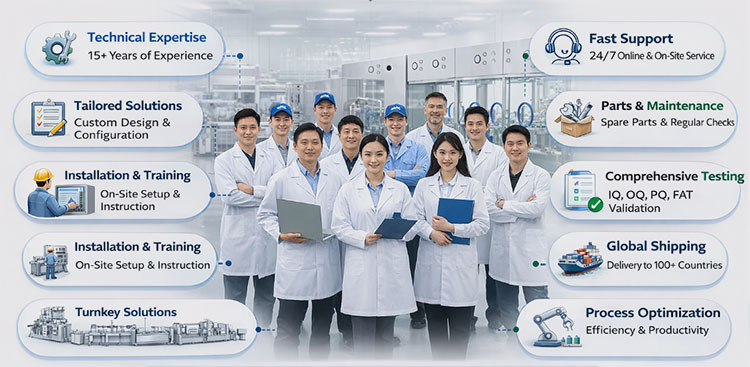
AIPAK Engineering and Support Team
Deciding between SRD and SRDS comes down to your product portfolio. Ask yourself: What am I selling? If you have a government contract to supply 10 million bags of saline, buy the SRD. It is cost-effective. If you are a private pharma company launching a new nutrient therapy, buy the SRDS. The higher machine cost is covered by the higher profit margin of your product.
But the machine is only half the story. The other half is the engineering. At AIPAK ENGINEERING, we do not just ship a crate and say "good luck." We are an engineering company.
I have helped many clients who bought cheap machines from other suppliers. They failed because they could not pass the GMP inspection. The machine was fine, but the process was wrong. We ensure that every line meets rigorous GMP, FDA, and WHO standards.
Our "One-Stop" Service Includes:
- Consultation:We analyze your URS (User Requirement Specification).
- Design:We create the layout for your workshop. We plan the water system, the air handling, and the piping.
- Manufacturing: We build the machine with top components.
- FAT/SAT:We test the machine at our factory and then at yours.
- Validation:We provide the DQ, IQ, OQ, and PQ documents. You need these papers for the FDA.
We integrate the whole process. The bag making, filling, and sealing happens in a sterile air shower. This reduces human contact. Less human contact means less contamination.
Our experience matters. We have been doing this for over 10 years. We have served 500+ customers. We know the common mistakes. We know how to fix them before they happen. When you choose AIPAK, you are choosing a partner who guarantees your production line will run smoothly and legally.
Comparison for Decision Making:
| Factor | SRD Series | SRDS Series |
| Primary Product | Saline, Dextrose, Ringer's Lactate | Amino Acids, Nutrition, Antibiotics |
| Port Style | Single Hard Port | Double Hard Port |
| Investment Level | Moderate | Higher |
| ROI Strategy | Volume-driven (sell many cheap bags) | Margin-driven (sell expensive bags) |
Conclusion
To select the right line, match the series to your product: choose SRD for standard fluids and SRDS for complex drugs. AIPAK ENGINEERING supports both with full GMP compliance and engineering expertise.
Don't forget to share this post!
CONTACT US
Tell us your raw material and project budget to get quotations within 24 hours.
WhatsApp Us: +86 181 7101 8586
 Tell us your material or budget, we'll reply you ASAP within 24 hours