
How Can We Optimize Oral Liquid Production Lines for Glass and Plastic Bottle Versatility?
Do you struggle with slow changeovers when switching between glass and plastic bottles? This downtime costs money. We offer smart ways to make your production line handle both materials easily.
To optimize oral liquid lines for glass and plastic bottles, you must use flexible feeding systems, adaptable filling nozzles, and universal capping heads. This setup reduces changeover time and ensures smooth operations for both fragile glass and lightweight plastic containers.
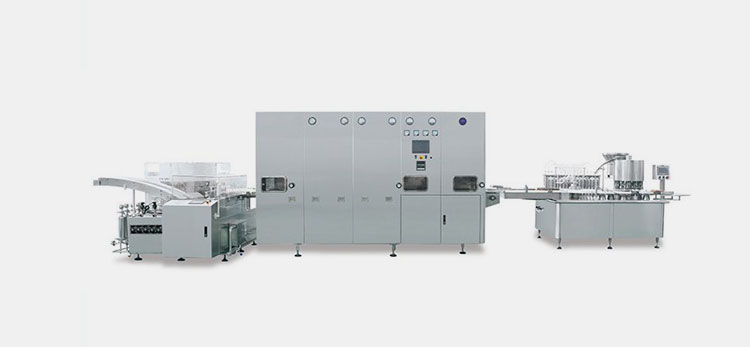
Optimized oral liquid production line
You might think that running two different bottle types requires two completely separate production lines. But what if I told you that a few smart equipment upgrades could solve this problem? Let me show you how we help our clients achieve true production flexibility without breaking the bank.
1.What Are the Main Challenges of Switching Between Glass and Plastic Bottles?
Glass breaks easily, while plastic tips over fast on conveyor belts. These different physical traits cause jams and product waste. We need to understand these differences to fix them.
The main challenges include weight differences, fragility, and varying neck sizes. Glass bottles need gentle handling to prevent breaking. Plastic bottles need stable support to avoid falling over during high-speed filling and capping processes.
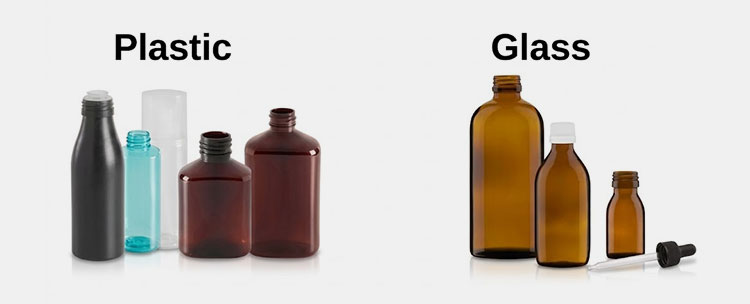
Glass and plastic bottle handling challenges
Understanding Material Differences
When I visit our clients' factories, I often see operators struggling with bottle jams. Glass and plastic behave very differently on a moving belt. Glass is heavy and breaks easily. Plastic is light and falls over. We must break down these physical traits to design a better line.
Why Weight Matters

Heavy glass bottles move steadily but create strong impacts when they hit each other. Light plastic bottles bounce and tip over easily. We solve this by adjusting conveyor speeds and using soft guide rails.
Comparing Glass and Plastic Traits
| Feature | Glass Bottles | Plastic Bottles | Production Impact |
| Weight | Heavy | Light | Needs different belt speeds |
| Fragility | High | Low | Needs gentle handling for glass |
| Rigidity | Hard | Flexible | Needs adjustable capping force |
| Heat Tolerance | High | Low | Needs different washing methods |
By looking at this table, we can see why a single basic machine fails. We must use equipment that adapts to these specific traits. This is how we build a truly versatile oral liquid production line.
2.How Does Equipment Customization Solve Bottle Compatibility Issues?
Standard machines often fail when you change bottle types. This leads to broken glass or crushed plastic. Customized equipment parts adapt to both materials safely and quickly.
Equipment customization solves compatibility issues by using adjustable star wheels, flexible guide rails, and multi-format sensors. These custom parts allow operators to switch between glass and plastic bottles quickly. This keeps the production line running smoothly with minimal manual adjustments.
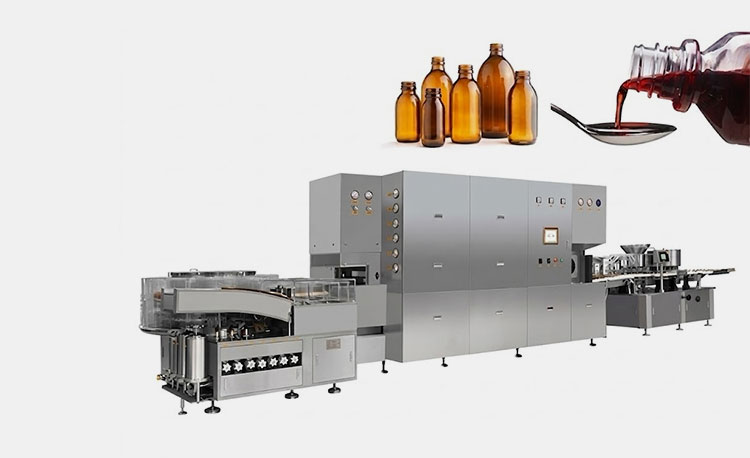
Customized bottle feeding equipment
The Power of Adjustable Parts
In my 15 years of experience at AIPAK, I have learned that fixed machine parts are the enemy of flexibility. We help clients by replacing fixed guides with adjustable ones. This means the same machine can hold a wide glass bottle and a thin plastic bottle safely.
Smart Sensors for Different Materials

Old sensors often fail to see clear plastic bottles. They also get confused by the glare from glass bottles. We install smart optical sensors that detect both materials perfectly. This stops the machine from missing a bottle during the filling process.
Key Custom Parts for Versatility
| Machine Part | Fixed Design Problem | Custom Versatile Solution |
| Star Wheels | Only fits one bottle size | Quick-release multi-size wheels |
| Guide Rails | Scratches or crushes bottles | Adjustable soft-touch rails |
| Sensors | Fails on clear plastic | Multi-mode optical sensors |
| Conveyor Belts | Causes tipping | Variable speed control systems |
When we upgrade these four parts, our clients see an immediate drop in downtime. The changeover from glass to plastic goes from hours to just minutes.
3.Why Is Cleaning and Sterilization Different for Glass and Plastic?
High heat cleans glass well, but it melts plastic bottles instantly. Using the wrong cleaning method ruins your containers. We use smart washing systems that adjust to the material.
Cleaning differs because glass can handle high-temperature steam sterilization, while standard plastic cannot. Plastic bottles require low-temperature chemical washing or ozone sterilization. A versatile production line uses dual-mode washing machines to safely clean both materials without causing damage or melting.
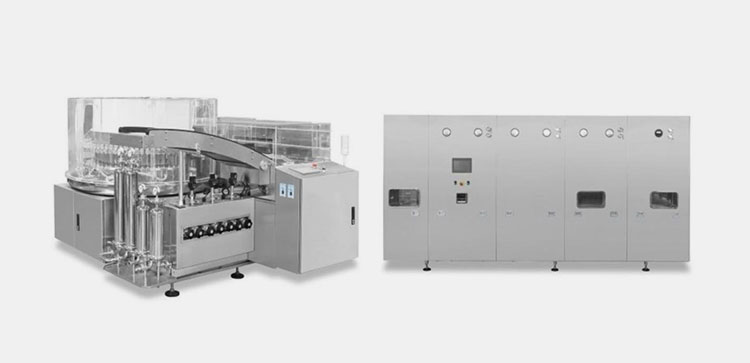
Bottle washing and sterilization machine
Managing Heat Tolerance
I remember a client who accidentally ran plastic bottles through a high-heat glass sterilizer. The bottles melted and ruined the machine. Glass can take heat up to 300 degrees Celsius. Most plastic bottles warp at just 80 degrees Celsius. We must use different cleaning methods.
Dual-Mode Washing Systems
To make a line truly versatile, we install dual-mode washing machines. These machines let you choose the cleaning cycle based on the bottle type. You press one button for high-heat glass cleaning. You press another button for low-heat plastic cleaning.
Sterilization Methods Comparison
| Bottle Material | Best Cleaning Method | Temperature Range | Risk Factor |
| Glass | Hot water and steam | 100°C - 300°C | Breaking from fast heat change |
| PET Plastic | Chemical wash / Ozone | 20°C - 60°C | Melting or warping |
| HDPE Plastic | Warm water wash | 40°C - 80°C | Shape distortion |
By using a washing machine that handles both high heat and chemical cleaning, we protect the bottles. This keeps the oral liquid safe and meets strict production rules.
4.How Can We Ensure Accurate Filling and Capping for Both Materials?
Spilling liquid or applying caps too tightly causes huge product loss. Glass needs gentle capping, while plastic needs firm support. We solve this with precision control systems.
We ensure accuracy by using servo-driven filling pumps and adjustable torque capping heads. Servo motors control the liquid flow perfectly to prevent spills. Adjustable torque heads apply the right amount of pressure to seal the cap without breaking glass or crushing plastic threads.
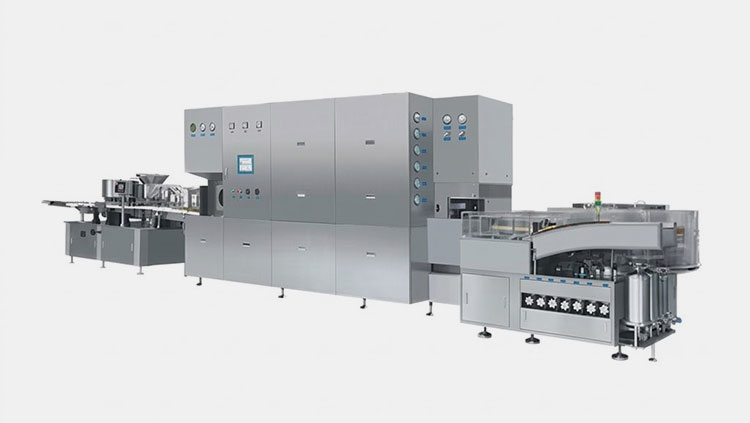
Oral liquid filling and capping machine
Perfecting the Liquid Fill
When we set up a filling machine, we must control the liquid speed. If the liquid fills too fast, it splashes out of the plastic bottle. We use servo-driven pumps. These pumps start fast and slow down at the very end. This keeps the oral liquid inside the bottle.
Mastering the Capping Process
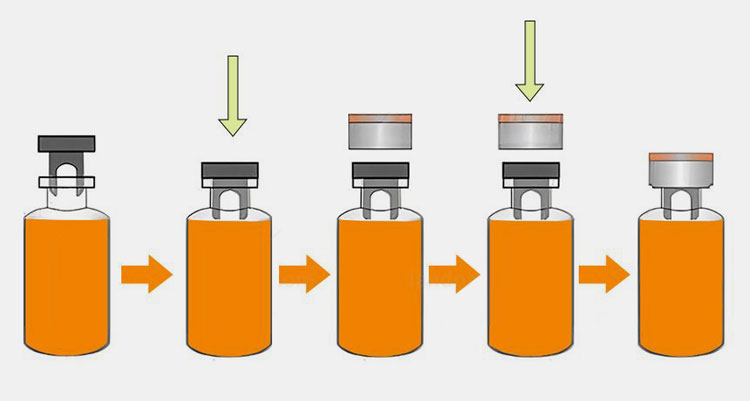
Capping is the hardest part of a versatile line. Glass bottle threads are hard and can chip. Plastic bottle threads are soft and can strip. We use magnetic torque capping heads. These let us set the exact twisting force for each material.
Filling and Capping Settings
| Action | Glass Bottle Setting | Plastic Bottle Setting |
| Filling Speed | Medium to Fast | Slow finish to stop splash |
| Bottle Support | Standard base | Neck support to stop crushing |
| Capping Force | Low to Medium torque | Precise medium torque |
| Cap Type | Aluminum or Plastic | Usually Plastic |
By saving these settings in the machine's computer, operators can switch materials easily. They just select the "Glass" or "Plastic" recipe on the screen. The machine does the rest.
5.Why Is Line Layout Important for Handling Multiple Bottle Types?
A bad factory layout causes bottlenecks and slows down your output. Moving different bottles through tight spaces leads to accidents. We design smart layouts to keep everything flowing smoothly.
Line layout is important because glass and plastic bottles require different turning radiuses and spacing. A well-designed layout uses straight conveyors and buffer zones to prevent bottle jams. This ensures a steady flow of both fragile glass and lightweight plastic containers throughout the entire production process.
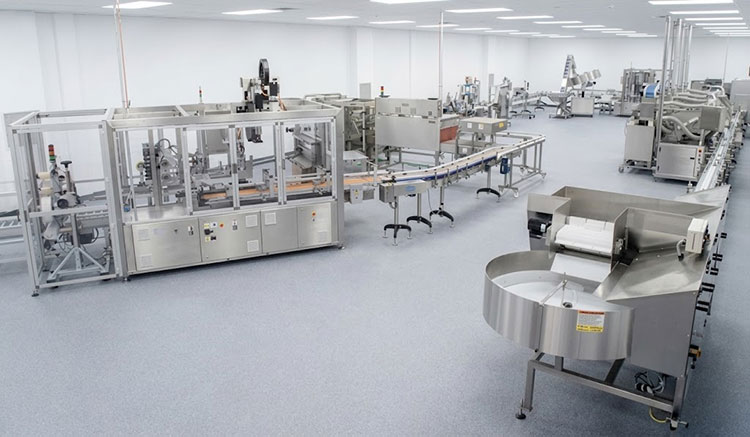
Production line layout and integration
Planning for Smooth Flow
In my time helping clients build new facilities, I notice that layout mistakes cost a lot of money. You cannot force glass and plastic bottles through sharp corners on a belt. Glass bottles will crash into each other and break. Plastic bottles will squeeze together and pop off the line. We must plan the space carefully.
Using Buffer Zones Effectively
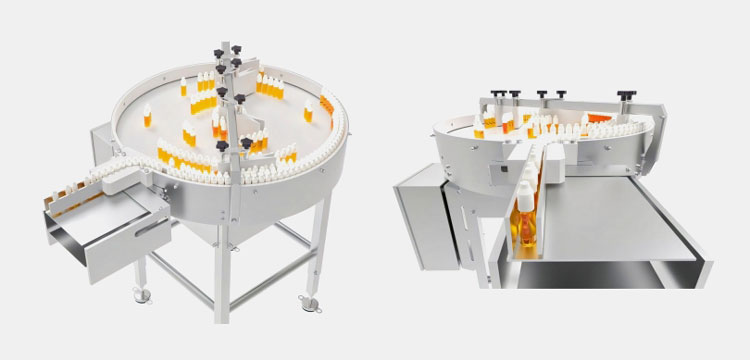
We always add buffer tables between the washing, filling, and packing machines. If the filling machine stops for a moment, the washing machine can keep running. The bottles gather safely on the buffer table. This stops the whole line from shutting down.
Layout Design Rules
| Layout Feature | Benefit for Glass | Benefit for Plastic |
| Wide Turns | Stops glass from hitting hard | Stops plastic from squeezing out |
| Buffer Tables | Lowers pressure on fragile bottles | Keeps light bottles standing up |
| Straight Belts | Reduces chance of tipping | Reduces chance of jamming |
| Smooth Guides | Prevents scratching the glass | Prevents crushing the plastic |
By focusing on a smart, open layout, we help our clients run both materials safely. A good layout makes the machines work better and makes the operators' jobs much easier.
Conclusion
Optimizing your line for both glass and plastic bottles saves time and money. With smart sensors, adjustable parts, and dual-mode cleaning, you can achieve flexible and reliable production easily. Facing a diverse bottle portfolio but limited cleanroom space? Don't let rigid machinery limit your growth. Click here to consult AIPAK’s engineering team for a Free Versatility Audit and a customized 3D plant layout today!
Don't forget to share this post!
CONTACT US
Tell us your raw material and project budget to get quotations within 24 hours.
WhatsApp Us: +86 181 6426 8586
 Tell us your material or budget, we'll reply you ASAP within 24 hours