
Small Volume Parenteral (SVP): The Complete FAQ Guide In 2025
Do you know small volume parenteral (SVP) provides rapid action onset when administered? This small volume parenteral (SVP) therapy has revolutionized disease treatment. Previous methods of delivering drugs are slow and generally ineffective.
However, small volume parenteral (SVP) is rapid, administered intramuscularly, intravenously, and subcutaneously. These provide immediate relief by swiftly reaching the target site. But this requires more skill, certification, and, professionalism to administer them.
Do you know small volume parenteral (SVP) holds special appeal in therapeutics? Are you keen on learning more about small volume parenteral (SVP)? Get your reading glasses and carefully read this comprehensive FAQ guide to get insight into every aspect of small volume parenteral (SVP).
1.How to Define Small Volume Parenteral (SVP)?
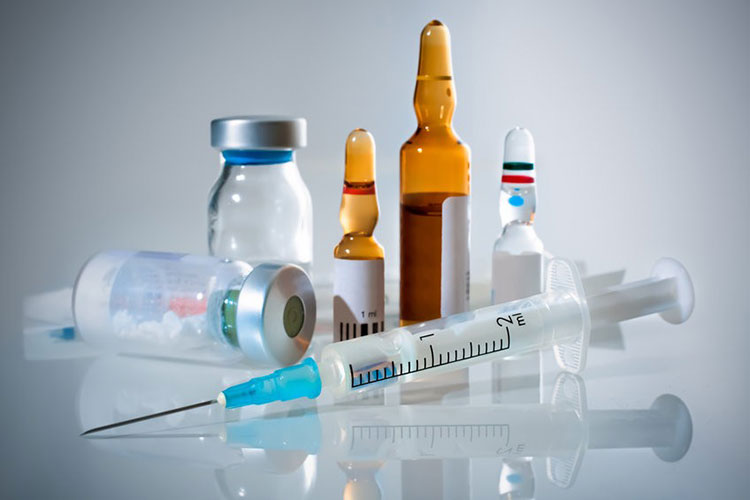
Small Volume Parenteral (SVP)- Picture Courtesy: LinkedIn
These are the sterile pharmaceutical solutions, suspensions, or emulsions packaged in small containers. Small volume parenteral (SVP) is a type of infusion therapy, administered through intramuscular, intravenous, otic, and oral subcutaneous.
Small volume parenteral (SVP) is available in containers having a volume of 100 ml or less. These containers include vials, ampoules, prefilled syringes, and mini-infusion bags.
Small volume parenteral (SVP) includes different pharmaceutical preparations including vaccines, analgesics, local anesthesia, and other emergency care drugs.
2.What are the Pros of Small Volume Parenteral (SVP) Treatment?
Small volume parenteral (SVP) is increasingly used in many therapeutic and emergency cases because it boosts several pros that are useful in clinical settings. These pros are penned below:
Fast Onset of Action

Fast Onset of Action by Small Volume Parenteral (SVP)- Picture Courtesy: James Alexander Corporation
In most cases, small volume parenteral (SVP) is administered using routes like intravenous, intramuscular, or subcutaneous, entering the blood circulation directly and bypassing the digestive tract. Due to this, small volume parenteral (SVP) medications have a quicker onset of drug action. This is important in emergencies.
Bypassing First-Pass Metabolism
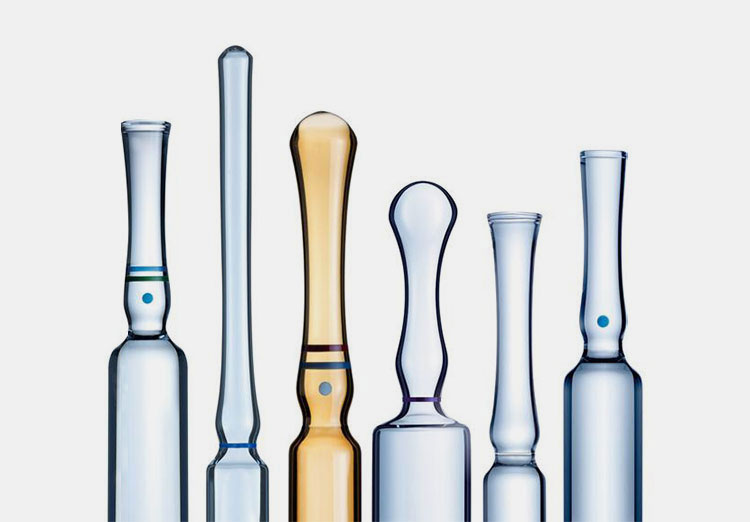
Bypassing First Pass Metabolism by Small Volume Parenteral (SVP)- Picture Courtesy: SCHOTT Pharma
Oral medications go through the digestive tract but this is not the case for small volume parenteral (SVP). These medications do not pass the liver and therefore, avoid first-pass metabolism. First-pass metabolism alters the drug structure, changing the efficacy of treatment.
Precision and Accuracy
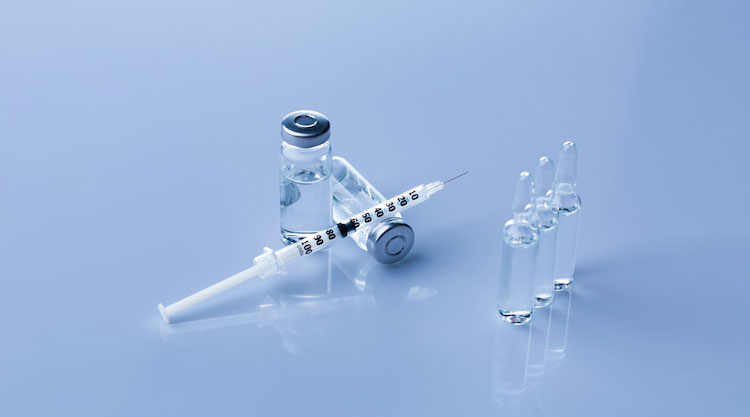
Precision by Small Volume Parenteral (SVP)- Picture Courtesy: Sigma-Aldrich
Since small volume parenteral (SVP) comes in small doses, aiding in having accurate control over the dosage of medications. This is particularly significant for sensitive drugs, where minute differences in drug dosage can have a severe impact on the patient's health.
Higher Bioavailability

Higher Bioavailability by Small Volume Parenteral (SVP)- Picture Courtesy: Bay Shore Bean
As all of the small volume parenteral (SVP) medication enters the bloodstream, hence, this therapy has 100% bioavailability. Due to this small volume parenteral (SVP) has more chances to provide the required relief to the patients.
Best For Patients with Digestive Problems
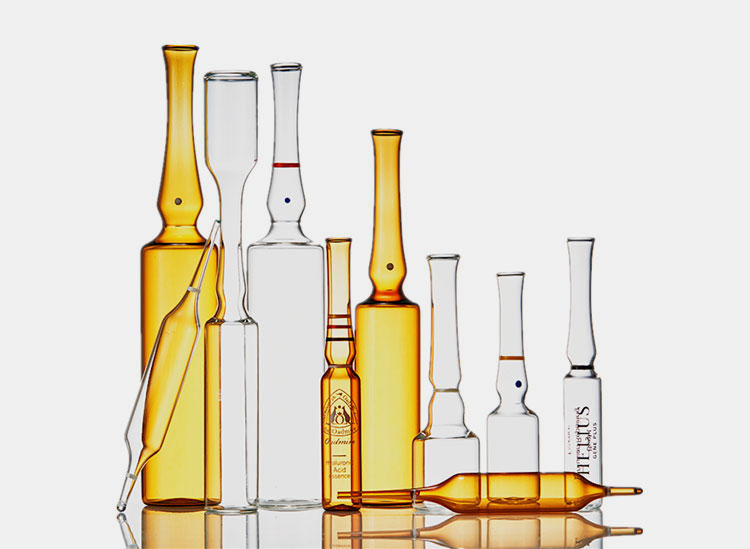
Best For Patients with Digestive Problems
Small volume parenteral (SVP) is also recommended for patients, who have trouble swallowing, cannot absorb medication by the oral route, and have nausea, and vomiting. Therefore, small volume parenteral (SVP) is suitable for patients. who experience digestive problems.
Free of Contamination

Contamination-Free by Small Volume Parenteral (SVP)- Picture Courtesy: thairghs.com
Small volume parenteral (SVP) is free of contamination because it is packed in sterile and closed containers like prefilled syringes. These formulations are prepared, filled, and packed under stringent aseptic conditions so they do not have any kind of contamination.
Delivery of Irritant Drugs
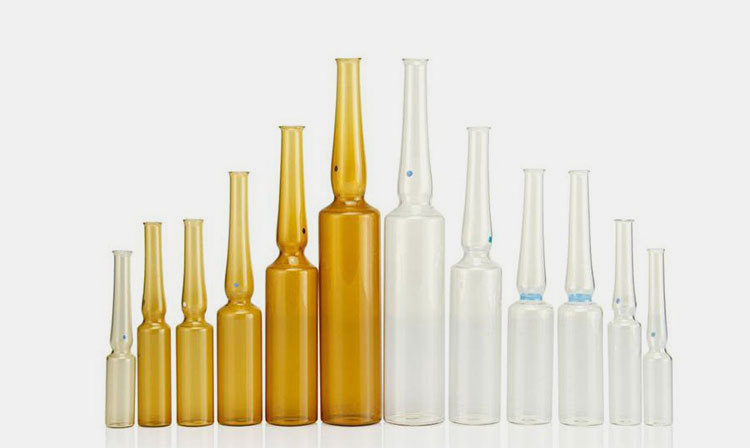
Delivery of Irritant Drugs by Small Volume Parenteral (SVP)- Picture Courtesy: Jiaxing Glass
Sometimes, drugs taken orally can cause adverse reactions and irritate the inner tissues of the digestive tract, significantly impacting the health of individuals. Therefore, small volume parenteral (SVP) is an alternative to these oral medications and can deliver irritating drugs safely into the bloodstream.
3.What are the Types of Small Volume Parenteral (SVP)?
There are different types of small volume parenteral (SVP) depending upon the dosage form. in brief, these are discussed below:
Solutions

Small volume parenteral (SVP) Solution- Picture Courtesy: Packaging Technology Today
Small volume parenteral (SVP) is prepared by dissolving solute thoroughly in the solvents. Due to their liquid form, solutions are quickly absorbed in the bloodstream. These solutions are easily prepared without much preparation.
Suspensions
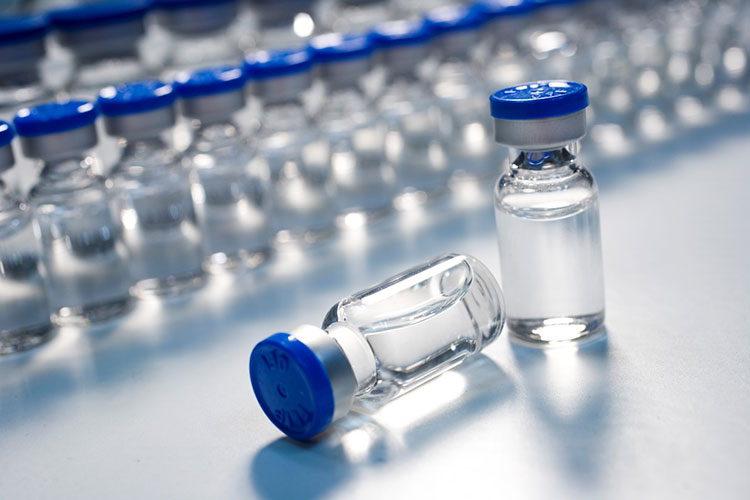
Small volume parenteral (SVP) Suspension- Picture Courtesy: Piston Medical Limited
Solid particles of drugs are completely scattered in the suspension heterogenous mixture. These small volume parenteral (SVP) contain incompletely dissolved solutes in the liquid solvents. These are shaken well before usage to allow the uniform distribution of the drug. Suspensions of small volume parenteral (SVP) are used for sustained-release drugs.
However, these particles settle below and present problems in dose accuracy.
Emulsions
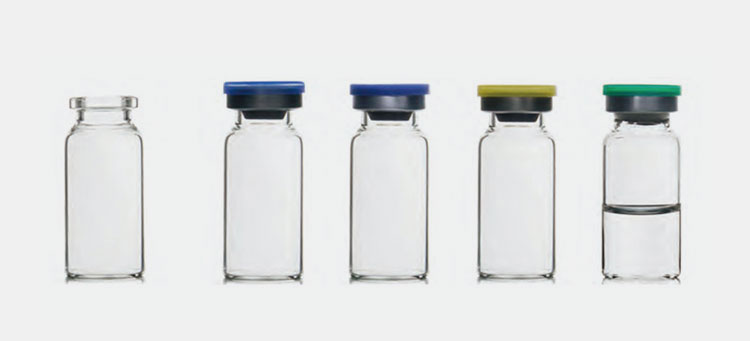
Small volume parenteral (SVP) Emulsion- Picture Courtesy: Huayi Isotopes Co.
These formulations are prepared by mixing one immiscible liquid with another. An emulsifying agent is used in the formulation of small volume parenteral (SVP). Examples include different lipid emulsions.
Powders
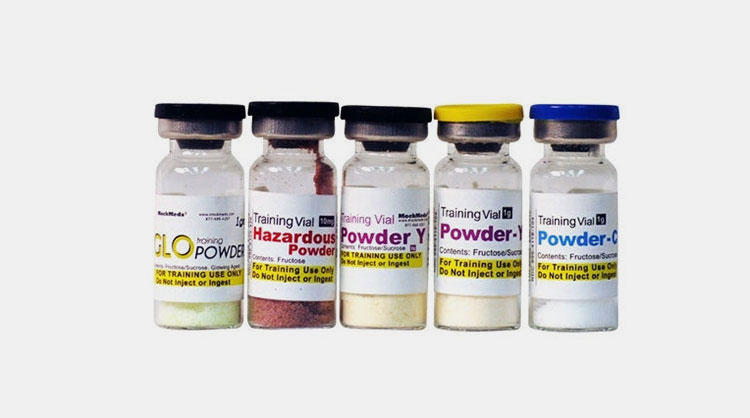
Powdered Small Volume Parenteral (SVP)- Picture Courtesy: Mockmeds
Small volume parenteral (SVP) also includes powders for reconstitution. These are the aseptic powders packed in the vials. Diluents like sterile water and saline are added to the vials for reconstituting the powders. These powders are freeze-dried by removing water. This process increases the stability and prolongs the shelf-life of the reconstituted powders.
4.What are the Uses of Small Volume Parenteral (SVP)?
Small volume parenteral (SVP) has a broad range of uses in medical and hospital settings. These medications are indispensable in therapeutics because of their contamination-free manufacturing and efficacy. The uses of small volume parenteral (SVP) are discussed below:
Emergency Settings
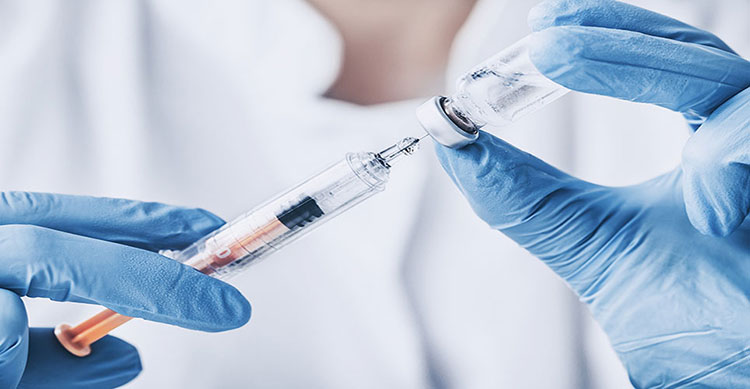
Emergency Setting- Picture Courtesy: Hospital Pharmacy Europe
Yes, small volume parenteral (SVP) has important use in emergency care because it rapidly delivers life-saving drugs to the site of action. Their examples include epinephrine, atropine, and nitrates. These are used to cure life-threatening disorders.
Anesthesia
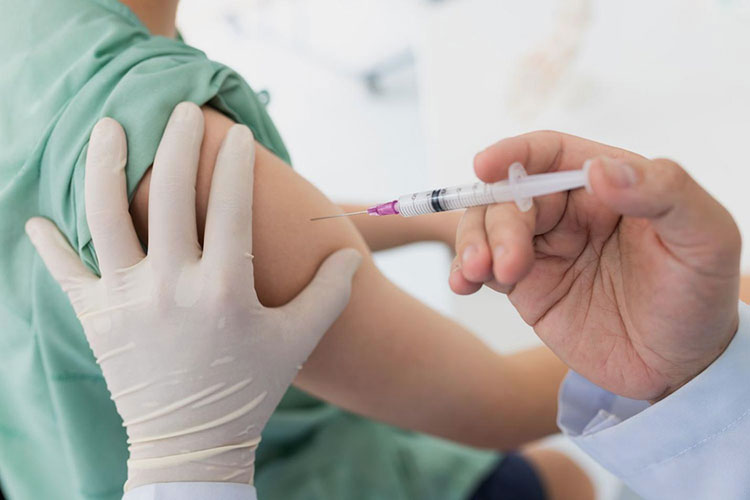
Anesthesia- Picture Courtesy: Homage Malaysia
Small volume parenteral (SVP) is also injected as local and general anesthesia during surgical processes. These medications rapidly act and numb particular site of the body or temporally makes patients unconscious for different invasive surgeries. Examples of these small volume parenteral (SVP) include propofol, ketamine, etc. These induce aesthesia, sustain it or are also used as analgesics.
Pain Management
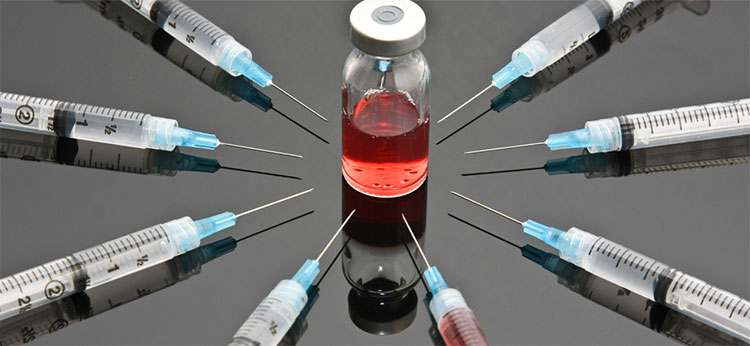
Pain Management- Picture Courtesy: Healthline
Small volume parenteral (SVP) is also injected into the bloodstream to cure the pain levels quickly. Opioids and non-opioids are effective in managing both acute and chronic pain. This small volume parenteral (SVP) is essential in settings where oral ingestion of analgesics is not feasible.
Infection Control
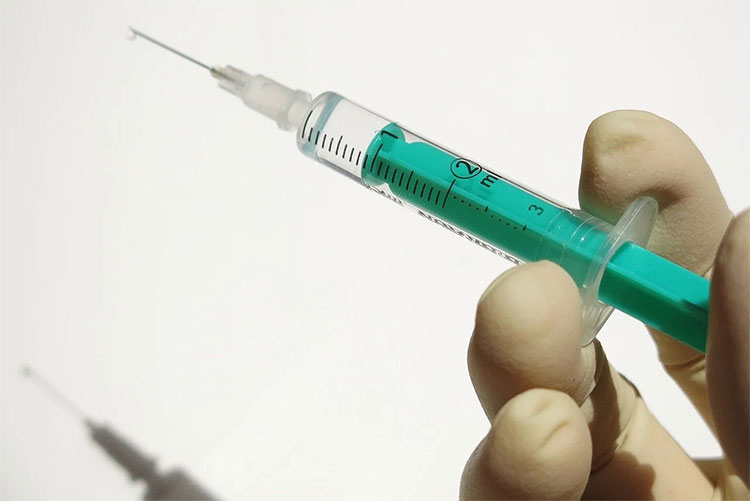
Infection Control- Picture Courtesy: Hippopx
In serious and life-threatening infections, where rapid onset of antibiotics and antivirals are required, small volume parenteral (SVP) is injected directly into the systematic circulations. These drugs are not affected by first-pass metabolism, thus rapidly attaining the required therapeutic levels.
Chemotherapy
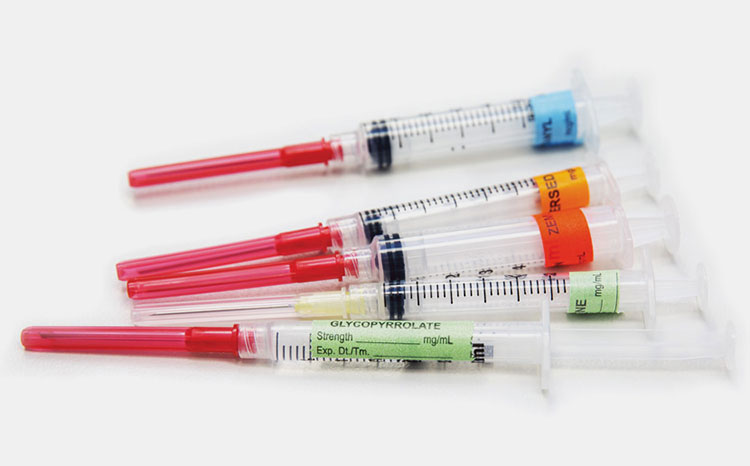
Chemotherapy- Picture Courtesy: Article | Outpatient Surgery Magazine
Small volume parenteral (SVP) is used as an anti-cancer agent in treating cancerous patients. These agents are corrosive, deteriorating the inner gastrointestinal tract lining, so they are administrated directly into the bloodstream. Moreover, these agents require precise dose control and, thus are dispensed in small doses.
Nutritional Support
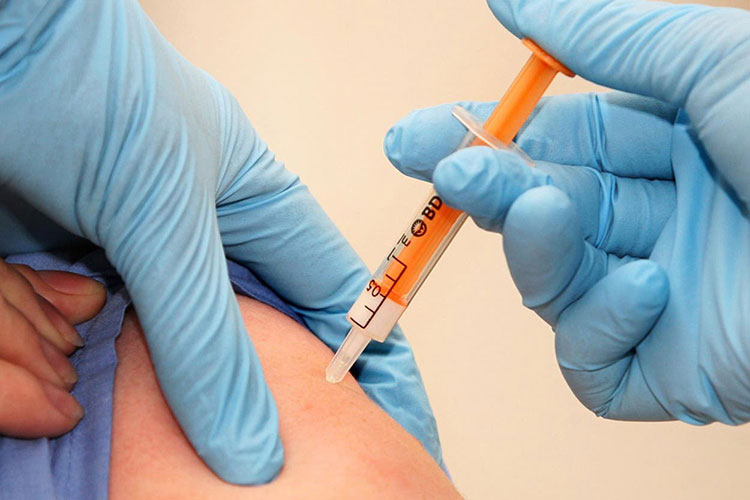
Nutritional Support- Picture Courtesy: Financial Times
Sometimes, it is difficult for patients to absorb nutrition through the digestive tract so small volume parenteral (SVP) is also used for providing nutrients like minerals, vitamins, fats, and other amino acids. This small volume parenteral (SVP) as a nutritional support is also used in cases of malnutrition and recovery from surgeries.
Vaccinations
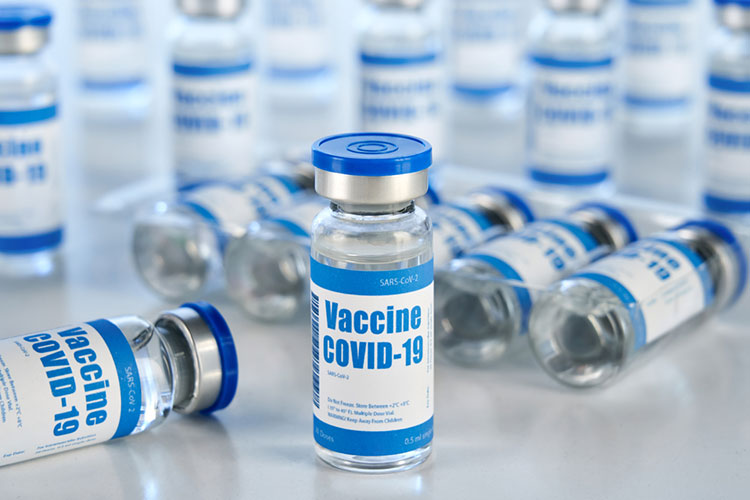
Vaccination- Picture Courtesy: European Pharmaceutical Review
Small volume parenteral (SVP) is also used as a vaccine to provide immunity. This medical intervention is useful when accurate dosage and rapid onset of drug action are required.
Hormonal Treatment
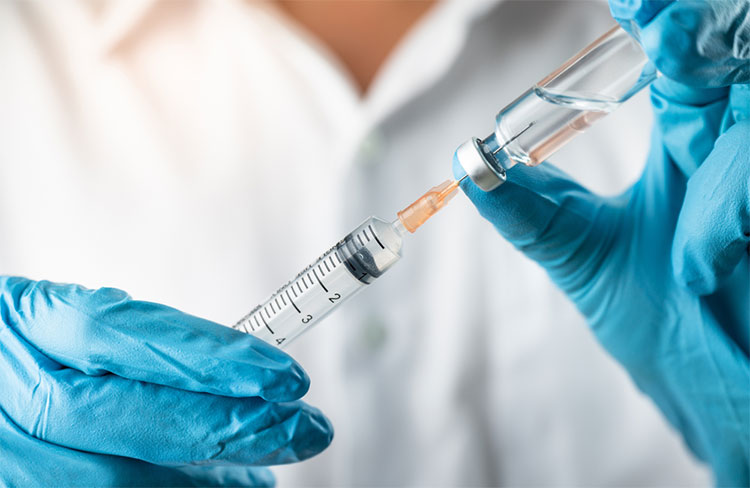
Hormonal Therapy- Picture Courtesy: Mayo Clinic Health System
Small volume parenteral (SVP) is also used as a hormonal agent to treat different metabolic diseases like diabetes. In this disease, insulin-controlled doses are maintained by administrating these substances. This increases the bioavailability and decreases degradation linked with the oral route.
Fluid Management
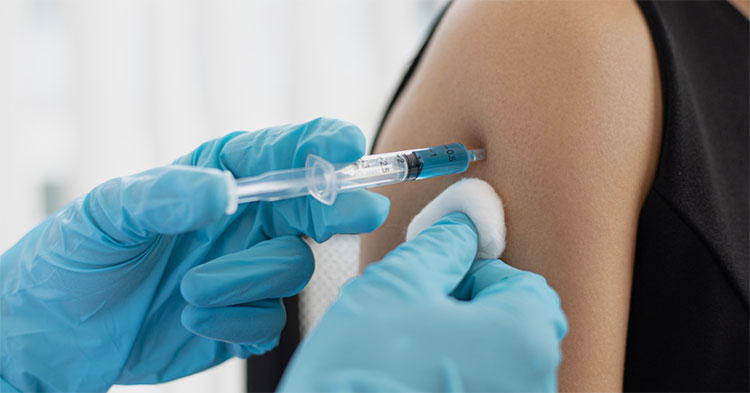
Fluid Management- Picture Courtesy: Homage Malaysia
Small doses of small volume parenteral (SVP) are directly dispensed in the bloodstream to cure major electrolyte and fluid imbalances. This offers a controlled approach to reinstate electrolyte imbalance. This therapy also corrects patient homeostasis and supports body functions.
Chronic Disease Management
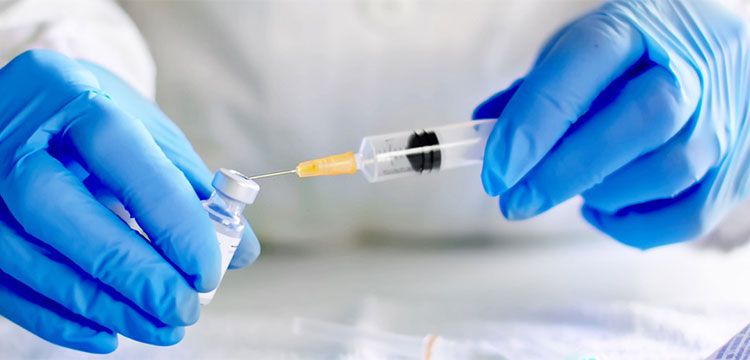
Chronic Disease Management- Picture Courtesy: Johns Hopkins Medicine
Small volume parenteral (SVP) has a special place in treating chronic diseases like rheumatoid arthritis, Crohn’s disease, or multiple sclerosis. Effective and targeted therapy is achieved using small volume parenteral (SVP) in these diseases. It allows us to better treat the symptoms of the disease.
5.Are There Any Risks Associated with Small Volume Parenteral (SVP)?
Although this therapy is very significant in healthcare settings, it is not free from risks. Some of these risks can be fatal to the human body, so a great deal of care is required when administrating small volume parenteral (SVP) therapy. Some of these risks are:
Fever

Pyrogens- Picture Courtesy: Complete Care
If care is not taken during the preparation of small volume parenteral (SVP), pyrogens could contaminate the formulation, causing pyrogenic reactions in the body like fever or serious inflammatory reactions.
Adverse Reactions
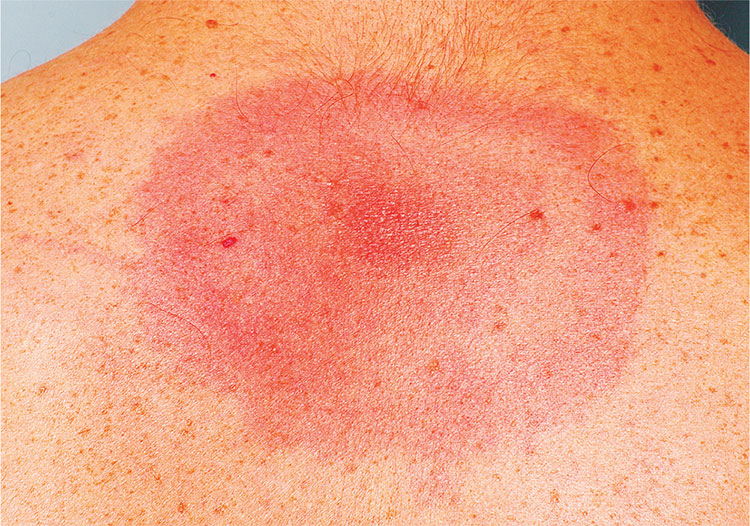
Adverse Reactions- Picture Courtesy: Basicmedical Key
After administration of small volume parenteral (SVP), sometimes mild to severe adverse reactions occur in the patients like nephrotoxicity, hepatoxicity, and neurological issues. These adverse reactions could be fatal.
Compatibility Issues
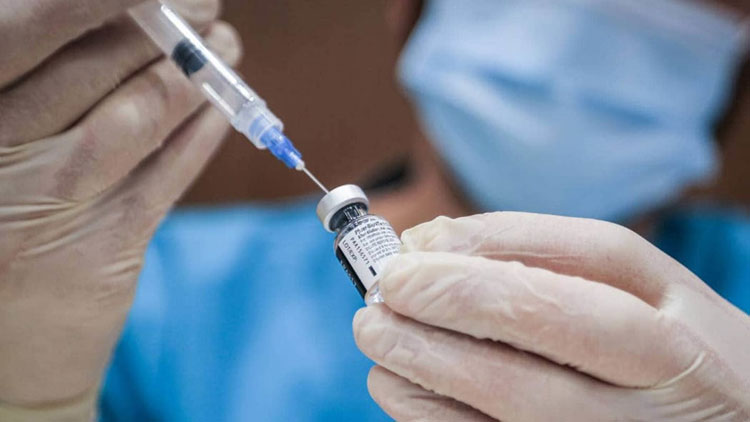
Compatibility Issues- Picture Courtesy: RNZ
When small volume parenteral (SVP) and other drugs are given simultaneously to the patients, it will sometimes cause chemical reactions leading to physical precipitations in the body and affecting response to small volume parenteral (SVP).
Air Embolism
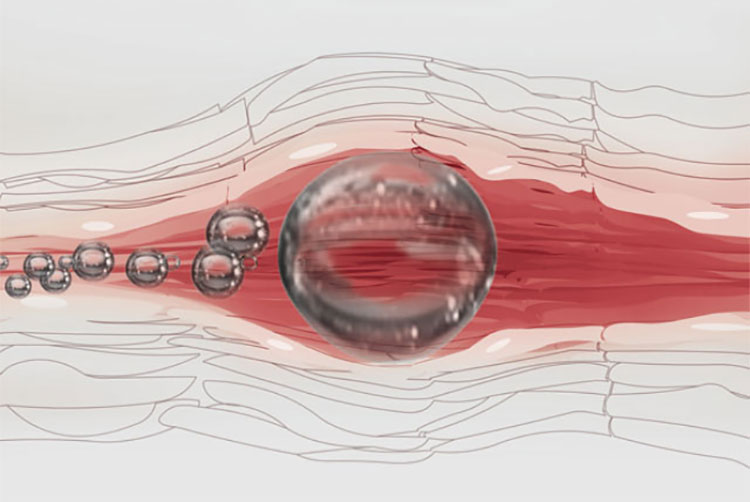
Air Embolism- Picture Courtesy: Vascular Access
Sometimes when small volume parenteral (SVP) injection is administered to the bloodstream, it accidentally introduces air bubbles in the blood which could be fatal if these air bubbles block the flow of blood. However, minor cases of air embolism are without any symptoms.
Electrolyte Imbalance

Electrolyte Imbalance- Picture Courtesy: Dr. Axe
If small volume parenteral (SVP) containing different electrolytes for instance, sodium bicarbonate or potassium chloride is administered inaccurately or in high amounts then it will cause electrolyte imbalance in the body.
Fluid Overload

Fluid Overload- Picture Courtesy: Healthline
Sometimes, if small volume parenteral (SVP) is given too quickly then fluid overload can occur in patients especially those who have compromised heart and renal function. The symptoms of fluid overload include edema, pulmonary congestion, and heart failure.
Medication Error
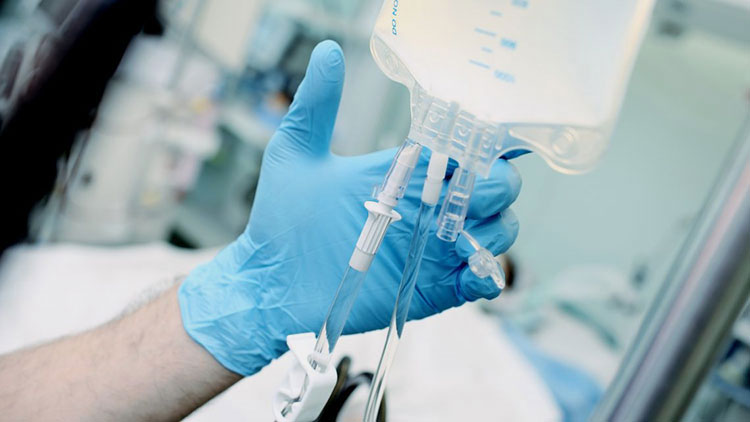
Medical Errors- Picture Courtesy: Medical Product Outsourcing
If small volume parenteral (SVP) is not prepared properly or dosage calculations are not performed when injecting the medication, then it could lead to overdosing or underdosing, affecting treatment efficacy and causing adverse reactions in the patients.
Allergic Reactions

Allergic Reactions- Picture Courtesy: GoodRx
During the administration of small volume parenteral (SVP), the patient may experience different allergic reactions like mild rashes and severe hypersensitivity reactions that are fatal. These allergic reactions must be observed.
6.What are the Differences between Small Volume Parenteral (SVP) and Large Volume Parenteral (LVP)?

Small Volume Parenteral (SVP) and Large Volume Parenteral (LVP)- Picture Courtesy: Brevetti Angela
These are both forms of medication but there are some major differences between small volume parenteral (SVP) and large volume parenteral (SVP). Let’s explore the differences between these two forms of therapeutics.
| Parameters | Small Volume Parenteral (SVP) | Large Volume Parenteral (LVP) |
| Volumes | It is available in volumes less than 100 ml. | These are available in volume ranging from 101 ml to 1000 ml. |
| Routes | Small volume parenteral (SVP) is generally administered in intravenous, intramuscular, and subcutaneous routes. | Their usual route of administration is intravenous. |
| Dosage | It is available both in single and multiple doses. | Large volume parenterals (LVP) are available in multiple doses. |
| Perseverative | Preservatives are used in the small volume parenteral (SVP). | In their preparation, preservatives are not used. |
| Buffer | Buffer is added in its formulation. | Buffers are not added during their production. |
| Isotonicity | It is not essential in small volume parenteral (SVP). | Isotonicity is essential in the production of large volume parenteral (LVP). |
| Formulation | It is available in powder, solution, suspension, and emulsion forms. | It is available in solution and oil in water emulsion. |
| Containers | It is packed in vials, prefilled syringes, ampoules, and mini IV bags. | It is filled with bottles and IV bags. |
7.How Small Volume Parenteral (SVP) is Produced?

Manufacturing of Small Volume Parenteral (SVP)- Picture Courtesy: TSA Process Equipments

Small Volume parenteral (SVP)- Picture Courtesy: LinkedIn
Small volume parenteral (SVP) is prepared through a series of steps, which are discussed below:
| Purification | In the first step, water for injection is prepared by passing water through different filtration steps. Distillation and deionization are carried out to obtain water in purified form. |
| Ingredient Selection and Mixing | In this step, different ingredients like drugs, buffer, preservatives and water are prepared and mixed homogenously or heterogeneously to achieve solution, suspension, or emulsion preparation. |
| Sterilization | These different preparations are heated and irradiated to remove different pathogens and microbes from the preparation. These preparations are passed through different series of filters to remove impurities. Furthermore, packaging containers and different closures are also sterilized to eliminate any chances of contamination by microbes. For the sterilization of containers, different approaches like chemical sterilization, gamma radiation, and autoclaving are used. |
| Filling and Sealing | After sterilization, the small volume parenteral (SVP) preparation is loaded into the containers immediately after filling, these containers are sealed by closures. The filling steps take place under the aseptic environment using an isolator and laminar airflow hoods. |
| Quality Inspection | In the final step, the quality of the filled containers is checked through different methods. These steps also ensure sterility, pH, absence of particulate matter, and packaging integrity. |
8.Why Isotonicity Not Required in Preparation of Small Volume Parenteral (SVP)?
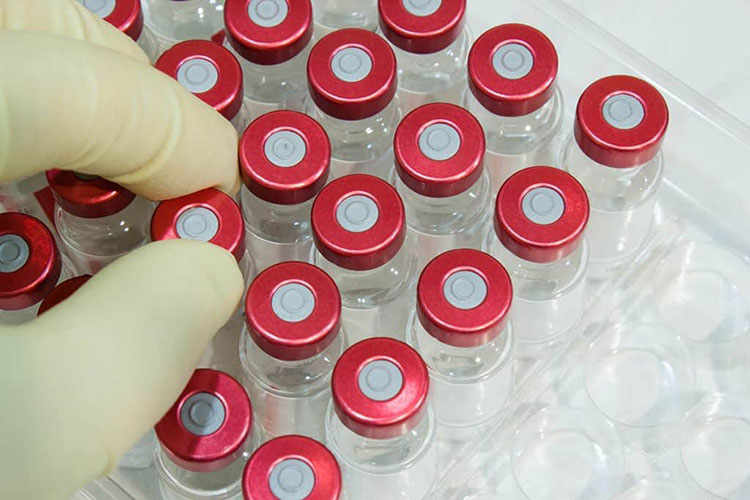
Isotonicity in Small Volume Parenteral (SVP)- Picture Courtesy: IV Fluids - Parenteral Solutions
Isotonicity is not always essential when preparing small volume parenteral (SVP) because this preparation is added in small quantities in the bloodstream, diluting immediately by the blood fluid.
Secondly, it is directly injected into the target tissues unlike large volume parenteral (LVP) that are injected in the bloodstream for an extended period. Hence, the latter is required to be isotonic. There is no chance of irritation with mild isotonic small volume parenteral (SVP) because of its short dwell time.
Lastly, the drugs used in the preparation of small volume parenteral (SVP) are naturally isotonic and hence, do not need any special isotonic agents.
9.What are Packing Containers for Small Volume Parenteral (SVP)?
There are different types of packing containers for small volume parenteral (SVP) such as:
Prefilled Syringe
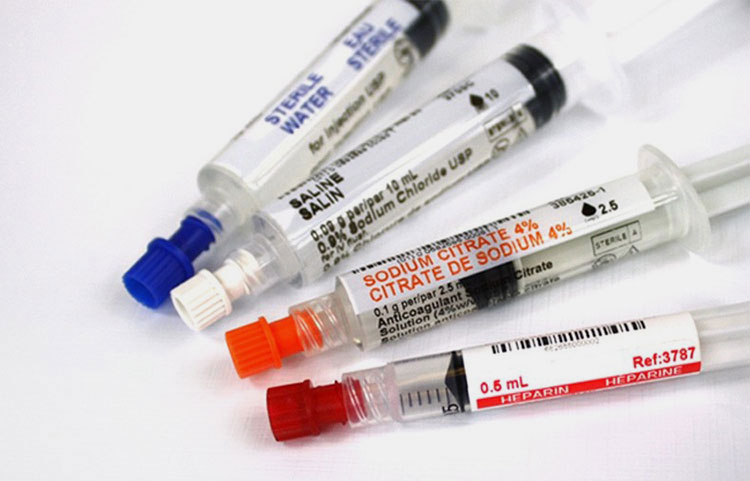
Prefilled Syringes- Picture Courtesy: LinkedIn
It is a single-dose container, having prefilled doses of medication. It is disposable and has a needle attached for the convenience and safety of the operators. It reduces the chances of needle punctures in the workforce. It also contains accurate doses of medication, and thus is easily used. It is easily transported in different hospital settings. However, it is most costly.
Vials
These are small containers made of glass and contain both liquid form and powdered form (lipolyzed) of small volume parenteral (SVP. The vials are cost-effective containers and contain numerous types of small volume parenteral (SVP). There are two kinds of vials.
Single Dose Vials
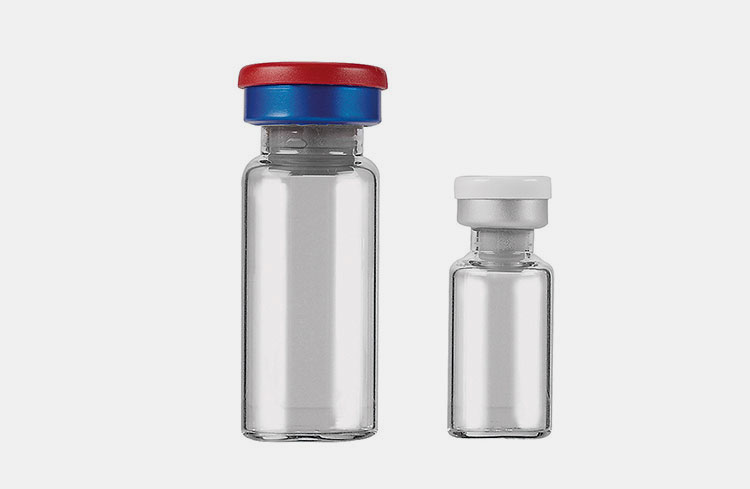
Single-dose Vial- Picture Courtesy: Adelphi Healthcare Packaging
They have only one dose of small volume parenteral (SVP) and do not contain preservatives. These vials are wasted after the usage of medication to prevent contamination risk.
Multi-Dose Vials
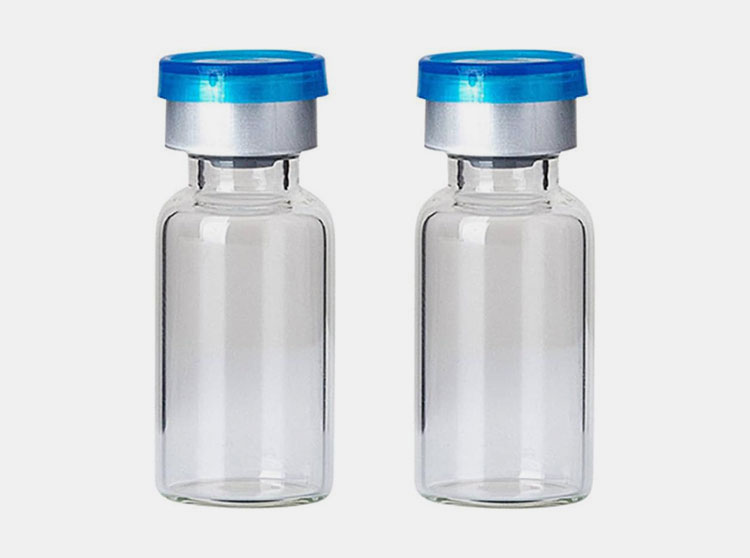
Multi-Dose Vials
These vials house numerous doses of small volume parenteral (SVP) and usually have preservatives to avoid microbial contamination after unsealing the vial.
Ampoules
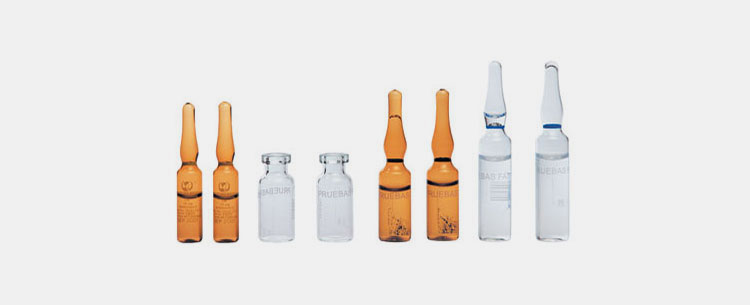
Ampoules- Picture Courtesy: ALTECH: labelling machines
These are smaller than vials, made up of glass, and contain a single dose of the small volume parenteral (SVP). They have a tapered shape and are snapped for opening. They are completely sealed and do not carry contamination risk. They are cost-effective and offer better light protection. However, they are not easily accessible and operators could be cut while opening ampoules.
Mini Infusion Bags
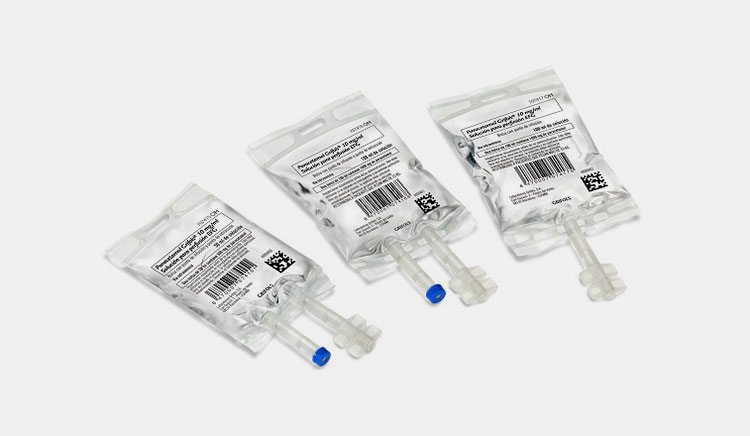
Mini Infusion Bags- Picture Courtesy: CPHI Online
These are small bags made up of plastic film and contain 25 ml to 250 ml volume of small volume parenteral (SVP). They are used for delivering medications intravenously.
10.What is Production of Small Volume Parenteral (SVP) Made of?
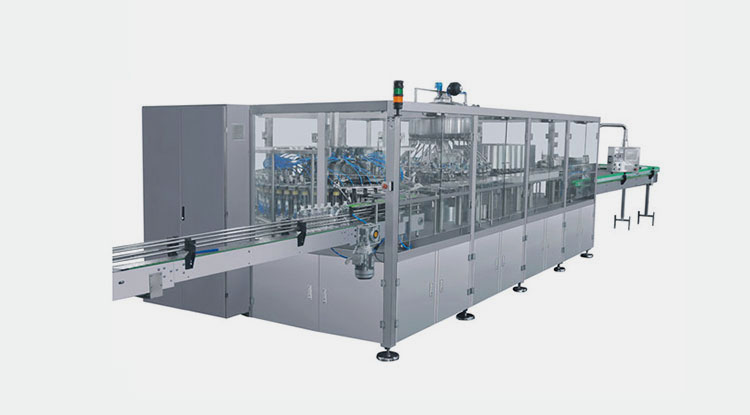
Production of small volume parenteral (SVP) is a series of interconnected sets of machines. They instantly packaged small volume parenteral (SVP) in small ampoules and vials. The steps in a small volume parenteral (SVP) production line are:
Ampoule BFS (Blow-Fill-Seal) Machine SVP (Small Volume Parenteral) Production Line
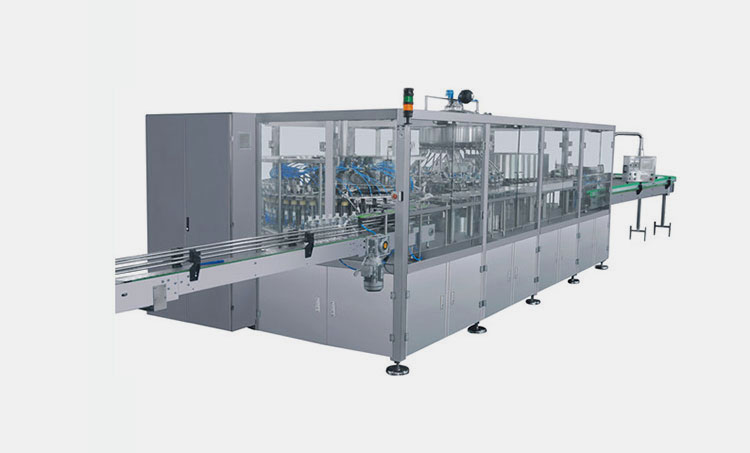
Aipak Engineering Plastic Ampoule BFS (Blow-Fill-Seal) Machine SVP (Small Volume Parenteral) Production Line
| Extrusion | At the start of the production line, a heating station is present in which plastic granules are strongly heated to high temperatures. This molten plastic is shaped into a hollow tube known as parison by the process of extrusion. |
| Molding | After extrusion, the molding step occurs in which specially constructed molds are closed over the parison, and gas is fed into these molds to blow the parison against walls of molds and to form the required dimension container like ampoules |
| Filling | After the formation of containers, the next step is filling which occurs through specially designed filling nozzles. These filling nozzles are placed in the opening of the container and load aseptic small volume parenteral (SVP) formulation inside the container. |
| Sealing | It is a very crucial step for sterility of the small volume parenteral (SVP). At this stage, heated sealing bars enclose the mouth of the container and seal the opening of vials and ampoules. |
11.What are the Quality Control Tests for Small Volume Parenteral (SVP)?
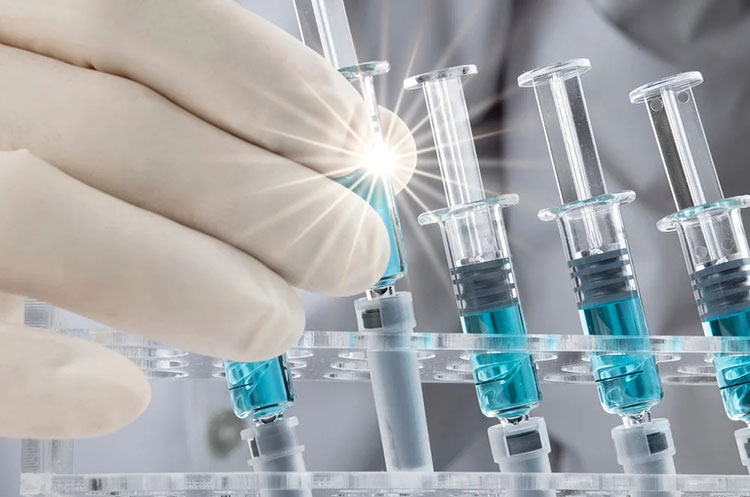
Quality Control Tests for Small Volume Parenteral (SVP)- Picture Courtesy: LinkedIn
A demanding quality control testing is needed to ascertain the quality, safety, and efficacy of manufactured small volume parenteral (SVP). These quality control tests are carried out at each stage of preparing and packaging small volume parenteral (SVP). These quality tests are:
| Leakage Test | This test is conducted to verify any breach or leakage in the container due to breaks and cracks. This test checks the integrity of the small volume parenteral (SVP) container. Leakage tests are performed using bubble tests, dye tests, etc. |
| Clarity Test | This test is performed to check the presence of visible particulates in the container. This test is performed visually or by using light obscuration equipment. |
| pH Test | It is one of the most essential tests that ascertains the compatibility between the pH of preparation and body tissues. It measures the pH to check whether small volume parenteral (SVP) is acidic or basic. |
| Sterility Test | It is performed at specific stages during the production to verify the absence of microbes in the small volume parenteral (SVP). This test is also carried out after the small volume parenteral (SVP) preparation is packed. |
| Pyrogen Test | It is performed to check the absence of fever-causing agents in small volume parenteral (SVP) formulation. |
| Volume Measurement Test | It is performed at the end of the filling of small volume parenteral (SVP) to verify whether the volume is in the required range. It ensures dose accuracy of small volume parenteral (SVP). |
| Container Closure Test | It is performed after sealing the container. It checks whether the container is completely sealed and also whether seals can survive transportation and shipment. |
| Label Accuracy Test | It checks if the container is correctly labelled and has essential information like expiry date, product type, name, dose, ingredients, etc. written on the label. |
12.What To Know When Entering Small Volume Parenteral (SVP) Business?
Starting the small volume parenteral (SVP) business requires careful planning and a complete understanding of the complicated world of small volume parenteral (SVP). Before diving down, first read some tips that will aid you in starting a profitable business.
Market Research

Market Research
Start your journey by methodically knowing the current small volume parenteral (SVP) landscape. Research your competitors and identify the gaps in current manufacturing practices of small volume parenteral (SVP). You can start your business by narrowing these gaps and meeting unfulfilled market needs.
Product Type
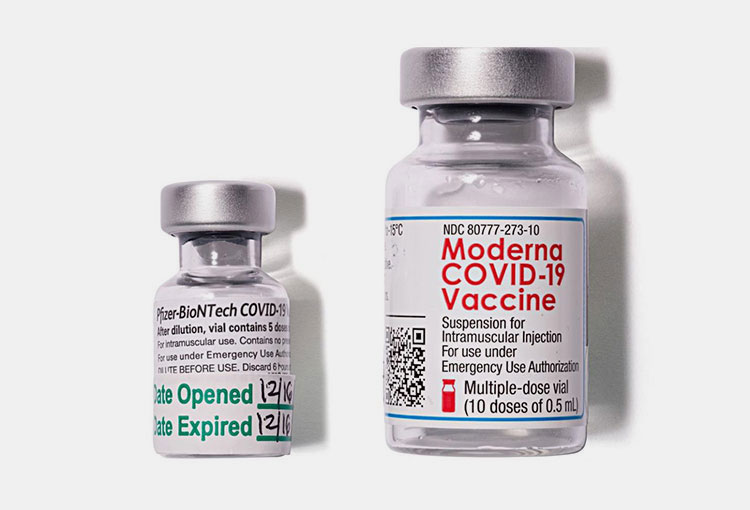
Product Type- Picture Courtesy: CNN
After market analysis, next, select your product niche. What therapeutic area within small volume parenteral (SVP) will you specialize in? It could belong to any therapeutic area like immunological or anti-infective.
Container Type
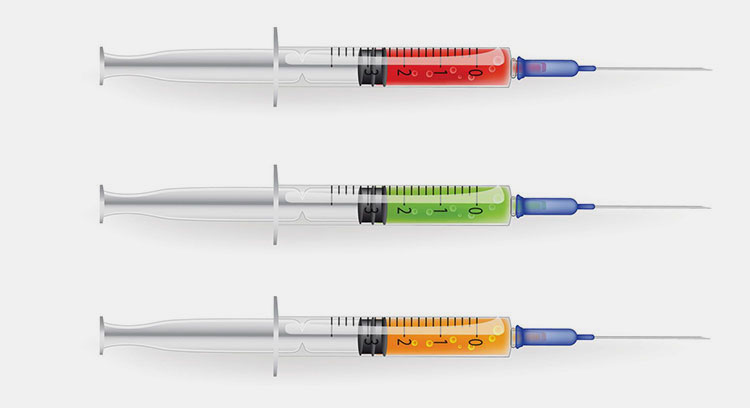
Container Type- Picture Courtesy: PharmaTech
Afterwards, choose your required container type. It can be prefilled syringes or mini-infusion bags. Every container type has its pros and cons, so carefully choose a container that stands a chance of bringing you the most profit.
Facility Development

Aipak Engineering Clean Room
Develop a dedicated processing facility that complies with good manufacturing regulations (GMP) regulation. This will require a cleanroom working environment with aseptic processing to reduce the contamination risk.
Innovative Equipment
Aipak Engineering Plastic Ampoule BFS (Blow-Fill-Seal) Machine SVP (Small Volume Parenteral) Production Line
After establishing the facility, the next step is the procurement of innovative equipment that complies with all the regulatory requirements like FDA, CE, and ISO. This equipment should have laminar airflow hoods and isolators to restrict access to the machine to avoid contamination. As, this equipment will process, fill, and seal small volume parenteral (SVP), it is essential to buy this equipment from established companies.
Investment

Investment
Last but not least, calculate and estimate your upfront investment. These businesses require substantial investment, so seek capital from potential stockholders and explore credit possibilities to back your endeavour.
Conclusion
To put it in a nutshell, small volume parenteral (SVP) is an advancement in modern medical science. It is usually used in emergency and regular situations. Small volume parenteral (SVP) cures many infectious and chronic diseases. The demand for these medical infections is all-time high, due to high disease rates. Thus, starting this small volume parenteral (SVP) business is highly profitable as it meets the unmet medical needs. If you have started your business and need a small volume parenteral (SVP) production line then contact Aipak Engineering, because we will high quality and affordable machines.
Don't forget to share this post!
CONTACT US
Tell us your raw material and project budget to get quotations within 24 hours.
WhatsApp Us: +86 181 7101 8586
 Tell us your material or budget, we'll reply you ASAP within 24 hours