
Syrup Filling Production Line Configuration: Handling High-Viscosity Liquids with Precision
Are you struggling with sticky syrups slowing down your production? Thick liquids often cause clogs and uneven fills. I will show you how to solve these frustrating issues today.
To configure a syrup filling line for high-viscosity liquids, you need a piston or servo-driven pump filler, a heating jacket for temperature control, and automated capping systems. These elements ensure accurate dosing, prevent clogging, and maintain smooth flow throughout the production process.
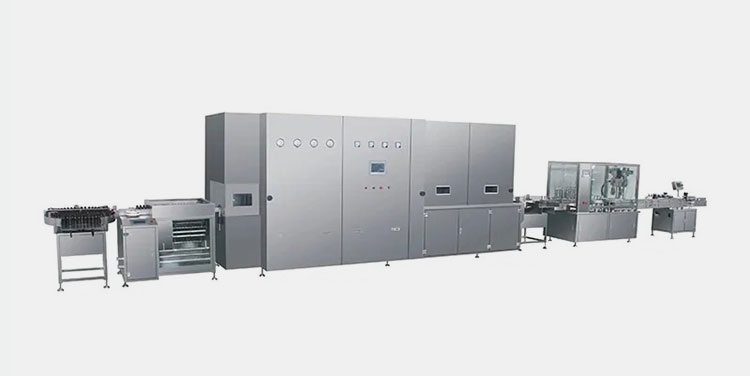
Syrup filling production line
If you do not set up your syrup line correctly, you will waste expensive products and face constant machine breakdowns. Let us explore the exact steps to build a reliable and precise system that keeps your production running without stopping.
1.What Are the Main Challenges in Filling High-Viscosity Syrups?
Thick syrups can block your pipes and ruin your batch accuracy. Dealing with bubbles and drips causes huge delays. We must identify these problems before they stop your line.
The main challenges in filling high-viscosity syrups include product dripping, trapped air bubbles, inconsistent fill volumes, and pump clogging. Thick liquids resist flow, which makes it hard to achieve high-speed production without the right pressure and temperature controls in place.
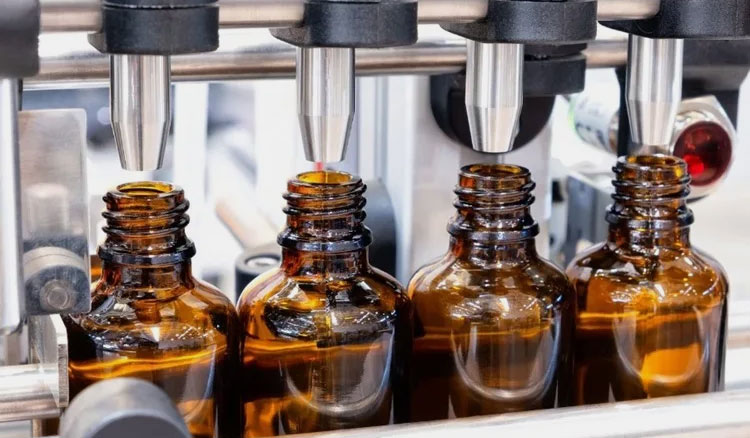
Challenges in syrup filling process
I have seen many clients struggle when they first try to bottle thick medical syrups. Over my 15 years at AIPAK ENGINEERING, I visited a factory where the owner was very upset. He lost hundreds of bottles daily because syrup kept dripping onto the bottle threads. We must break down these challenges to understand them better.
Dripping and Stringing
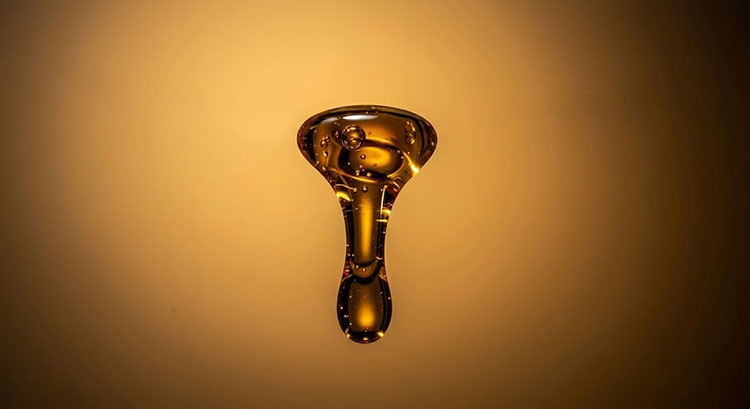
Thick liquids tend to form strings when the nozzle pulls away from the bottle. This makes the bottles sticky and ruins the labels. You need anti-drip nozzles to cut the liquid flow sharply. If you do not fix this, your packaging will look dirty and unprofessional.
Air Bubbles
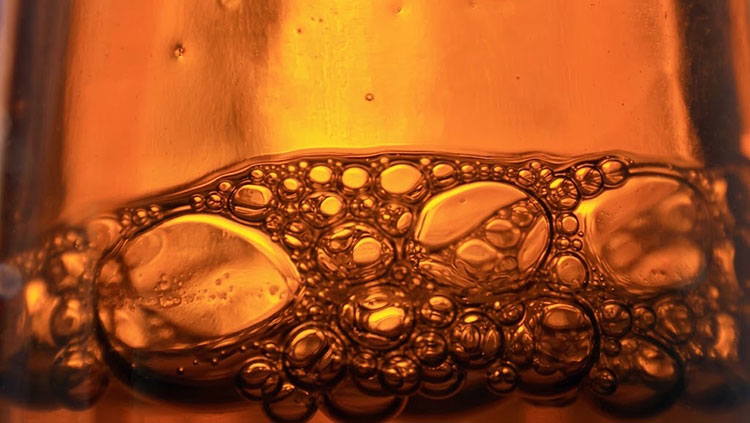
When you pump thick syrups too fast, air gets trapped inside the liquid. This changes the volume of the product. The bottle looks full, but the actual weight is wrong. This causes big problems with quality control.
Component Wear

Sticky products put extra stress on moving parts. If you use the wrong pump, the motor will work too hard and burn out quickly.
Here is a breakdown of the common issues and their impacts on your business:
| Challenge | Cause | Production Impact |
| Dripping | Slow liquid cutoff | Messy bottles, wasted product |
| Bubbles | Fast pumping, poor nozzle design | Inaccurate dosing, bad appearance |
| Clogging | Cold temperatures, narrow pipes | Machine downtime, broken pumps |
2.How Do You Choose the Right Filling Machine for Syrups?
Picking the wrong filler means endless maintenance and poor accuracy. You waste money on machines that cannot handle thick liquids. Let us find the exact equipment you need.
To choose the right filling machine for syrups, select a servo-driven piston filler or a lobe pump filler. These machines handle high-viscosity liquids easily by using mechanical force to push the exact amount of thick syrup into the bottle without relying on gravity.
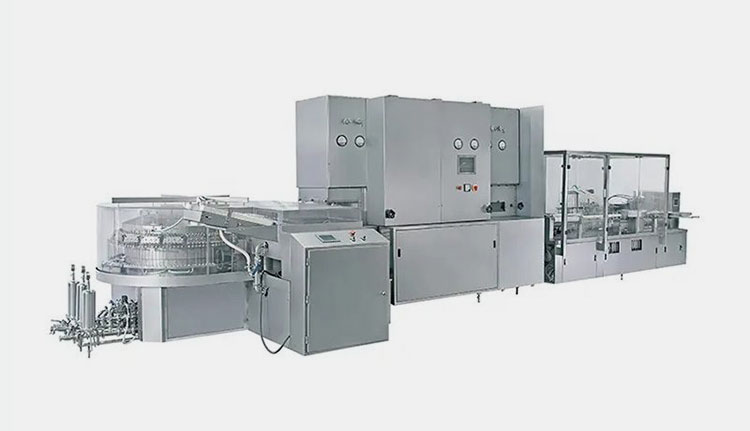
Choosing the right syrup filling machine
When I help a pharmaceutical client design a new line, the filling mechanism is always our first focus. I always ask my clients about their specific syrup formula first. You cannot use a standard gravity filler for syrups. Gravity is simply too weak to pull thick liquids through a nozzle quickly.
Piston Fillers
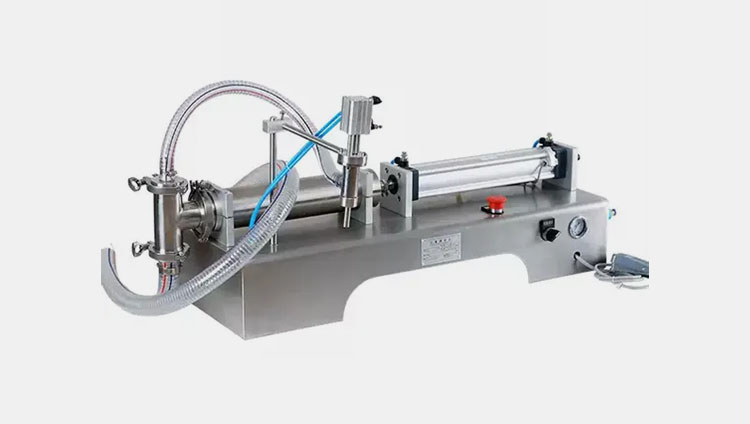
This is the most common choice for syrups. A piston pulls the syrup into a cylinder and then pushes it out into the bottle. It is highly accurate. We often use servo motors for the pistons. This allows you to control the speed perfectly. You can start fast and slow down at the end to prevent splashing.
Lobe Pumps
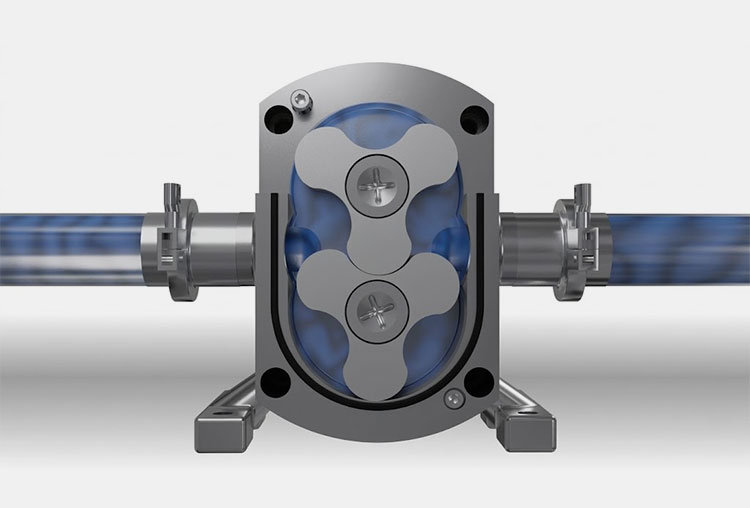
If your syrup has small particles, like certain herbal extracts, a lobe pump is great. It moves the thick liquid gently without crushing the ingredients. It is very easy to clean as well.
Peristaltic Pumps
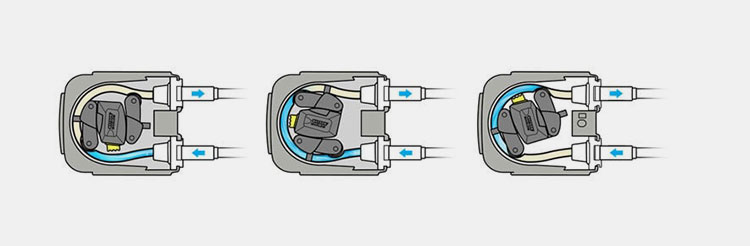
For very small, highly sterile syrup batches, peristaltic pumps work well. The liquid only touches the tube. But they are slower for very thick liquids.
Let us compare these options so you can make a good choice:
| Filler Type | Best For | Accuracy | Speed |
| Piston Filler | Thick syrups, pastes | Very High | High |
| Lobe Pump | Syrups with particles | High | Medium |
| Gravity Filler | Water-like liquids | Low (for syrups) | Very Low |
3.Why Is Temperature Control Crucial in a Syrup Filling Line?
Cold syrups become as hard as glue. This breaks pumps and stops your production entirely. You must manage the temperature to keep the liquid flowing smoothly.
Temperature control is crucial because heating a high-viscosity syrup lowers its thickness. A heated hopper and double-jacketed pipes keep the liquid warm and flowing freely. This ensures accurate fill volumes, prevents pump damage, and speeds up the entire packaging process.
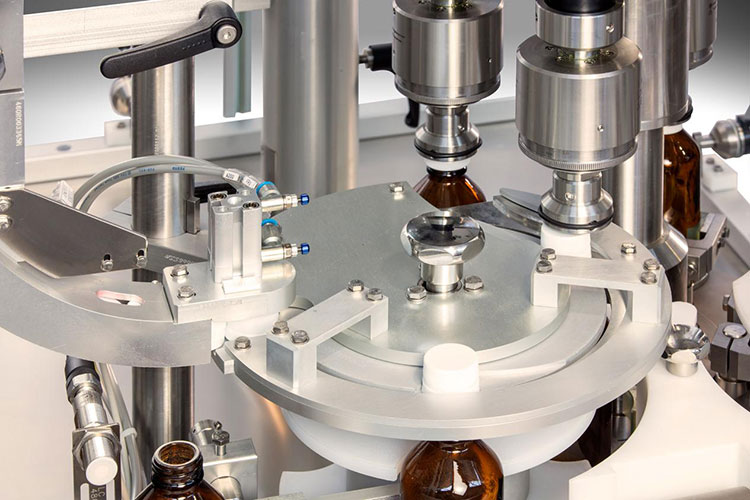
Temperature control in syrup filling
I want to share a story about a winter project. A client's factory had no central heating. Their syrup turned into a solid block inside the machine hopper. The machine made a loud noise and stopped.We had to halt everything and install heating jackets immediately. This taught me a valuable lesson about temperature.
Viscosity and Heat
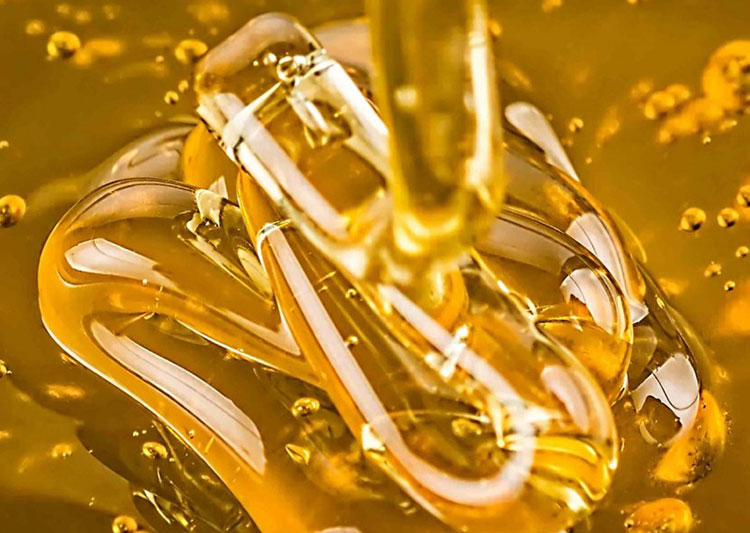
Viscosity measures how thick a liquid is. When you heat a syrup, its viscosity drops. It acts more like water. This makes it much easier for the machine to pump. You save energy and protect your motors.
Heated Hoppers
You must equip your filling machine with a double-layered hopper. We circulate hot water or oil between the layers. This keeps the syrup at a steady temperature before it enters the bottles.
Heated Hoses and Nozzles
The journey from the hopper to the bottle is critical. If the pipes are cold, the syrup will slow down and clog the system. Heated hoses solve this problem.
Here is how temperature affects production:
| Component | Function | Benefit |
| Heated Hopper | Stores warm syrup | Prevents solidifying at the start |
| Jacketed Pipes | Keeps liquid warm in transit | Maintains high flow speed |
| Heated Nozzles | Warms the final exit point | Stops dripping and stringing |
4.How Can You Integrate Capping and Labeling in Your Syrup Line?
Hand-capping bottles is slow and leads to loose seals. Messy labels make your brand look cheap. You need a fully connected line to ensure perfect final products.
You integrate capping and labeling by connecting automated rotary cappers and pressure-sensitive labelers directly to the filling conveyor. Sensors track each bottle to ensure the caps are tightened to the correct torque and labels are applied smoothly without wrinkles.
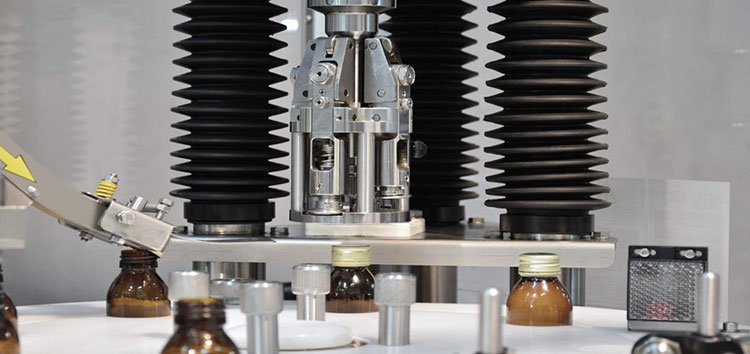
Capping and labeling machines for syrup bottles
A filling machine alone does not make a production line. During a recent installation in Europe, our client realized their old capper could not keep up with our new high-speed filler. Bottles piled up and spilled everywhere. We had to upgrade their capping and labeling units to match the new speed.
Automated Capping Systems
Syrup bottles usually use screw caps or child-resistant closures. You need a rotary capping machine with magnetic torque control. This ensures every cap is tight enough to prevent leaks. But it also makes sure the cap is not so tight that the customer cannot open it.
Labeling Thick Bottles
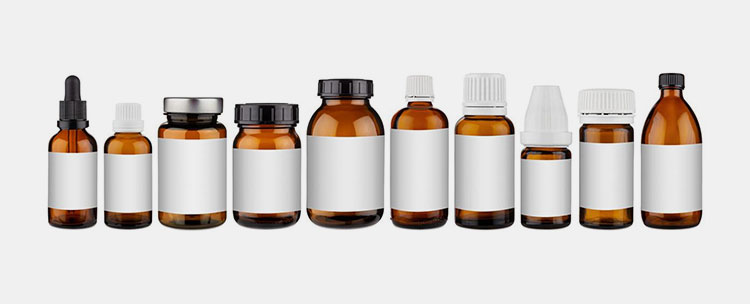
Syrup bottles are often round glass or plastic. A wrap-around labeling machine works best. You must ensure the bottle is completely dry before labeling. Syrup spills can prevent the label from sticking.
Conveyor Synchronization

All machines must talk to each other. We use a central PLC control system. This matches the speeds of the filler, capper, and labeler.
Integration check points for your line:
| Machine | Key Feature | Goal |
| Capper | Torque control | Prevent leaks and loose caps |
| Labeler | Wrap-around belt | Smooth, wrinkle-free labels |
| Conveyor | Speed sensors | Prevent bottle jams and spills |
5.What GMP Compliance Features Should Your Syrup Line Have?
Failing an inspection will shut down your business. Dirty machines contaminate your health products. You must build your line to meet strict industry standards from day one.
Your syrup line must feature 316L stainless steel contact parts, sanitary tri-clamp connections, and CIP (Clean-in-Place) systems to meet GMP compliance. These features prevent cross-contamination, allow for easy daily cleaning, and ensure that your pharmaceutical or nutraceutical products remain safe.
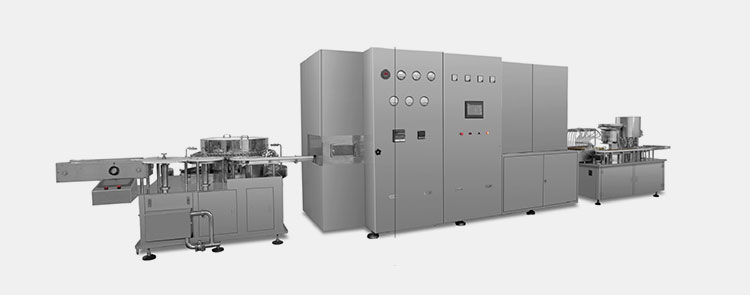
Gmp compliant syrup production line
At AIPAK ENGINEERING, we build machines for large global pharmaceutical and nutraceutical brands. I always tell my clients that GMP (Good Manufacturing Practice) is not optional. It is the law. Once, a new client tried to use a cheap food-grade filler for a medical syrup to save money. They failed their health audit and had to replace the entire line.
Material Selection
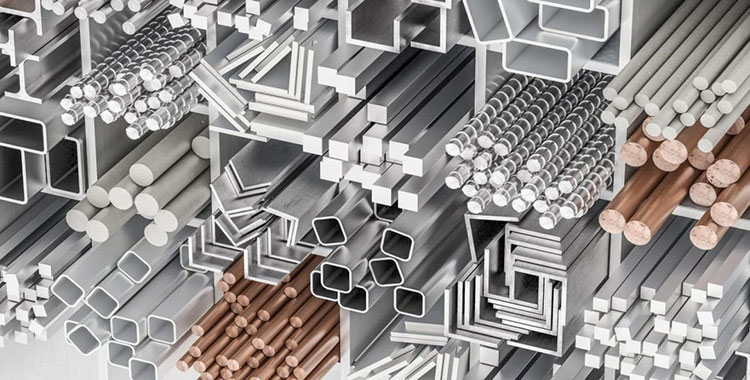
Every part that touches the syrup must be made of 316L stainless steel. This metal resists rust and does not react with medical ingredients. The outside frame can be 304 stainless steel.
Easy Cleaning
Thick syrups leave a sticky residue everywhere. Your machine needs a Clean-in-Place (CIP) system. This allows you to pump hot water and cleaning chemicals through the pipes without taking the machine apart. It saves hours of manual labor.
Dust and Air Control
You should enclose the filling area with a glass or acrylic shield. This stops dust and insects from falling into the open bottles.
Essential GMP features you need:
| Feature | Material / Method | Purpose |
| Contact Parts | 316L Stainless Steel | Prevent chemical reactions |
| Pipe Joints | Sanitary Tri-clamps | No hidden spots for bacteria |
| Cleaning | Automated CIP | Fast and thorough washing |
Conclusion
Configuring a syrup filling line requires the right piston filler, proper heating systems, and GMP-compliant materials. These steps ensure your high-viscosity liquids are packaged accurately, safely, and efficiently. Struggling with slow fill rates or messy dripping on your syrup line? Don't let viscosity hinder your productivity. Click here to consult AIPAK ENGINEERING’s liquid handling experts for a Free Production Flow Audit and a customized High-Viscosity Filling Solution today!
Don't forget to share this post!
CONTACT US
Tell us your raw material and project budget to get quotations within 24 hours.
WhatsApp Us: +86 181 6426 8586
 Tell us your material or budget, we'll reply you ASAP within 24 hours